An aluminum driveway gate becomes automation-ready when its frame, hinges, and posts are built to carry motorized weight and repeated cycling. This guide breaks down swing versus slide gate types, bracing, power access, and safety sensors buyers should check before adding an opener. It also explains why gate construction quality matters more than the opener brand itself.
Homeowners in the Greater New Orleans area often ask whether their aluminum fence can handle motorized entry before they call an installer. An automatic gate opener aluminum fence pairing works well, but only when the gate itself is engineered for the added stress. A lightweight decorative gate built for looks alone can bend, sag, or pull loose from its posts once a motor starts pushing and pulling it dozens of times a day. Before shopping for an opener, it helps to understand what “automation-ready” actually means for an aluminum driveway gate.
This guide walks through the four things that decide whether a gate can be automated safely: gate type, bracing, power access, and safety sensors. It also explains why the underlying gate build matters as much as the opener itself. For a look at the full range of gate and fence options available locally, visit the homepage.
Buyers who already own an aluminum fence sometimes assume any opener will fit their existing gate. That assumption causes most of the early failures installers see on service calls. Reviewing these factors first saves a homeowner both money and a second trip to the driveway.
Local driveways in the New Orleans area also bring extra variables into the decision, including uneven ground, tight lot lines, and salt air near the lake and river. An opener that works fine in a dry inland climate may need different sealing and mounting hardware here. Talking through these conditions with a gate builder before ordering equipment avoids mismatched parts later.
An aluminum driveway gate is automation-ready when its frame uses heavier-gauge aluminum, welded or reinforced joints, and posts set deep enough in concrete to resist the pull of a motor. Gates built only for pedestrian traffic or a light breeze rarely meet this bar. A motor adds repeated mechanical stress that decorative gates were never designed to absorb. Confirming these details before ordering an opener prevents early failure and costly rework.
Buyers weighing material choice altogether should also compare aluminum against wrought iron, since both handle automation differently.
Swing gates suit driveways with open space on either side, while slide gates work better on sloped or narrow driveways where a swinging arc would not clear the ground. Swing gate operators mount to the gate post and push or pull the panel through its arc. Slide operators run along a track or use a cantilever system that keeps the gate off the ground. The right choice depends on driveway width, slope, and how much clearance sits on both sides of the opening.
| Gate Type | Best For | Ground Clearance Needed |
|---|---|---|
| Swing | Wide, flat driveways | Full arc on both sides |
| Slide | Narrow or sloped driveways | Straight track along one side |
Homeowners who want an aluminum gate sized correctly for either system should start with the residential aluminum fencing options built for driveway use.
Ready to find out if your current gate qualifies for automation? A quick measurement and photo review can answer that question before any equipment gets ordered. If the goal is simply better hinges, latches, or a stronger handle rather than a full motor system, the gate hardware and accessories guide covers that upgrade path separately.
An automated aluminum gate needs corner bracing, reinforced hinge points, and a rigid frame that will not twist when a motor applies force at one edge. Diagonal braces inside the frame keep the panel square and prevent racking under repeated motion. Hinges rated for motorized use hold up better than standard pedestrian hardware. Posts also need concrete footings sized for the added load, not just the gate’s static weight.
Gates built with this bracing from the start tend to last longer under daily motor cycling. A well-built aluminum fence holds up season after season in this climate the same way. A gate that flexes even slightly under hand pressure will flex far more once a motor takes over. Testing this before automation is a simple way to catch a weak frame early.
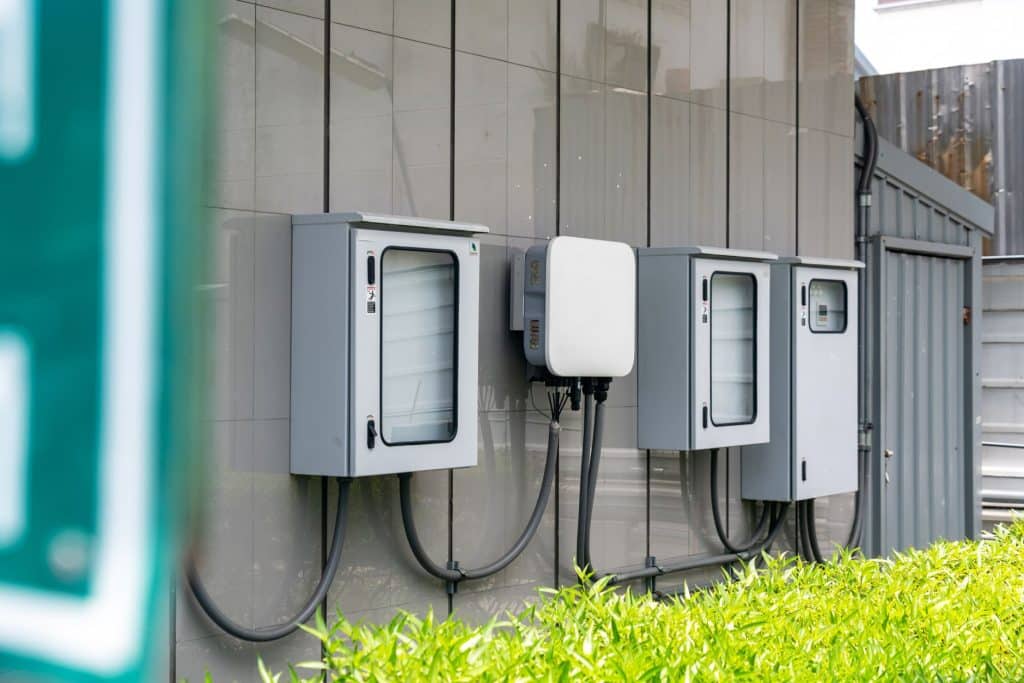
Power and wiring access should be planned before the gate goes in. Conduit run underground from a power source to the gate post keeps wiring protected from weather and lawn equipment. Louisiana’s humidity and heavy rain make exposed wiring a fast path to corrosion and shorts. A licensed electrician typically handles the final power hookup. Planning conduit routes during fence layout avoids trenching through finished yard work later.
Storm season adds another layer to this planning, since gates and their wiring both need to hold up through wind and heavy rain. Buried conduit rated for wet locations costs less to install upfront than repairing exposed wiring after a single tropical storm. Homeowners planning automation should ask their installer where the conduit run will sit relative to drainage and sprinkler lines.
Photo-eye sensors, edge sensors, and an auto-reverse function are the safety features that matter most, since they stop or reverse the gate when something blocks its path. These features protect vehicles, pets, and children from an unattended gate that keeps moving. Local codes and manufacturer guidelines typically require at least one sensor type. A gate installer familiar with automated systems can point out which combination fits a specific driveway.
Property owners weighing a do-it-yourself install against hiring a professional for this stage should note that sensor wiring and calibration are usually where DIY attempts run into trouble. A misaligned photo-eye sensor can fail silently, which means the gate looks fine until it does not stop for a car or a pet. Testing every sensor after installation, and again after any storm, keeps the system working as intended.
Gate design and construction matter before automation because a poorly built gate will strain, sag, or fail under motorized use no matter how good the opener is. Big Easy Fence Supply builds aluminum and wrought iron driveway gates with framing and hardware suited to long-term automated use. Buyers who plan to automate later benefit from mentioning that upfront during the design stage. A gate built with future automation in mind avoids retrofitting costs down the road.
Commercial properties have their own load and cycling demands, and the commercial aluminum fencing line covers gates built for that higher-traffic use.
A driveway gate that is built right the first time saves money on repairs, handles daily motor cycling without sagging, and keeps a household or business running on schedule. Checking gate type, bracing, power access, and safety sensors before automation turns a guessing game into a short checklist. Big Easy Fence Supply designs and builds aluminum and wrought iron gates around these standards for properties across Greater New Orleans.
Not every aluminum gate is built for motorized use. Big Easy Fence Supply checks frame gauge, hinge type, and post depth before recommending automation for a driveway gate in the Greater New Orleans area. Gates built for pedestrian traffic usually need reinforcement first.
A swing gate opener pushes or pulls a hinged panel through an arc, while a slide gate opener moves the gate horizontally along a track or cantilever system. Slide systems suit narrow or sloped driveways in New Orleans where a swinging arc would not clear the ground. Swing systems work well on wider, flatter lots.
Yes, most automated gate installations need a licensed electrician for the final power hookup. Louisiana’s wiring codes and humid climate make proper conduit and grounding necessary for safety. A fence installer typically handles the gate structure while the electrician handles the power connection.
An automated aluminum gate needs diagonal corner bracing, reinforced hinge points, and posts set in concrete footings sized for motorized load. Without this bracing, a gate can twist or sag within a year of daily motor use. A qualified fabricator builds this bracing into the frame during fabrication.
Most automated driveway gates should include photo-eye sensors and an auto-reverse function that stops the gate when it detects an obstruction. Edge sensors add another layer of protection along the gate’s leading edge. These features protect vehicles and pedestrians in busy New Orleans driveways.
We design and build aluminum and wrought iron gate structures that are compatible with electric openers, and can discuss automation-ready framing during a project consultation. Installation of the opener itself is typically handled by a gate automation specialist or electrician. Ask about compatible gate design during a call to 504-608-7730.
A gate built for automation from the start saves money and headaches down the road. Talk through your driveway layout, gate type, and structural needs before you order an opener.
Call 504-608-7730 or contact us online.
Fence financing New Orleans homeowners use lets you install a new aluminum or wrought iron fence now and pay for it over several payments instead of one lump sum. A pay-later program can move a fence project up on the calendar without draining savings meant for other expenses. This guide covers why homeowners finance a fence, what to budget for, and how the application process typically works.
Paying for a new fence often means one of the biggest single home expenses many families face, right alongside a roof or a water heater. Fence financing New Orleans homeowners rely on breaks that expense into smaller payments so a fence doesn’t have to wait for a bonus check or a tax refund. Visit the homepage to see the aluminum and wrought iron styles available before you start planning a budget.
Big Easy Fence Supply built its Fence Now, Pay Later program around this exact problem. Families want a fence up before summer storms, a pool goes in, or a dog moves in, not eighteen months after saving the full amount. Some properties also need a fence permit before installation, and that cost is worth folding into your financing request from the start. Below is a plain-language look at why homeowners finance a fence, what to budget for, and how the payment process typically works.
Homeowners finance a fence project because a full aluminum or wrought iron installation is a large upfront cost. Spreading that cost over time frees up cash for other home expenses or emergencies. Financing also lets a family install now, while material and labor pricing is locked in, instead of waiting months to save the full amount.
A new aluminum fence adds privacy, keeps kids and pets contained, and boosts curb appeal. None of that helps if the project sits on a wish list for a year. Storm season, a new pool, or a home sale timeline can all push a fence project from someday to now. Paying in installments means a family doesn’t have to drain savings meant for other priorities. It also protects against rising material costs, since the fence gets installed at today’s price instead of next year’s. For many homeowners, the choice comes down to a simple trade-off. Pay a set amount every month, or keep waiting while the yard stays unfenced and the family works around it.
Budgeting for a fence project means accounting for materials, labor, gate hardware, and in some cases a city permit fee, not just the per-foot price of fencing. Property size, fence height, and whether you choose aluminum or wrought iron all affect the total. Getting an accurate estimate before you apply for financing helps you request the right amount.
Start by measuring the perimeter you want fenced and deciding on a height that fits your neighborhood’s rules. A guide to estimating fence materials can help you avoid ordering too little or too much before a project starts. Gate hardware, corner posts, and site prep add to the total too, so ask for a full written estimate rather than a rough per-foot number.
Typical line items to budget for include:
A written estimate is the fastest way to see what a Fence Now, Pay Later plan would actually cover for your property. Request one before you commit to a material or a payment schedule.
Fence Now, Pay Later lets qualified customers get a wrought iron fence or aluminum fence installed first and pay for it over time instead of covering the full invoice upfront. The program is built into how Big Easy Fence Supply quotes and schedules projects, so financing is part of the same conversation as material selection and installation timing.
After you request a quote, ask about payment options during that same call or site visit. The team can walk through what flexible payment options are available for your project size and material choice. Because exact terms and qualification details depend on the individual project, the most accurate numbers come from a direct conversation with the team rather than a single published rate.
Ordering the right materials matters just as much as financing the total cost. A look at how fence supplies get ordered in New Orleans shows how the quote, materials, and installation schedule fit together once financing is approved.
After you apply, expect a review of your project details and a decision on payment terms before installation is scheduled. Most homeowners find out their options quickly, and once approved, the fence installation moves forward on the same timeline as a cash-pay project, not a delayed one.
Applying doesn’t change how the project itself runs. Crews still measure the property, confirm the design, and order materials the same way they would for any job. The only difference is how the invoice gets settled once work is complete. Comparing DIY versus professional installation is worth doing early, since labor cost is part of what financing covers and affects the total amount financed.
Reach out before your project’s peak season to lock in a schedule slot along with a payment plan that fits your budget.
Financing is often worth it when the alternative is delaying a fence for a year or more while saving up the full amount. This math works especially well with a durable material like aluminum or wrought iron that can last for decades. That calculation looks different for every household, so weigh the flexibility of monthly payments against the cost of waiting.
A fence that goes in now starts protecting a yard, containing pets, and adding curb appeal right away instead of next year. For homeowners weighing materials, a closer look at aluminum versus wrought iron costs can help decide which material fits the budget best, financed or not. Either option holds up well in Louisiana’s climate when installed correctly, so the bigger decision is usually about timing and budget rather than material durability alone. A short conversation about your project and your budget is usually enough to figure out which path makes the most sense for your property.
Fence Now, Pay Later is Big Easy Fence Supply’s financing program for New Orleans homeowners who want a new aluminum or wrought iron fence installed without paying the full cost upfront. It lets approved customers spread the project cost into payments instead of one lump sum.
Specific credit score requirements for the Fence Now, Pay Later program are not published, since qualification depends on each application. The best way to check eligibility is to apply directly through the Contact page or call 504-608-7730 to discuss your project.
Approval timelines vary by applicant and project size, so applying early in the planning process is worth doing. Most homeowners in the Greater New Orleans area find out their financing status quickly enough to keep their installation on schedule.
No. A financed fence installs on the same schedule as a project paid in full, since installation crews still measure, order materials, and install using the standard process across the Greater New Orleans area. Only the payment method changes, not the work itself.
Yes. Fence Now, Pay Later applies to both aluminum and wrought iron installations, whether the project is a small residential yard or a larger commercial property in Louisiana. Material choice does not limit financing eligibility on its own.
Homeowners can start a fence financing application through the Contact page at bigeasyfencesupply.com or by calling 504-608-7730 to speak with the team directly. Both options connect you with someone who can walk through project details and payment options.
A fence that’s paid for over time still protects a yard, adds curb appeal, and holds up through New Orleans weather the same as a fence paid for in full. The application process takes a few minutes, and installation timing doesn’t change based on how you pay. Waiting to save the full amount often costs more in the end, once material and labor pricing shift.
Big Easy Fence Supply installs aluminum and wrought iron fencing across the Greater New Orleans area and offers Fence Now, Pay Later financing to help projects move forward sooner.
Get a written estimate and ask about Fence Now, Pay Later financing for your aluminum or wrought iron project.
Call 504-608-7730 or contact us online.
Fence maintenance New Orleans homeowners can rely on breaks down into four seasonal checkups: spring hardware checks, summer cleaning, fall inspection, and winter touch-ups. Aluminum and wrought iron fences both hold up well in Louisiana weather when hinges, latches, and gate alignment get checked on a schedule. This calendar breaks the year into short tasks so no fence gets neglected until a repair bill shows up.
A fence maintenance New Orleans calendar does not need to be complicated. Four short checkups a year catch loose screws, sticking gates, and dirt buildup before they cause real damage. Aluminum and wrought iron both hold up better than most fencing materials in this climate, but neither is maintenance-free.
Twenty minutes per season, spent walking the fence line and testing hardware, prevents most of the repair calls homeowners end up making. A checklist turns a vague chore into a short list of specific tasks. Homeowners who want to see current aluminum and wrought iron styles can start on the homepage before working through the checklist below.
Louisiana humidity, salt air near the lake and river, and heavy seasonal rain wear down fence hardware faster than drier climates do, which means New Orleans fences typically need more frequent hardware checks than a general nationwide maintenance schedule from a drier region would suggest. Standing water around posts can loosen ground anchors over a few months. Wind from spring storms and hurricane season also tests gate alignment more than calm weather ever does.
For a deeper look at storm prep specifically, see our guide on getting aluminum fences ready for hurricane season. Checking a fence four times a year, once per season, matches how the weather actually changes here. Skipping a season usually means twice the work at the next one.
A seasonal fence maintenance calendar covers four short checkups a year, including spring hardware and hinge checks, summer cleaning and gate alignment work, fall inspection before storm season fully fades, and winter rust and paint touch-ups before spring rain returns. Each season takes less than an hour for an average residential fence. The table below breaks down what to check and why it matters.
| Season | Key Tasks | Why It Matters |
|---|---|---|
| Spring (Mar-May) | Check hinges, tighten loose screws, test gate swing | Winter moisture can loosen hardware |
| Summer (Jun-Aug) | Clean panels, check post stability, inspect latches | Heat and humidity peak, dirt builds up fast |
| Fall (Sep-Nov) | Inspect for storm damage, re-align gates, check welds | Hurricane season winds test every joint |
| Winter (Dec-Feb) | Touch up paint or coating, lubricate hinges, check for rust spots | Cooler, drier months are easiest for touch-up work |
Sticking to the same rough dates every year makes the habit easier to keep. Many homeowners tie spring checks to daylight saving time and fall checks to the tail end of hurricane season. Winter touch-ups fit naturally around the holidays, when yard work slows down anyway.
Wrought iron sections deserve a closer look each winter, since small rust spots are easiest to catch and treat before spring rain returns. Homeowners with residential wrought iron fencing should also watch hinge weight, since iron gates are heavier than aluminum ones. Small surface rust on a rail rarely means the whole panel needs replacing.
Our full guide on preventing wrought iron fence rust covers treatment steps in more detail, including which products work on painted versus bare iron. A quick sanding and touch-up coat usually stops early rust before it spreads. Waiting a full year to address it almost always costs more.
Hinges, latches, and gate alignment matter more than any other maintenance item, because a fence that swings and locks correctly protects pets, kids, and the property line, while sticking hardware often signals a larger problem developing somewhere underneath the surface. A gate that drags on the ground usually means a hinge has loosened or a post has shifted. Latches that stick can often be cleaned and lubricated in minutes.
Left alone, both problems get worse and start affecting the panels around them. A dragging gate puts uneven stress on the panel closest to the hinge side. Over a year or two, that stress can bend a panel that a simple hinge adjustment would have fixed.
For a full rundown of hinge types, latch styles, and installation basics, see our gate hardware and accessories guide. A dry silicone spray works well on most latches and hinges in this climate. Oil-based lubricants tend to attract dirt and grit, which can make sticking worse.
If a gate has been sticking for more than a season, it usually needs more than lubrication. Big Easy Fence Supply can inspect hinges, latches, and posts and repair what a homeowner cannot reach with a wrench alone. A short visit often catches a problem before it turns into a full panel replacement.
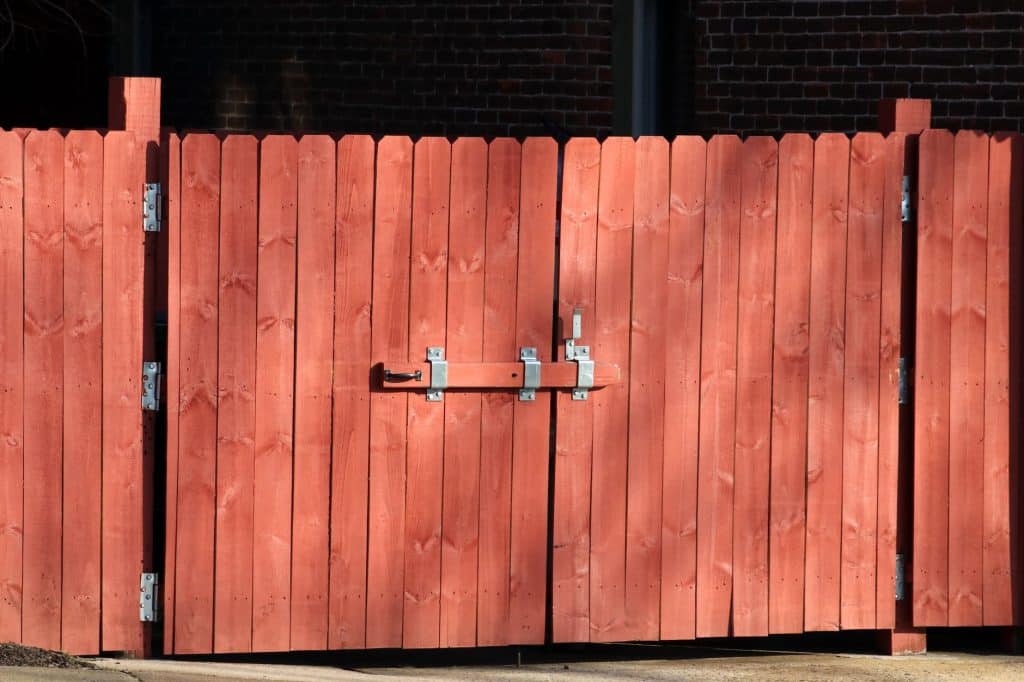
Both aluminum and wrought iron fences clean up well with mild soap, warm water, and a soft brush, and neither material needs pressure washing or harsh chemicals, since either one can strip the factory coating right off the panels. A garden hose rinse after cleaning removes soap residue and loose dirt. Homeowners near live oaks or heavy landscaping may need to rinse more often because of sap and leaf debris.
Cleaning twice a year keeps the finish looking close to new. Spring and late summer are the easiest times to fit this task in, since panels are dry and temperatures stay manageable. Homeowners comparing panel styles can review the residential aluminum fencing lineup for coating and finish details.
For extra tips on keeping a fence photo-ready year-round, see how to make a fence look nice. A soft-bristle brush avoids scratching factory finishes on both materials. Stiff wire brushes should stay off aluminum and painted wrought iron entirely.
A professional should get called when a gate no longer closes correctly, a post has visibly shifted, or rust has spread past the surface of a wrought iron rail, since these problems usually need tools and parts a typical toolbox does not have. Minor hardware tightening and cleaning are safe DIY tasks for most homeowners. Structural issues, though, tend to get worse and more expensive the longer they sit.
Fences well past their expected lifespan may need replacement instead of repair. Homeowners unsure whether a fence is due for repair or replacement can check our guide on how long aluminum fences typically last in New Orleans. A quick call often saves a homeowner from guessing whether a repair is still worth it.
A seasonal fence maintenance calendar takes little time and prevents most major repairs before they start. Spring and fall checks catch loosening hardware, summer cleaning keeps panels looking sharp, and winter touch-ups protect against rust before spring rain arrives. Big Easy Fence Supply installs and services both aluminum and wrought iron fencing across the New Orleans area, and the checklist above works as a standing yearly reminder.
Most homeowners in the New Orleans area should inspect hinges, latches, and posts four times a year, once per season. Louisiana humidity and storm activity wear down hardware faster than drier climates, so quarterly checks catch small problems early before repair bills add up.
A standard garden hose and soft brush clean aluminum fencing safely without damaging the powder-coat finish. Pressure washers set too high can chip or strip the coating, so most manufacturers recommend against using them on aluminum panels in Louisiana’s climate. Mild dish soap and warm water handle most dirt and pollen buildup.
A sagging gate usually means a hinge has loosened, a post has shifted, or the ground around Louisiana clay soil has settled unevenly. Tightening hardware early, before hurricane season winds add extra stress, usually prevents a full hinge or panel replacement later on.
Surface rust that has not broken through the metal can often be sanded and touched up at home. Rust that has spread past the coating on a Louisiana wrought iron rail, or that affects a weld, generally needs a professional repair.
Yes. A fence checked four times a year in New Orleans catches loose hardware and early rust before either one causes structural damage. Homeowners who skip seasonal checks tend to face larger repair bills after hurricane season or heavy spring rain.
Winter, from December through February, works best for paint and coating touch-ups on fences across the New Orleans area. Cooler, drier conditions during these months let touch-up coatings cure properly before spring humidity and rain return. Waiting until spring often means working around wet weather instead.
Big Easy Fence Supply can inspect hinges, latches, and posts on aluminum and wrought iron fencing anywhere in the Greater New Orleans area, backed by our 24-Hour Fence Replacement Guarantee.
Call 504-608-7730 or contact us online.
Aluminum and wrought iron fence installation in New Orleans usually takes one to five days on site. The full process from estimate to finished fence often runs two to six weeks. Linear footage, gate count, and permit timing are the biggest factors that stretch or shrink that window.
If you’re planning a project, a realistic fence installation timeline New Orleans homeowners can count on starts well before anyone touches a post hole digger. Most jobs move through four stages: estimate and measurement, material lead time, permit approval where required, and install day itself. Weather, soil conditions, and gate hardware can each add time to any of those stages.
A clear picture of each stage helps you set expectations with your household, your contractor, and anyone else who needs access to the yard during work. You can browse the full range of aluminum and wrought iron options on the Big Easy Fence Supply homepage before requesting a quote.
The rest of this guide breaks down what happens at each stage, how long install day usually runs based on fence length, and what tends to add extra days. Treat the numbers below as planning ranges rather than fixed promises.
A small side yard and a full perimeter around a commercial lot follow the same basic stages, just at different scales. Knowing the stages ahead of time makes it easier to spot a delay early instead of being surprised by it later.
Most residential aluminum or wrought iron fence installations take one to three days for the physical build. The entire process from first estimate to finished project spans two to six weeks in the New Orleans area. Small backyard projects under 100 linear feet often wrap install day in a single afternoon. Larger properties with 300 feet or more, multiple gates, or corner posts set in concrete need two to three full days on site. The table below breaks down rough timelines by project size so you can plan around them.
| Fence Length | Typical Install Days | Total Project Timeline |
|---|---|---|
| Under 100 linear feet | Half day to 1 day | 2-3 weeks |
| 100-250 linear feet | 1-2 days | 3-4 weeks |
| 250-400 linear feet | 2-3 days | 4-5 weeks |
| 400+ linear feet or commercial | 3-5 days | 5-6 weeks |
These ranges assume normal ground conditions and no permit delays. Rocky soil, buried utility lines, or old concrete footings from a previous fence can add a half day or more to any project. A corner lot with two street-facing sides usually takes longer than a simple rectangle, since crews have to account for extra sight-line and setback rules along each frontage.
Before any post goes into the ground, most projects move through a site visit, a written estimate, material ordering, and often a permit application. Together, these steps usually take two to four weeks. Big Easy Fence Supply measures the property, confirms gate placement, and reviews soil conditions during the first visit. Standard aluminum and wrought iron panels are often in stock, but custom heights, colors, or wrought iron scrollwork can add one to two weeks of lead time. If your property sits within city limits, check the local fence permit process before ordering materials.

Financing options like pay-later plans do not change the physical install timeline. They can, however, affect how quickly a homeowner signs off on the final estimate and locks in a crew date. The sooner materials get ordered, the sooner a start date lands on the calendar. That single step often determines whether a project finishes in three weeks or six.
Ready to see how your property measures up? Requesting a free estimate is the fastest way to get an installation window based on your actual fence length and gate count.
Install day length depends almost entirely on linear footage and gate count, with most residential jobs finishing in one to two days and larger commercial runs taking three to five. Crews dig and set posts first, which is the slowest part of the job. Once posts are set and cured, panel installation moves quickly, often covering 100 feet or more per day. Homeowners comparing residential aluminum fencing and residential wrought iron fencing should know that iron posts sometimes need extra curing time because of their weight.
Getting an accurate materials estimate before ordering keeps the schedule on track, since a mid-project reorder can add a week or more. Concrete footings also need time to cure before aluminum or wrought iron panels are attached. That’s why crews often split post-setting and panel work across separate days on larger jobs. Rushing that step can leave posts loose within the first year.
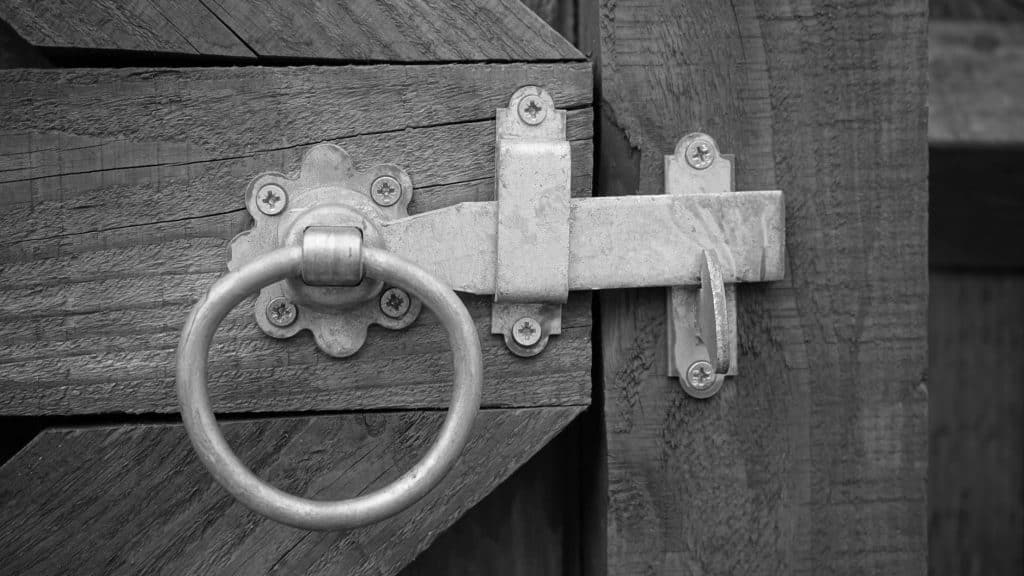
Gates, permits, wet soil, and hurricane season scheduling are the four factors most likely to extend a fence installation timeline beyond the standard estimate. Each gate typically adds two to four hours because hardware has to be leveled and tested. Permit review in some New Orleans parishes takes one to three weeks on its own. Heavy rain can push post-setting back by several days, since wet concrete does not cure properly. That risk matters most during hurricane season scheduling and on jobs with extra gate hardware and accessories to install.
Soil type plays a role too, since clay-heavy yards common around New Orleans can hold water for days after a storm. Crews sometimes wait for the ground to firm up before setting posts in low-lying areas. Building a small buffer into your expected start date, especially between June and November, keeps a single rainy week from derailing the whole schedule.
Have questions about how weather or permits might affect your project? Reach out to talk through a realistic schedule before you order materials.
Yes, in-stock aluminum panels through a Quick Ship program can cut several weeks off a standard fence installation timeline for homeowners who need a faster turnaround. Quick Ship works best for common heights and standard black finishes rather than custom colors or ornate wrought iron designs. Once materials are on hand, most crews can schedule install day within a week rather than a month. Knowing how to order fence supplies ahead of time also helps avoid last-minute delays.
Homeowners with flexible timelines who want a specific finish should still expect the full estimate-to-install window described above. Planning ahead, even by a few weeks, gives crews room to work around weather and permit reviews.
Most aluminum fence installations take one to three days on site, with the full process from estimate to completion running two to five weeks depending on material availability and permits in New Orleans.
Wrought iron installation usually takes about the same number of days as aluminum for the same footage, though custom wrought iron scrollwork panels can add one to two weeks of lead time before installation begins.
Many properties within New Orleans city limits require a fence permit, and processing can take one to three weeks depending on the parish. Checking early keeps your project on schedule.
Each gate typically adds two to four hours to install day in New Orleans because hardware needs leveling, testing, and adjustment. Multiple gates on a large property can add a full extra day.
Yes, heavy rain during hurricane season can delay post-setting because wet concrete does not cure properly. Crews in New Orleans often build a few extra buffer days into estimates between June and November.
Choosing in-stock aluminum panels through a Quick Ship option is the fastest route, often cutting several weeks off a standard fence installation timeline. Quick Ship works best for standard heights and finishes rather than custom wrought iron designs.
Understanding each stage of the process, from the first site visit through the final gate check, helps you plan your yard, your pets, and your schedule around installation day. Whether your project needs a single afternoon or a full week, Big Easy Fence Supply plans every step around your linear footage, gate count, and permit needs.
Request a free estimate and a realistic timeline based on your property.
Call 504-608-7730 or contact us online.
Louisiana pool barriers generally must stand at least 48 inches tall, use a gate that closes and latches on its own, and have no gaps or footholds a child could climb. Aluminum fencing meets these rules easily because its narrow pickets and flush post caps leave nothing to grip. A licensed installer can confirm the exact requirements your parish or city enforces before you sign off on a design.
A backyard pool brings years of family memories, but it also brings legal responsibility. Every pool owner in Louisiana must meet pool fence code Louisiana rules. These rules exist to keep young children away from open water when no adult is watching. They cover height, gate hardware, and how climbable the barrier is, whether the pool is new or already in the ground. Getting the barrier wrong is not just a safety risk. It can delay a final inspection or complicate a home sale. You can browse fencing options anytime on our homepage.
Most Louisiana parishes base their pool barrier rules on the International Swimming Pool and Spa Code, sometimes with local amendments layered on top. That code sets the baseline most inspectors check against, though enforcement can vary by jurisdiction. Confirm current local rules with your building department before finalizing a fence plan.
A compliant pool barrier fully encloses the pool area, stands tall enough to stop a small child from climbing over, uses a gate that shuts and locks itself, and stays free of horizontal rails, scrollwork, or footholds on the outside that a child could climb. Openings in the fence panels have to be small enough that a child cannot squeeze through. Inspectors check all three factors together, not just fence height alone.
Aluminum panel fencing tends to pass these checks without modification, since its vertical pickets are already spaced narrowly. Wrought iron shares that advantage, though its weight and detail suit some layouts better than others. Browse the residential aluminum lineup to see styles that meet these standards.
Pool barriers in Louisiana generally need to reach at least 48 inches, or four feet, measured from outside grade to the top of the fence, and that height requirement applies to the full perimeter around the pool, not just the sides facing the house. Day care facilities and shared-pool properties often face a taller five-foot standard, so check with your parish. Gaps under the fence matter too, since a child can slip under a barrier that clears the ground by several inches.
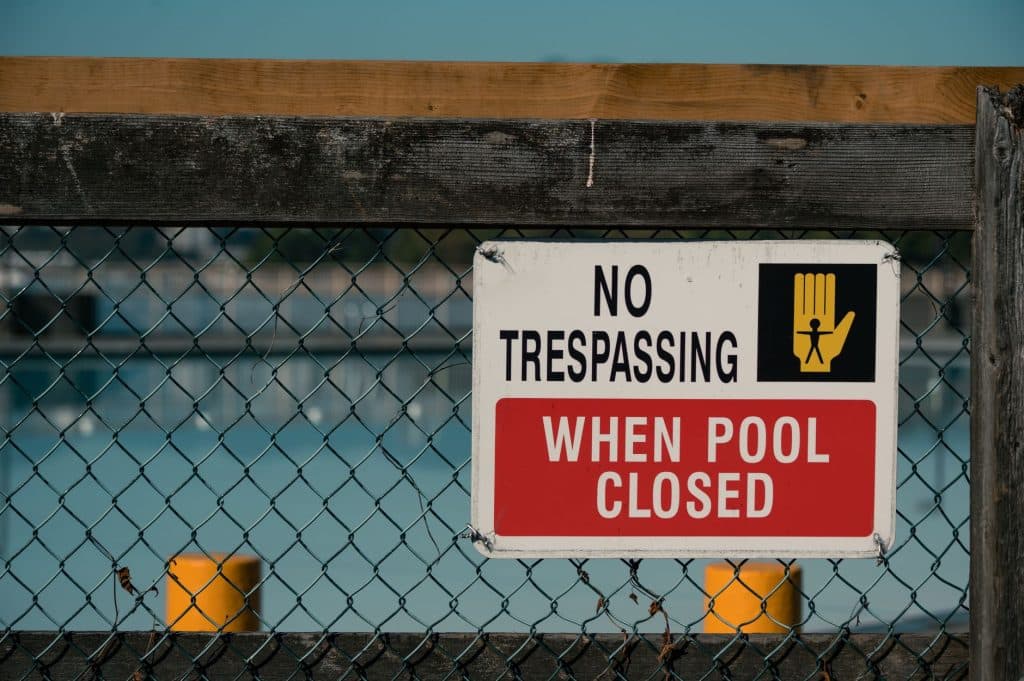
If your yard slopes, the fence height needs to hold steady at every point around the pool. A qualified installer measures grade changes before setting posts, which prevents low spots that fall short of code. Our guide on choosing the right fence height for Louisiana properties covers how these rules apply, including pool enclosures.
Here is a quick look at how the core pool barrier requirements typically break down:
Ready to see how these numbers translate into a real fence plan for your yard? Give our team a call to talk through your pool project.
A pool gate that closes and locks on its own removes the most common failure point in home pool safety, which happens when a gate gets left propped open during a busy pool day while kids run in and out near the water. Manual latches get forgotten too easily. Self-closing hinges and a spring-loaded latch mean the gate returns to a locked position every time, even if nobody checks it.
The gate should also swing away from the pool, so a child pushing on it cannot force it toward the water. Big Easy Fence Supply builds aluminum gates with self-closing hinges and child-resistant latches sized to match the fence line. Homeowners replacing an older gate often notice the aluminum version needs less adjustment over time.
Non-climbable design means the outside face of the fence has no horizontal bars, ledges, or decorative footholds spaced in a way that would let a determined child use them to climb over the barrier and reach the pool area unsupervised. Traditional fences with horizontal rails on the outside face often fail this test, since the rails act like a ladder. Aluminum fencing built for pool enclosures keeps horizontal rails on the pool-facing side, so nothing usable is exposed from outside.
Vertical picket spacing matters too, since gaps that are too wide let a child gain a toehold. Big Easy Fence Supply designs aluminum panels with picket spacing that meets this standard out of the box. Homes near open water should also read our piece on aluminum fences and hurricane season, which covers how the material holds up through Louisiana’s weather.
If your gate does not close on its own, that gap alone could put your pool out of compliance. Reach out to schedule an inspection.
The release mechanism for a pool gate latch should sit high enough on the gate that a small child cannot reach it, even while standing on the fence rail, climbing on nearby furniture, or reaching up from the pool deck below. Many jurisdictions want the latch release positioned near the top of the gate on the pool side. If the gate is shorter than the surrounding fence, the latch may need an extra shroud to block access from outside.
Placement is one of the details a DIY gate installation gets wrong most often, since it looks correct at a glance but fails a hands-on test. Comparing aluminum and wrought iron options can help homeowners weigh material choice against gate hardware needs. A trained installer sets the latch height and confirms it resists a child’s reach before signing off.
Gate hardware is not a one-time install either. Hinges and latches wear with daily use, salt air, and humidity. Our guide to gate hardware and accessories covers upgrades that keep a pool gate closing properly for years, including corrosion-resistant options.
Aluminum pool fencing typically holds its shape, color, and hardware performance for well over a decade around a pool, needing only light seasonal cleaning to keep hinges, latches, and panels working the way they did on the day of installation, even in salty coastal air. Aluminum will not rot, warp, or split from constant exposure to pool chemicals and humidity. Powder-coated finishes resist chipping and fading around an uncovered pool.
That durability keeps the barrier at code for longer, since a warped or sagging fence can drift out of compliance. See our breakdown of how long aluminum fencing lasts in New Orleans for more on local climate factors.
A code-compliant pool barrier protects the people you care about most, and it keeps your property in good standing with inspectors. Big Easy Fence Supply installs aluminum fencing built around height, gate, and non-climbable design requirements from day one.
Most Louisiana pool barriers need to reach at least 48 inches, or four feet, from outside grade to the top of the fence. Some day care and multi-household pools face a taller five-foot rule. A qualified installer can confirm the exact height your parish enforces.
Yes. Louisiana pool barrier rules call for gates that close and latch on their own, since a propped-open gate is one of the leading causes of backyard pool accidents. Big Easy Fence Supply fits aluminum gates with self-closing hinges built for this exact requirement.
An existing aluminum fence can often work if it already meets the height, spacing, and gate rules for a pool barrier in Louisiana. Older gates without self-closing hardware usually need an upgrade. A quick inspection from a licensed installer confirms whether your current fence passes.
A noncompliant pool fence can fail a building inspection, delay a certificate of occupancy, or create liability if a child gets hurt. Louisiana insurers and home buyers in New Orleans often ask for proof of a compliant barrier before closing on a sale.
Wrought iron can meet Louisiana pool barrier rules when the picket spacing, height, and gate hardware match the same standards required of aluminum. Many Garden District and Uptown homeowners choose wrought iron for its classic New Orleans look while still keeping the pool area secure.
Pricing depends on yard size, gate count, and material choice between aluminum and wrought iron. A Fence Now, Pay Later financing option is also available so New Orleans homeowners can get a compliant barrier installed without paying the full cost upfront.
Get a barrier built for real pool safety requirements, backed by our 24-Hour Fence Replacement Guarantee.
Call 504-608-7730 or contact us online.
Black, bronze, and white are the most common aluminum fence colors in New Orleans, since powder-coat finishes in these tones hold up best against Gulf Coast sun and humidity. Matte and satin finishes resist water spots and fading better than high-gloss coatings in this climate. The right choice usually matches a color already on the home, such as trim or brick.
Choosing aluminum fence colors New Orleans homeowners will still love in ten years takes more than picking a favorite shade off a chart. Powder-coat finishes on aluminum fencing hold up against heat, salt air, and heavy rain far longer than an ordinary painted surface. The right color also needs to match your home’s style, from a shotgun house in the Marigny to a raised cottage in Lakeview. This guide breaks down the color categories, finish types, and upkeep habits that keep a fence looking sharp through every Louisiana season.
Homeowners in New Orleans most often choose black, bronze, or white powder-coat finishes for their aluminum fencing, since these three tones fit the widest range of home styles and hold their color well through humid Gulf Coast summers and stormy winters. Black remains the top pick because it gives a fence the look of classic wrought iron without the upkeep. Bronze works well for brick homes and traditional facades, since it reads as warm rather than stark. White suits raised cottages, pool areas, and coastal-style homes that want a brighter, cleaner line. A smaller number of homeowners choose charcoal or dark green for a more custom look.
| Color Category | Best For | Overall Look |
|---|---|---|
| Black | Traditional and modern homes alike | Classic wrought-iron style |
| Bronze | Brick and warm-toned exteriors | Soft, understated contrast |
| White | Pool areas, coastal cottages | Bright, clean lines |
| Charcoal or Dark Green | Custom or modern landscaping | Distinct, less common |
The table above breaks down which category typically works best for different exteriors. For more inspiration on styling a yard around a new fence, see our guide on ways to make your fence look nice.
Powder-coat finishes hold up well in New Orleans humidity and sun, since the coating bonds to the aluminum at a molecular level, but darker colors on south- or west-facing fence lines will fade faster than lighter tones exposed to less direct sunlight. Standard powder coats can chalk or dull within three to five years of constant direct sun. Higher-grade coatings resist fading for a decade or more, even in open, sunny yards near the river. Salt air and heavy rain rarely cause rust on aluminum the way they do on iron or steel, since aluminum and wrought iron hold up differently in coastal weather. Shaded side yards and covered patios keep any color looking new far longer than an exposed front yard.
A fence color fits your home best when it echoes an existing exterior element, such as trim, shutters, or a front door, so most homeowners pick a tone that already appears somewhere on the house rather than introducing a brand-new color to the yard. Black pairs naturally with brick, stucco, and most siding colors, which is why it works on almost any block in the city. Bronze complements warm brick and earth-tone trim without competing with the house. White contrasts sharply against darker siding and brick, so it suits homes that want the fence to read as a feature. A quick walk around your block can show which colors already dominate the street, which helps a new fence blend in or stand out on purpose.
Big Easy Fence Supply installs both aluminum and wrought iron fencing across the Greater New Orleans area, and our residential aluminum fencing options come in the finishes covered in this guide. Compare styles before you commit to a color for your yard.
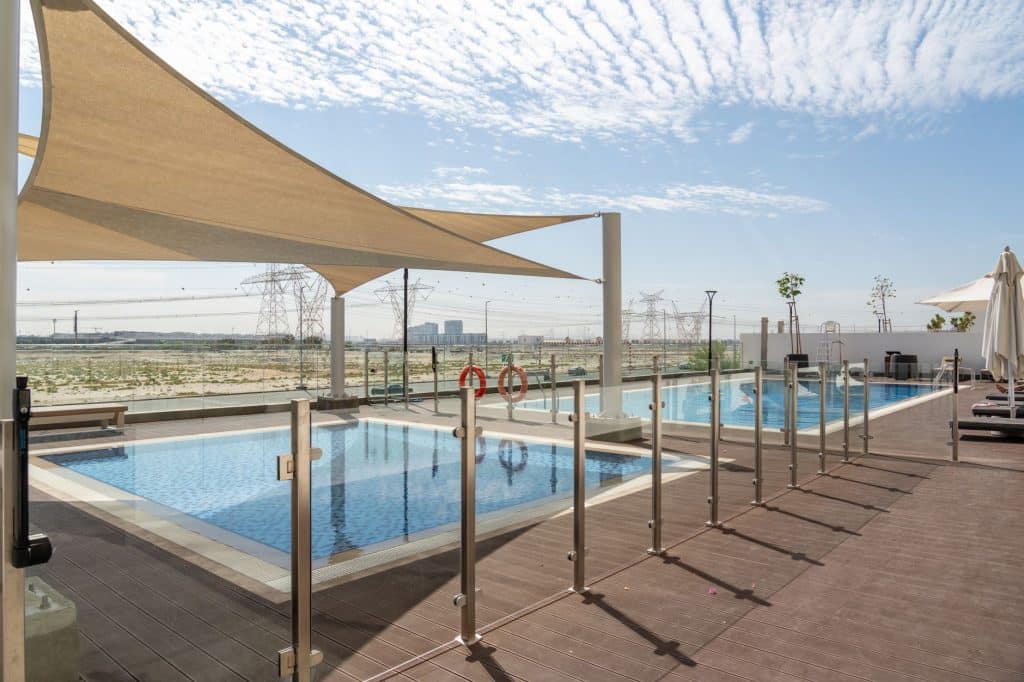
A matte or low-sheen powder-coat finish works best for most New Orleans yards, since it hides fingerprints, water spots, and pollen better than a high-gloss finish, though a gloss coat can still suit a more formal or modern property that gets regular cleaning. Matte finishes also hide small scratches from lawn equipment or pets better than shiny coatings. Gloss finishes photograph well and can make a smaller yard feel more polished, but they show dust and water spots faster in humid weather. Most fence buyers in the area choose a satin or matte finish for exactly this reason.
Louisiana’s mix of sun, rain, and humidity makes finish choice almost as important as color. Our guide on modern fence design ideas can help you picture how matte black or bronze looks against different landscaping. Testing a sample panel outdoors, in the same light your yard gets, remains the most reliable way to judge a finish before ordering.
A powder-coated aluminum fence needs only a rinse with a garden hose every few months and an occasional wash with mild soap and water, which is usually enough to keep its color looking fresh for decades without repainting or resealing. Avoid pressure washers on the highest setting, since they can chip or scratch the coating over time. A soft brush and garden hose remove pollen, mildew, and salt residue without harming the finish. Touch-up paint made for powder-coated aluminum can fix small nicks from lawn tools or storm debris. Routine cleaning twice a year is usually all a well-installed fence needs.
Regular care matters more than color choice for how long a fence looks good over time. Homeowners who want more detail on expected lifespan can read our guide on how long an aluminum fence lasts in New Orleans. Small maintenance habits protect the original color choice for the life of the fence.
Big Easy Fence Supply also offers ready-to-ship panels in popular finishes through our Quick Ship program, which can shorten the wait on a new fence project.
Black is the most popular aluminum fence color in New Orleans, since it gives a classic wrought-iron look that fits historic neighborhoods like the Garden District and modern subdivisions alike. Bronze and white are close runners-up for homes with warmer brick or coastal styling.
Aluminum fence color can fade slightly over many years of direct Louisiana sun, especially on south-facing sections near the Mississippi River. Higher-grade powder coatings resist fading far longer than basic paint and typically hold their color for a decade or more.
Some manufacturers offer custom powder-coat colors beyond the standard black, bronze, and white options, though lead times often run longer for custom orders. Homeowners in the Greater New Orleans area should ask about current options before finalizing a fence design.
A matte or satin powder-coat finish typically holds up best in New Orleans humidity, since it hides water spots and pollen better than a glossy surface. Both finishes resist rust the same way, because the coating protects the aluminum itself.
A rinse with a garden hose every few months, plus an occasional wash with mild soap and water, keeps a powder-coated fence looking new for years. Homes near Lake Pontchartrain may need slightly more frequent rinsing because of extra humidity and salt air in the atmosphere.
Standard colors like black, bronze, and white usually cost about the same, since all three use the same powder-coat process at installation. Custom colors or specialty finishes can add cost, so ask Big Easy Fence Supply for current pricing on any non-standard option before you order.
Choosing the right color for an aluminum fence comes down to matching your home’s style, picking a finish that handles Louisiana weather well, and keeping a simple cleaning routine. Black, bronze, and white each hold up for years when the powder coat is high quality and applied correctly. Big Easy Fence Supply installs and services aluminum and wrought iron fencing across the Greater New Orleans area. New installs come backed by a 24-Hour Fence Replacement Guarantee and Fence Now, Pay Later financing.
Big Easy Fence Supply can help you compare finishes, see real samples, and find the right color for your home before you order.
Call 504-608-7730 or contact us online.
New Orleans’ near-constant humidity and heavy annual rainfall speed up oxidation on wrought iron, so regular inspection, cleaning, and spot rust treatment (wire brush, rust converter, primer, and paint) are the fastest way to stop corrosion before it eats through the metal. A protective wax coating applied twice a year adds an extra layer of defense against the region’s subtropical air.
A wrought iron fence can stand for generations when it’s cared for properly, but in a climate like South Louisiana’s, rust can take hold within a single season if the metal is left unprotected. Wrought iron fence rust prevention starts with understanding why humidity speeds up oxidation in the first place: moisture in the air settles on bare or scratched metal, reacts with oxygen, and slowly breaks down the surface. Add salt-tinged air blowing in off the Gulf and near-daily summer rain, and untreated iron can show orange spots within weeks. The good news is that rust is almost always preventable with the right maintenance routine, not a full fence replacement.
At Big Easy Fence Supply, we install and repair wrought iron fences across New Orleans, so we see firsthand how the city’s humidity affects fencing that isn’t cared for on a set schedule. Visit our homepage to see the fencing we install and maintain throughout the city. If your fence already shows early rust, call 504-608-7730 for a free estimate on repair or a protective refinish.
New Orleans averages around 76% humidity year-round, with wetter months near 79%, and that constant moisture drives oxidation on wrought iron. Once water sits on bare metal or a scratch in the coating, it reacts with oxygen and iron to form rust, and the city’s warm, subtropical climate keeps that reaction going almost nonstop.
New Orleans sits in a humid subtropical zone, classified as Cfa under the Köppen climate system, with hot, wet summers and mild, damp winters. That combination gives wrought iron very little time to dry out between rain events, which is unusual compared to drier climates. Salt air moving in from the Gulf adds another accelerant, since chloride ions speed up corrosion on exposed iron.
Our wrought iron fencing is built to handle this climate, but any wrought iron fence, regardless of who installed it, needs a maintenance routine that accounts for how much moisture the metal sees each year.
A wrought iron fence in New Orleans should get a close visual inspection every three months, with an extra check after any major storm. Focus on welds, joints, post bases, and anywhere the powder coat or paint has chipped, since bare metal at these points rusts fastest.
Walk the full length of the fence and look for small orange or brown specks, bubbling paint, or a rough texture where the finish used to be smooth. Ground-level sections deserve extra attention because they sit closest to standing water and splashback after rain. Gates and hinges are another common trouble spot, since the constant movement wears through protective coatings faster than the rest of the fence.
Owners with a residential wrought iron fence often catch rust early by pairing inspections with routine yard work, like mowing or trimming near the fence line. A coin-sized rust spot is a quick fix; a rusted panel is a much bigger job. If your last inspection turned up more than a few spots, call 504-608-7730 and our team can walk the fence line with you.
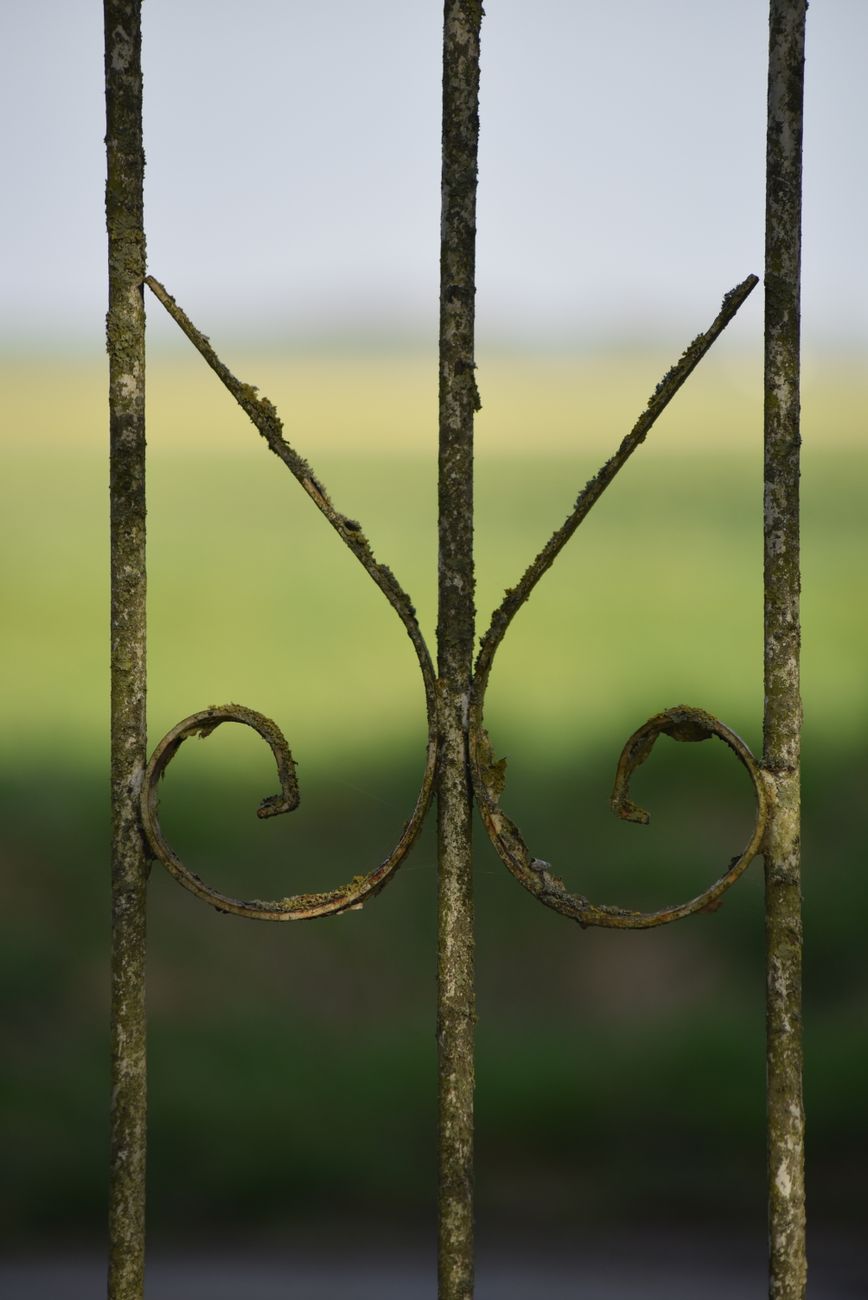
Wash a wrought iron fence monthly with mild dish soap and a soft brush or cloth, rinsing thoroughly with a garden hose. Avoid a pressure washer on close settings, since it can strip protective paint and force water into joints where it gets trapped and speeds up rust.
Dust, pollen, and airborne salt build up on iron surfaces over time, and left alone, that grime holds moisture against the metal longer than clean air ever would. After washing, dry the fence with a towel in spots where water tends to pool, especially around scrollwork and decorative details. A clean, dry fence also makes it far easier to spot new rust before it spreads.
If you’d rather focus on how the fence looks overall while staying on top of upkeep, our post on how to make your fence look nice covers cleaning routines and small touches that keep a fence line looking sharp.
Spot-treating rust means wire-brushing the area down to bare, solid metal, wiping away dust, and applying a rust converter to neutralize what’s left. Once the converter dries, follow with a metal primer and a matching exterior paint rated for outdoor iron or steel.
Start by scrubbing the rusted section with a wire brush until the surface feels smooth and the flaking rust is gone. A rust converter chemically changes remaining iron oxide into a stable, paintable surface, which stops corrosion from continuing to eat into the metal underneath. Let the converter cure per the product’s instructions, usually 24 to 48 hours, before adding primer.
Finish with two thin coats of exterior metal paint that matches the rest of the fence, letting each coat dry before the next. For fences with more decorative detail, our article on elegant wrought iron fences shows how style and security work together. Not every homeowner wants to spend a weekend wire-brushing a fence line, and that’s what our contact page is for if you’d rather have a crew handle it.
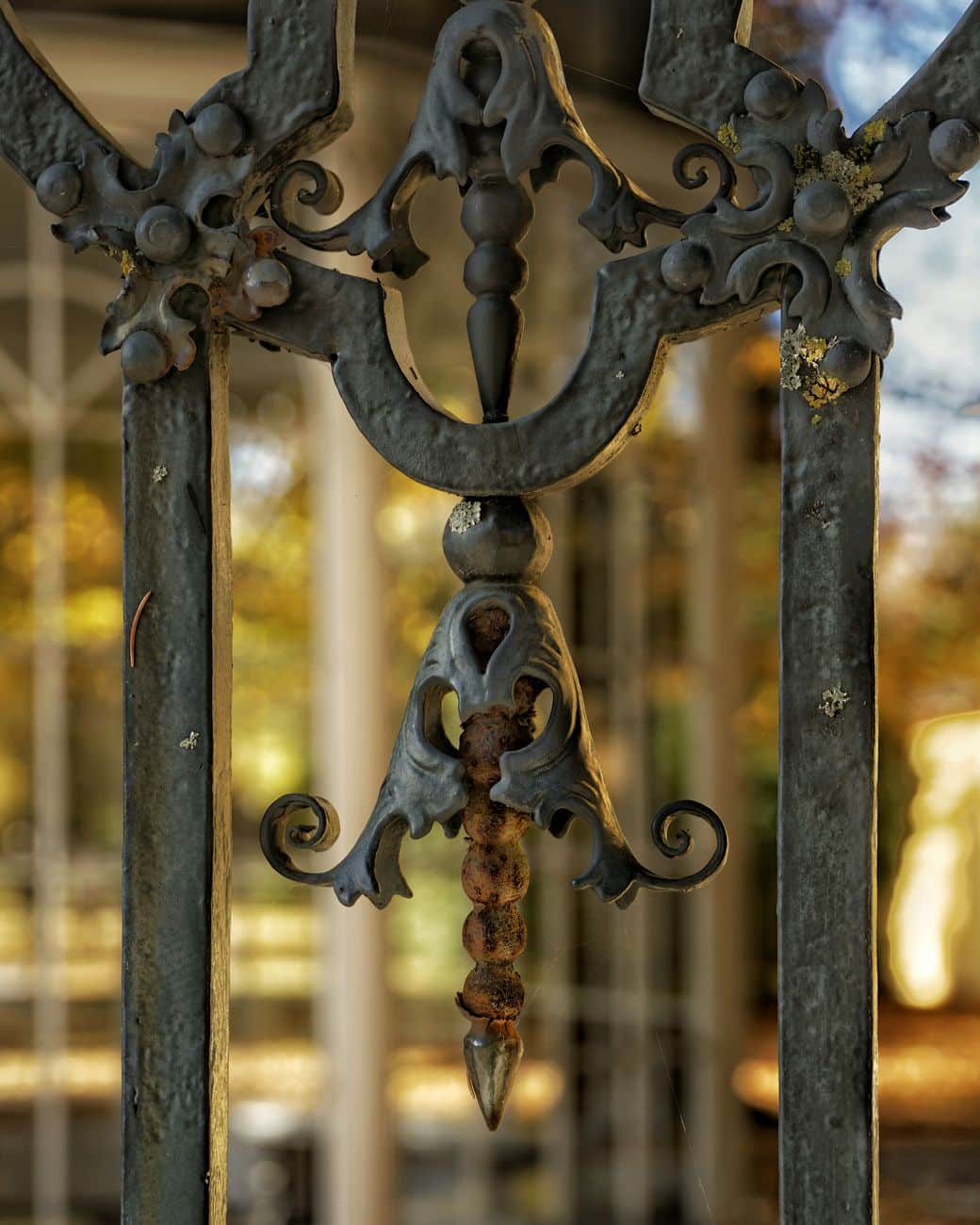
A powder-coated or marine-grade paint finish gives wrought iron its strongest defense against New Orleans humidity, and a paste wax or metal protectant applied twice a year adds a water-repelling layer on top. Reapplying wax in spring and fall lines up with the season shift into heavy summer rain.
Powder coating bonds to metal more tightly than brush-on paint and resists chipping from lawn equipment or gate contact, and every chip is a spot where rust can start. A light coat of automotive-style paste wax, buffed on after cleaning, sheds water the way it does on a car. Owners done with the twice-a-year routine sometimes ask about switching materials altogether, and our piece on how long aluminum fencing lasts explains why powder-coated aluminum never needs rust treatment at all.
Surface rust on wrought iron is a DIY-friendly fix, but pitting, holes, or rust at a post base that affects stability calls for a professional. A fence that’s structurally weak at ground level or heavily rusted across multiple panels is usually more cost-effective to replace than repeatedly patch.
Tap a suspicious spot with a screwdriver handle; if the metal feels soft or crumbles, the rust has gone past the surface. Post bases embedded in concrete are especially important to check, since rust there can compromise how the fence holds up in wind or storms. A professional crew can match powder coating and weld in new sections so repairs blend with the rest of the fence.
Bare or scratched wrought iron can start showing surface rust in as little as two to four weeks during New Orleans’ hot, humid summer months. The city’s average humidity near 76% keeps moisture on the metal longer than in drier climates, which speeds up oxidation significantly.
You’ll need a wire brush or sanding pad, a rust converter, a metal primer, and an exterior paint rated for iron or steel. Safety glasses and gloves are recommended, since wire-brushing throws off small metal particles and rust dust.
Surface rust almost always can be saved with wire-brushing, a rust converter, and fresh paint. Replacement usually only becomes necessary when rust has caused pitting, holes, or structural weakness at post bases or major joints.
Yes. Powder-coated aluminum does not rust, since aluminum forms a natural oxide layer instead of the iron oxide that causes rust, making it a popular swap for New Orleans homeowners tired of seasonal touch-ups.
Most wrought iron fences in this climate need a full repaint every three to five years, though touch-ups on chipped spots should happen as soon as they’re noticed. Fences near Lake Pontchartrain or the Gulf may need attention closer to the three-year mark.
Yes. Chloride ions in salt air speed up the electrochemical reaction that causes rust, so fences closer to the coast or open water corrode faster than those further inland, even with the same care routine.
A wrought iron fence adds real security and curb appeal to a New Orleans property, and a little routine care is what keeps it standing strong for decades instead of years. Quarterly inspections, regular cleaning, and quick spot treatment at the first sign of orange spots cost far less time and money than letting rust spread across a whole panel.
Big Easy Fence Supply repairs and maintains wrought iron fences throughout New Orleans, and we’re happy to take a look at yours before small rust spots turn into a bigger repair.
Call 504-608-7730 today for a free estimate, or ask about our 24-Hour Fence Replacement Guarantee if a section needs more than a touch-up.
Aluminum fences with open picket designs let hurricane-force wind pass through instead of pushing against a solid surface, which is why they hold up better than privacy fencing during New Orleans storms. Posts set in concrete footings and gate hardware are usually the first points of failure, not the aluminum pickets themselves. Homeowners who inspect and reinforce their fence before hurricane season starts each June 1 avoid most storm-related damage.
New Orleans homeowners know hurricane season brings more than rain. Wind gusts that top 60, 80, even 100 mph test every structure on a property, and fencing takes some of the hardest hits because it stands exposed with nothing to block the gusts. Hurricane resistant fencing New Orleans homeowners can count on needs to do one thing well: let wind move through instead of fighting it. That single design principle explains why some fences survive a named storm intact while others end up in pieces across the yard.
Big Easy Fence Supply installs and repairs aluminum and wrought iron fencing across New Orleans, and hurricane season is when a well-built fence proves its worth. The team has repaired storm-damaged fences all over the city and knows which materials and installation details actually hold up. Visit our homepage to see current styles, or call now if your fence took a hit last season and needs a fast fix.
Aluminum fencing generally performs better than wood or vinyl privacy fencing in hurricane season because its open picket design lets wind pass through instead of pushing against a solid surface. Properly installed aluminum fences with concrete-set posts can hold up against tropical-storm-force winds and many hurricane-force gusts, though flying debris remains a risk for any fence type.
New Orleans sits in one of the most storm-exposed regions in the country. The official Atlantic hurricane season runs June 1 through November 30 each year, according to the National Hurricane Center. During that stretch, sustained winds from tropical storms and hurricanes regularly exceed 39 mph, and a Category 1 hurricane brings sustained winds of 74 to 95 mph. Solid privacy fences act almost like a sail in those conditions, catching the full force of the wind across every panel.
Aluminum fencing sidesteps that problem by design. The narrow vertical pickets used in styles like Specrail and Bennington leave gaps between each bar, so wind slips through the fence line rather than slamming into it. That reduces the pressure on the posts, rails, and footings, which is where most storm damage actually starts. Homeowners can browse current options on the aluminum fencing page.
Open-picket aluminum fencing resists wind because gaps between the pickets cut the surface area facing the storm, lowering the total wind load the fence has to absorb. Solid panel fencing, including most wood privacy fences, has no gaps, so the full wind force pushes against the posts and footings, often causing them to lean, crack, or snap.
Wind load is the force wind exerts on a surface, and it scales with how much surface area is exposed. A 6-foot-tall solid fence panel gives a hurricane something to push against for its entire length. A picket fence with gaps between the bars can cut that exposed surface by a meaningful margin. That’s why wind-resistant fencing guides consistently point homeowners toward open designs in coastal areas.
The material itself matters too. Aluminum won’t rot, warp, or absorb water the way wood can, so it stays structurally sound even after repeated exposure to wind-driven rain. Homeowners weighing styles for a storm-prone yard can compare current options on the residential aluminum fencing page.
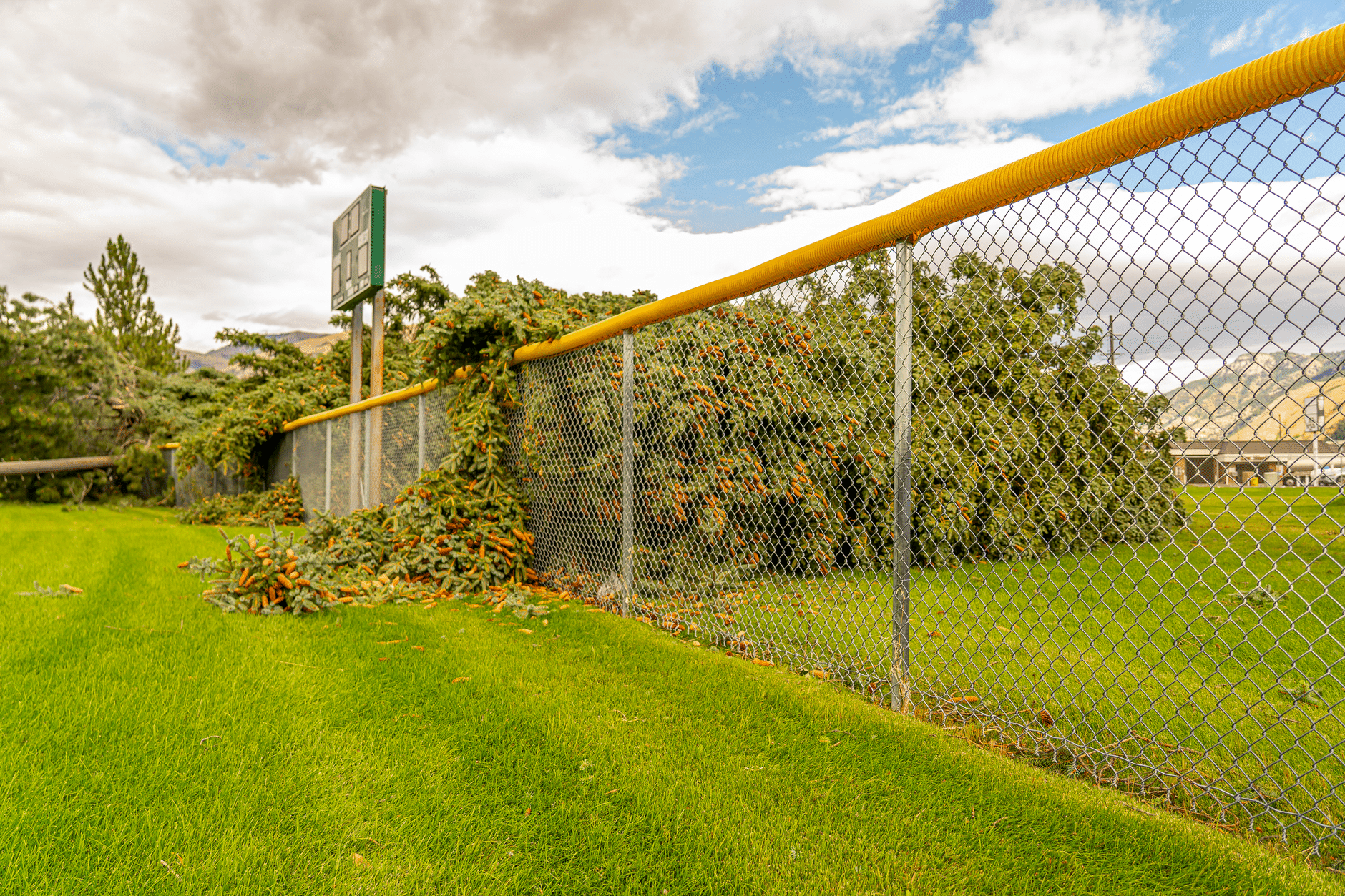
Fence posts and footings usually fail first in a hurricane, especially if they weren’t set deep enough or the ground around them has eroded from heavy rain. Gates are the next weak point because hinges and latches take repeated stress from wind gusts. Flying debris such as tree limbs can dent or snap pickets on any fence, aluminum included.
Post depth matters more than most homeowners realize. A post set only 18 inches into loose or saturated soil has far less holding power than one set deeper in properly cured concrete. New Orleans’ clay-heavy, moisture-retentive soil compounds the problem, since saturated ground loses much of its grip on a post during a storm.
Gates and latches see repeated stress every time wind pushes them open and shut, so hardware failure is common even on fences that otherwise hold up fine. Loose patio furniture, trash cans, and debris from neighboring yards are also a real threat, since a wind-driven object can dent even a well-built aluminum panel.
A quick inspection now can catch a problem before it becomes storm damage. Call 504-608-7730 for a free fence estimate and get peace of mind before the next storm rolls in.
Preparing a fence for hurricane season means checking posts for looseness, tightening loose gate hardware, and clearing debris from the yard. It also means confirming that footings are solid and free of erosion. Doing this walk-through before June 1 each year, when the Atlantic hurricane season officially begins, gives homeowners time to fix small issues before they become storm damage.
A short pre-season checklist covers most of what matters:
Catching a loose post in June is a far smaller fix than replacing an entire section after a named storm rolls through in September. Homeowners comparing materials before a repair or upgrade can start with the fence materials buyer’s guide.
After a storm passes, walk the fence line looking for leaning posts, cracked footings, bent or missing pickets, and gates that no longer close properly. Stay off downed fencing near power lines until it’s confirmed safe. Photograph any damage for insurance purposes, then call a fence repair company promptly, since storm season brings a surge in repair requests.
Storm damage isn’t always obvious from a distance. A post can look fine but be cracked below the soil line, and a gate that still swings might have hardware that’s about to fail. Checking every section methodically, rather than a quick glance from the porch, catches problems before they turn into bigger repairs.
This is also where a fast-response guarantee matters. A fence damaged during a hurricane or major storm often needs fast securing or replacement, both for security and curb appeal while other repairs continue. Homeowners planning a full replacement after storm damage can pull ideas from the modern fence design guide.
A hurricane resistant fence protects more than curb appeal. It keeps pets and kids contained, keeps the property secure while you’re away, and saves the cost of a full replacement after every storm season. Aluminum’s open-picket design, deep-set posts, and solid hardware are the three things that make the biggest difference between a fence that survives and one that doesn’t.
Big Easy Fence Supply has repaired and replaced storm-damaged fencing across New Orleans, and the 24-Hour Fence Replacement Guarantee means a compromised fence doesn’t have to sit broken for weeks while you wait on a contractor.
Ready to storm-proof your fence before the next named system forms in the Gulf? Contact Big Easy Fence Supply or call 504-608-7730 for a free estimate today.
The Atlantic hurricane season runs from June 1 through November 30 each year, according to the National Hurricane Center. New Orleans typically sees its highest storm activity between August and October. Homeowners should schedule fence inspections before the season begins in June.
Properly installed aluminum fencing with concrete-set posts can hold up through many hurricane-force wind events because its open picket design lets wind pass through instead of pushing against the fence. No fence is guaranteed to survive a direct hit from a major hurricane, but aluminum consistently outperforms solid privacy fencing.
Aluminum fencing generally holds up better than wood or solid vinyl privacy fencing in Gulf Coast storms because it doesn’t warp, rot, or trap wind the way solid panels do. Styles like Specrail and Bennington use open picket designs built for wind exposure. Wood privacy fences see far more storm damage each season by comparison.
Photograph all damage for insurance records before starting cleanup, a step FEMA recommends after any named storm. Confirm no downed power lines are touching the fence before approaching it, then call a local fence contractor for a repair estimate. Fast response matters most in the weeks after a storm when repair requests spike across the region.
Most contractors recommend setting posts well into properly cured concrete footings for wind-prone properties. Louisiana’s clay-heavy soil holds less firmly than sandy or rocky ground, so solid footings matter more here than in many other states. Shallow-set posts are one of the most common causes of fence failure during a hurricane.
Yes, gaps between pickets reduce the surface area facing the wind, which lowers the total wind load on the posts and footings. Solid panel fences act like a sail and catch the full force of a gust across their whole surface. This is why open picket styles are a common recommendation for coastal cities like New Orleans.
Most fences under a certain height in New Orleans do not need a standalone building permit if they follow Comprehensive Zoning Ordinance rules, but taller fences, masonry walls, and any fence inside a historic district need approval from the Department of Safety and Permits before work starts. Properties in HDLC districts or the French Quarter need additional sign-off from the Historic District Landmarks Commission or the Vieux Carré Commission. Confirm the exact height threshold and fees for your address through the city’s One Stop Shop portal.
Putting up a new fence sounds like a simple weekend project, but in New Orleans it can trigger a review from more than one city department. The rules around a fence permit New Orleans homeowners must follow depend on the fence’s height, its location, and whether the property sits inside a historic district. Some fences need nothing more than a trip to the hardware store, while others require sign-off from the city before a single post goes into the ground. Skipping that step can mean a stop-work order, a fine, or tearing down a fence that’s already finished.
Big Easy Fence Supply installs aluminum and wrought iron fencing across New Orleans and walks homeowners through these permit questions every week. Visit bigeasyfencesupply.com to see the fencing options available, or call 504-608-7730 for a free estimate before you start the permit process.
Not every fence in New Orleans needs a standalone building permit. Per the city’s Guide to Building Permits (nola.gov, 2026), fences that stay within certain height limits and follow Comprehensive Zoning Ordinance standards are generally exempt, while taller fences, masonry walls, and any fence in a historic district need Department of Safety and Permits review first.
The Comprehensive Zoning Ordinance, sometimes called the CZO, sets the baseline height and design rules for fences by yard type. Short fences that meet those standards typically move forward without a separate permit application. Anything taller, plus most masonry walls, needs a permit before construction starts. The exact cutoff can shift depending on your zoning district, so it’s worth confirming with Safety & Permits before you buy materials.
Height is the biggest factor in whether your fence needs a permit. The CZO limits how tall a fence can be in front yards versus side and rear yards, and requires front-yard fences to stay open rather than solid. Fences that exceed the applicable height cap, or masonry walls above a few feet, generally need a permit through Safety and Permits.
Front yards in most New Orleans neighborhoods carry a lower height cap than side and rear yards, and front fences must stay open rather than solid. Side and rear yard fences can usually run taller, especially where a residential lot borders an industrial or commercial zone. Grade matters too, since the city measures height from the highest point along the property line rather than the lowest. Confirm the exact number allowed for your zoning district with Safety & Permits before you order materials for aluminum fencing or wrought iron fencing.
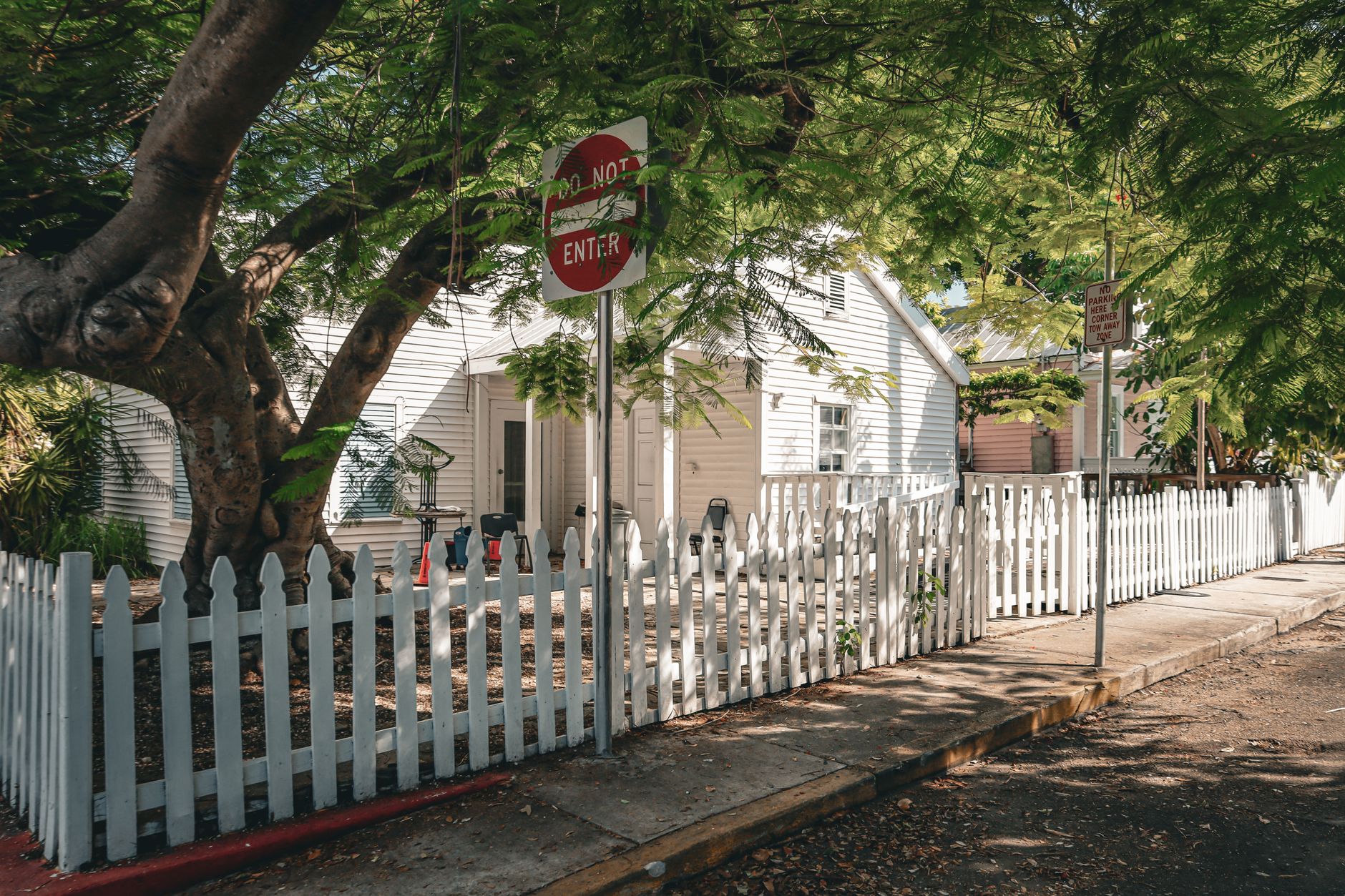
Yes. Properties inside a local historic district need a Certificate of Appropriateness from the Historic District Landmarks Commission before Safety and Permits will issue a fence permit, and the height threshold for needing that permit is lower than in the rest of the city. French Quarter properties fall under the separate Vieux Carré Commission instead of HDLC.
The Historic District Landmarks Commission, known as HDLC, reviews exterior changes in neighborhoods like the Garden District, Marigny, Bywater, Tremé, and Irish Channel. Any fence project there needs a Certificate of Appropriateness before the city moves the permit application forward, regardless of how modest the fence looks. In the French Quarter, that review shifts to the Vieux Carré Commission, which evaluates design, materials, and how the fence fits the block’s historic character. Wrought iron is a traditional fit for these districts, and a buyer’s guide to fence materials can help you choose a style reviewers are likely to approve.
If your property sits in the Garden District, French Quarter, or another historic overlay, plan the design review into your timeline before you order materials. Call 504-608-7730 to talk through fence styles that tend to move through HDLC and VCC review without delays.
Fence permit applications in New Orleans go through the city’s One Stop Shop portal at onestopapp.nola.gov. You’ll need the property address, a site or plot plan showing fence placement, material and height specifications, and an estimated project cost, since permit fees are tied to the value of the work.
Start by creating an account on the One Stop Shop and searching for a building permit application, then upload a simple site plan showing the fence’s location, height, and material. If your project needs review from HDLC or the Vieux Carré Commission, that approval happens before Safety and Permits issues the actual building permit. According to the city’s Guide to Building Permits (nola.gov, 2026), fees generally start around $60 plus additional cost tied to the value of the work. Confirm current pricing for your project with Safety & Permits directly.
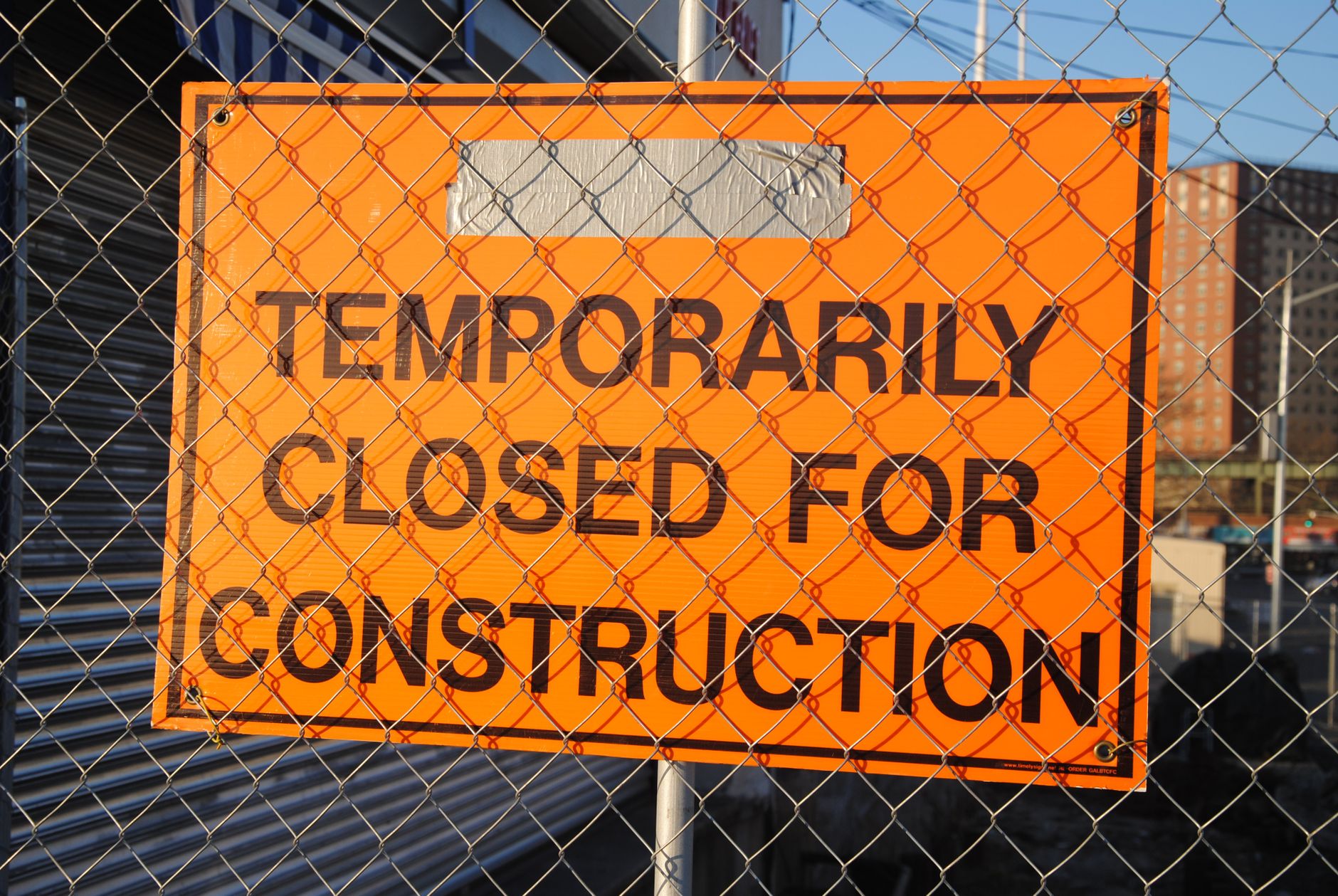
Building a fence without a required permit can lead to a stop-work order, fines, and a demand from Safety and Permits to remove or rebuild the fence to code. Unpermitted work can also complicate a home sale, since buyers and title companies often ask for permit records during closing.
A neighbor complaint or a routine inspection can flag an unpermitted fence years after it’s finished. At that point, fixing the problem usually costs more than the original permit would have, since you’re paying to modify or remove completed work. Choosing durable materials up front makes the whole process smoother. That might mean elegant wrought iron fencing built to meet historic district standards, or aluminum fencing rated to last for decades in New Orleans’ climate.
No. Per the city’s Guide to Building Permits (nola.gov, 2026), fences that meet certain height and design limits under the Comprehensive Zoning Ordinance are generally exempt from a standalone permit. Taller fences, masonry walls, and any fence in a historic district still need approval from the Department of Safety and Permits before installation starts.
The Department of Safety and Permits checks fence height, placement relative to property lines, and compliance with the Comprehensive Zoning Ordinance. For properties in a local historic district, it also confirms that the Historic District Landmarks Commission has issued a Certificate of Appropriateness before the permit moves forward.
Likely yes, and the review process differs by neighborhood. Garden District properties go through the Historic District Landmarks Commission for a Certificate of Appropriateness. French Quarter properties fall under the Vieux Carré Commission instead, in addition to standard permitting through Safety and Permits.
Fees vary by project value. According to the city’s Guide to Building Permits (nola.gov, 2026), building permit fees generally start around $60 plus an additional charge tied to the estimated cost of the work. Confirm current pricing for your project through the One Stop Shop or directly with Safety and Permits.
Timelines depend on whether your property needs historic district review. A straightforward permit through the One Stop Shop can move faster than a project requiring Historic District Landmarks Commission or Vieux Carré Commission sign-off, which adds a separate review step. Ask Safety and Permits for a current timeline estimate.
An experienced installer can confirm height limits, prepare a site plan, and flag whether your property needs review from the Historic District Landmarks Commission or the Vieux Carré Commission. A local fence company can also submit the paperwork through the One Stop Shop and coordinate timing with Safety and Permits.
A fence that clears permitting the first time protects your investment and avoids delays with buyers or lenders down the road. Getting the height, materials, and district review right before installation day saves money compared to fixing a fence after the fact. It also means your fence goes up once and stays up, without a stop-work order interrupting the project.
Big Easy Fence Supply has helped homeowners across New Orleans navigate CZO height rules, HDLC reviews, and Vieux Carré Commission approvals. The team installs aluminum and wrought iron fencing built for the local climate, matched to what each district will approve.
Ready to start your fence project the right way? Contact us or call 504-608-7730 for a free estimate and help figuring out exactly what your permit application needs.
Metal fencing, led by aluminum and wrought iron, holds the largest share of the fencing market heading into 2026, with powder-coated black and bronze finishes and in-stock Quick Ship inventory driving contractor orders. New Orleans crews are also leaning on financing options more than in past years as homeowners weigh material costs against tighter budgets.
Fence supply trends in 2026 are shifting toward metal materials, faster inventory turnaround, and finish options that give contractors more to offer without slowing down a job. The fencing industry is projected to generate roughly $20.4 billion in revenue this year, and metal fencing already holds the largest share of that market among material types (IBISWorld, 2026). For New Orleans contractors bidding aluminum and wrought iron jobs, knowing which products are moving fastest, which finishes homeowners are requesting, and which suppliers can actually deliver on schedule makes the difference between a profitable season and a stalled one.
Big Easy Fence Supply tracks these shifts closely because contractors across the New Orleans metro rely on the yard to keep projects moving. The company has filled more than 1,500 projects and works with 10 or more customers a day, giving a direct read on what New Orleans crews are actually ordering. Visit the Big Easy Fence Supply homepage to see current inventory, or call 504-608-7730 for a free estimate on your next fence order.
Metal fencing, especially aluminum and wrought iron, holds the largest share of the fencing market heading into 2026, and New Orleans contractors are leaning into both for their corrosion resistance in a humid climate. Wood, vinyl, and chain-link still have a place on certain jobs, but metal’s durability and low upkeep make it the default recommendation on most residential and commercial bids this year.
Metal fencing held the largest revenue share of any material category in 2025, and that lead is expected to continue through 2026 as steel and aluminum options keep gaining ground in both residential and commercial projects (IBISWorld, 2026). In a coastal climate like New Orleans, aluminum’s rust-free performance is a bigger selling point than in drier regions, since humidity and salt air wear through untreated wood and lower-grade metal fast.
Contractors sourcing aluminum locally can browse product lines like Specrail, AFS, and Bennington heights on the products page instead of waiting on a custom order from out of state. For a broader rundown of how aluminum and wrought iron compare against other materials sold in the area, the buyer’s guide to fence materials breaks down pricing and durability side by side.
Powder-coated aluminum finishes in black, bronze, and woodgrain are the most requested options for 2026 because they resist fading and corrosion better than standard paint while giving homeowners a more custom look. Matte black and charcoal are the dominant color requests this year, replacing the lighter grays that were popular a few seasons ago.
Powder coating adds a protective layer against UV exposure and everyday wear, which matters in a climate that sees intense sun for most of the year. Suppliers report bronze, black, and white finishes expanding fastest, with woodgrain-style coatings also gaining interest from homeowners who want a metal fence with the warmth of wood.
Wrought iron carries this same finish demand into ornamental and security applications, since a powder-coated black finish is the standard look contractors specify for both residential and commercial iron fencing. For more on where that demand is showing up, the wrought iron style guide covers the styles New Orleans homeowners are asking for most.
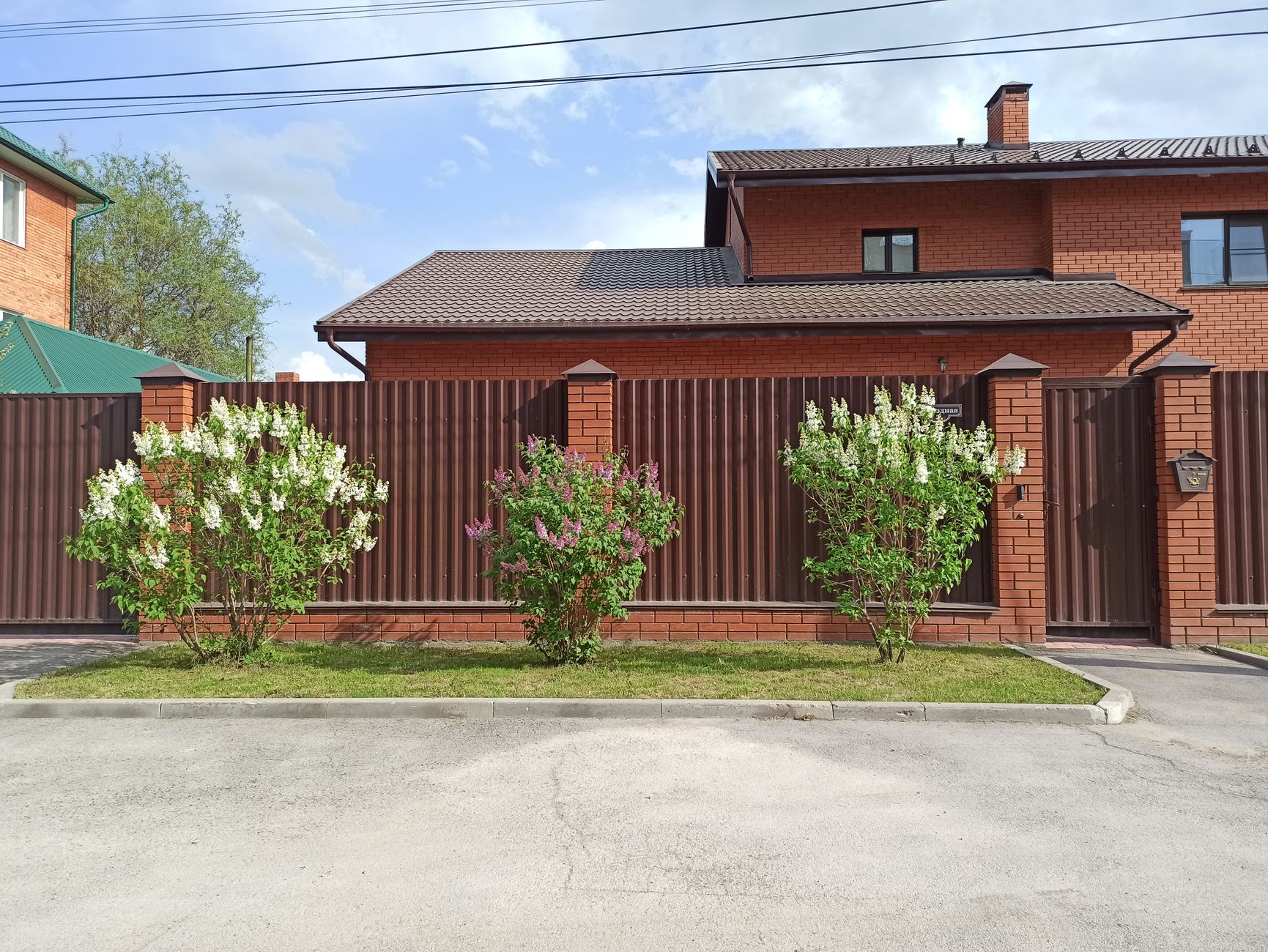
Contractors are prioritizing suppliers that keep aluminum fencing in stock and ready to move, rather than placing custom orders with multi-week lead times. Quick Ship inventory lets a crew commit to a start date with confidence instead of building slack into every bid for material delays.
Tariff uncertainty affecting materials has made national supply chains less predictable, and that unpredictability slowed new housing starts through 2025 (IBISWorld, 2026). Contractors responded by shifting more of their sourcing toward local yards that hold ready stock, since a delayed fence order can stall an entire installation crew for days.
This is one reason Quick Ship residential aluminum has become a bigger part of contractor conversations this year. Ordering from a stocked local supplier and pairing it with a fast install backed by a 24-hour replacement guarantee gives contractors a scheduling edge that custom-order competitors can’t match. Contact the team to check current Quick Ship availability before your next bid.
More homeowners are asking about payment plans before agreeing to a fence project, and contractors who offer financing tend to close more bids because of it. Industry data shows homeowners offered financing move forward on projects roughly 62% more often, which is pushing more fence and home improvement companies to add payment options in 2026.
Remodeling spending is expected to reach record levels in 2026, but price sensitivity remains high. A large share of homeowners are delaying or scaling back projects over cost even though most still plan to spend on their home this year, and financing bridges that gap by letting a homeowner start a fence project now and spread the cost out over time.
Contractors who offer payment plans report average ticket sizes rising alongside close rates, a meaningful shift for anyone bidding larger aluminum or wrought iron perimeter jobs. Programs like Fence Now, Pay Later exist for exactly this reason, giving New Orleans homeowners a way to move forward on a fence order without paying the full cost upfront.

Commercial and industrial properties are specifying more aluminum fencing in 2026 because it combines security, low maintenance, and a cleaner appearance than chain-link without the upkeep costs of wood. Property managers and general contractors are choosing aluminum for pool enclosures, parking lot perimeters, and multi-family developments across the New Orleans area.
Metal fencing’s dominant share of the overall market isn’t limited to residential yards. Commercial buyers are drawn to aluminum’s strength-to-weight ratio and resistance to the humidity that causes faster corrosion on lower-grade metal fencing in Gulf Coast climates.
Contractors bidding larger commercial jobs can review specs and options on the commercial aluminum page before submitting a proposal. Pairing the right finish and gauge for a commercial job with a supplier that keeps inventory on hand keeps large-scale installs on schedule. Call 504-608-7730 to talk through commercial aluminum options for your next bid.
Aluminum and wrought iron are the top choices among New Orleans contractors in 2026, since both resist the corrosion caused by Gulf Coast humidity. Powder-coated aluminum from lines like Specrail and Bennington is especially popular for residential jobs, while wrought iron remains the standard for high-security commercial fencing.
Matte black and charcoal powder coatings are leading 2026 orders because they hold up against UV exposure and rust better than standard paint while giving fences a cleaner, modern look. The finish works on both aluminum and wrought iron, which is why it shows up across residential and commercial jobs alike.
Quick Ship residential aluminum lets contractors order in-stock fencing instead of waiting on custom manufacturing, which can take weeks during periods of tariff-driven supply chain delays. Big Easy Fence Supply keeps Quick Ship inventory on hand in New Orleans so crews can commit to installation dates with more confidence.
Yes. Industry data shows homeowners are significantly more likely to move forward with a project when a payment plan like Fence Now, Pay Later is offered upfront. Financing also tends to raise average project size, since homeowners are more willing to upgrade materials or add gates when cost isn’t due all at once.
Aluminum is one of the top commercial fencing choices for 2026 because it holds up to Gulf Coast humidity without the rust issues cheaper metal fencing develops. It’s commonly specified for pool enclosures, parking lot perimeters, and multi-family properties where both security and appearance matter.
Tariff-related cost pressure noted in the IBISWorld 2026 fencing industry report is part of why more contractors are locking in orders early with local Louisiana suppliers instead of relying on longer lead times from national distributors. Working with a stocked New Orleans yard helps contractors avoid last-minute price and availability surprises.
New Orleans fence contractors who adapt to these 2026 supply trends gain a real edge on bids: faster material access, finishes homeowners are actively requesting, and financing options that turn hesitant estimates into signed jobs. Choosing metal over higher-maintenance materials also means fewer callbacks for warping, rot, or rust in a climate that punishes anything less durable.
Big Easy Fence Supply stocks the aluminum and wrought iron lines New Orleans contractors are ordering most this year, backed by a 24-hour replacement guarantee and Fence Now, Pay Later financing. For visual inspiration on pairing these finishes with a home’s style, browse the modern fence design ideas post.
Ready to lock in your next fence order before material costs or lead times shift again? Call 504-608-7730 for a free estimate on your next aluminum or wrought iron fence order.
Tell us about your property and we’ll come walk your line. No obligation.
Prefer to talk? Call us 504-608-7730
Big Easy Fence Supply
Automated assistant · replies instantly