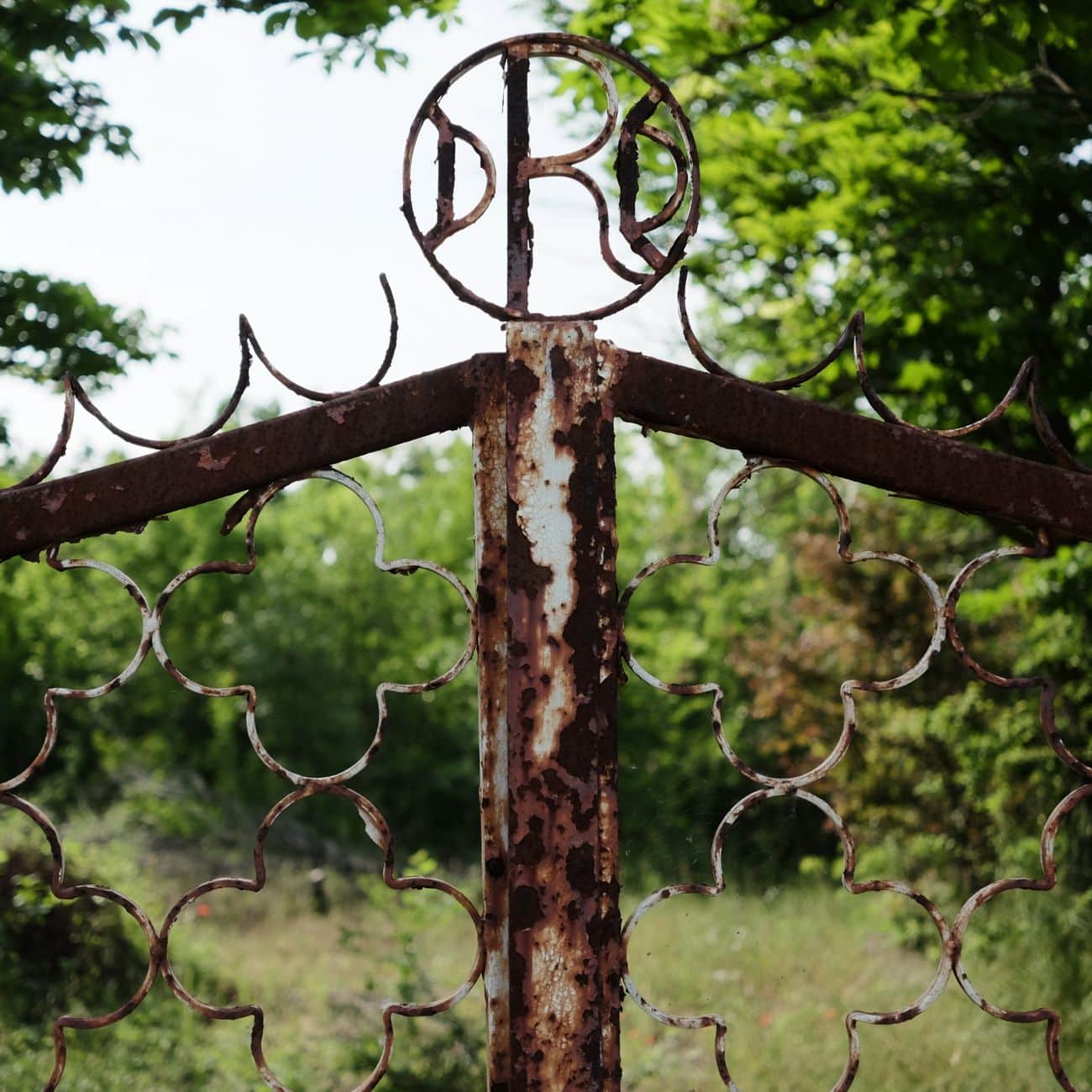
New Orleans’ near-constant humidity and heavy annual rainfall speed up oxidation on wrought iron, so regular inspection, cleaning, and spot rust treatment (wire brush, rust converter, primer, and paint) are the fastest way to stop corrosion before it eats through the metal. A protective wax coating applied twice a year adds an extra layer of defense against the region’s subtropical air.
A wrought iron fence can stand for generations when it’s cared for properly, but in a climate like South Louisiana’s, rust can take hold within a single season if the metal is left unprotected. Wrought iron fence rust prevention starts with understanding why humidity speeds up oxidation in the first place: moisture in the air settles on bare or scratched metal, reacts with oxygen, and slowly breaks down the surface. Add salt-tinged air blowing in off the Gulf and near-daily summer rain, and untreated iron can show orange spots within weeks. The good news is that rust is almost always preventable with the right maintenance routine, not a full fence replacement.
At Big Easy Fence Supply, we install and repair wrought iron fences across New Orleans, so we see firsthand how the city’s humidity affects fencing that isn’t cared for on a set schedule. Visit our homepage to see the fencing we install and maintain throughout the city. If your fence already shows early rust, call 504-608-7730 for a free estimate on repair or a protective refinish.
Why Does New Orleans Humidity Cause Wrought Iron Fences to Rust So Fast?
New Orleans averages around 76% humidity year-round, with wetter months near 79%, and that constant moisture drives oxidation on wrought iron. Once water sits on bare metal or a scratch in the coating, it reacts with oxygen and iron to form rust, and the city’s warm, subtropical climate keeps that reaction going almost nonstop.
New Orleans sits in a humid subtropical zone, classified as Cfa under the Köppen climate system, with hot, wet summers and mild, damp winters. That combination gives wrought iron very little time to dry out between rain events, which is unusual compared to drier climates. Salt air moving in from the Gulf adds another accelerant, since chloride ions speed up corrosion on exposed iron.
Our wrought iron fencing is built to handle this climate, but any wrought iron fence, regardless of who installed it, needs a maintenance routine that accounts for how much moisture the metal sees each year.
How Often Should a Wrought Iron Fence Be Inspected for Rust?
A wrought iron fence in New Orleans should get a close visual inspection every three months, with an extra check after any major storm. Focus on welds, joints, post bases, and anywhere the powder coat or paint has chipped, since bare metal at these points rusts fastest.
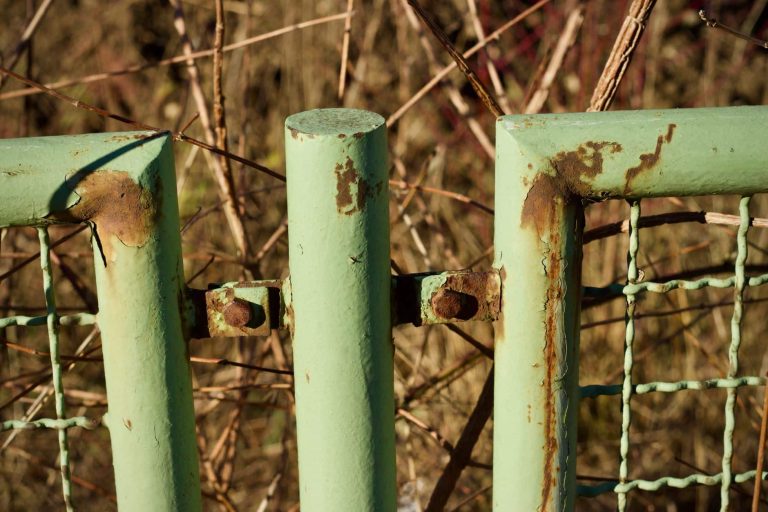
Walk the full length of the fence and look for small orange or brown specks, bubbling paint, or a rough texture where the finish used to be smooth. Ground-level sections deserve extra attention because they sit closest to standing water and splashback after rain. Gates and hinges are another common trouble spot, since the constant movement wears through protective coatings faster than the rest of the fence.
Owners with a residential wrought iron fence often catch rust early by pairing inspections with routine yard work, like mowing or trimming near the fence line. A coin-sized rust spot is a quick fix; a rusted panel is a much bigger job. If your last inspection turned up more than a few spots, call 504-608-7730 and our team can walk the fence line with you.
How Should You Clean a Wrought Iron Fence to Prevent Corrosion?
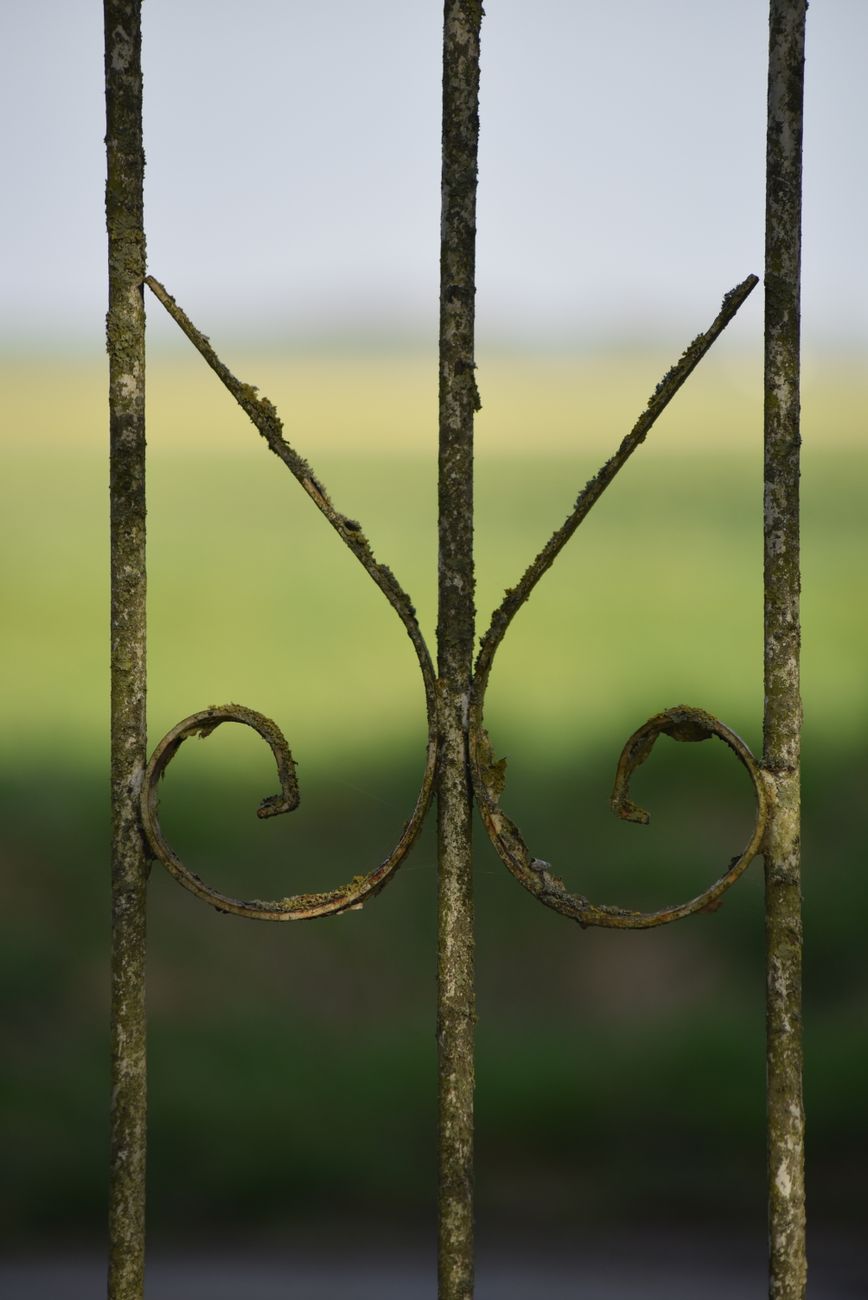
Wash a wrought iron fence monthly with mild dish soap and a soft brush or cloth, rinsing thoroughly with a garden hose. Avoid a pressure washer on close settings, since it can strip protective paint and force water into joints where it gets trapped and speeds up rust.
Dust, pollen, and airborne salt build up on iron surfaces over time, and left alone, that grime holds moisture against the metal longer than clean air ever would. After washing, dry the fence with a towel in spots where water tends to pool, especially around scrollwork and decorative details. A clean, dry fence also makes it far easier to spot new rust before it spreads.
If you’d rather focus on how the fence looks overall while staying on top of upkeep, our post on how to make your fence look nice covers cleaning routines and small touches that keep a fence line looking sharp.
How Do You Spot-Treat Rust Before It Spreads Across a Wrought Iron Fence?
Spot-treating rust means wire-brushing the area down to bare, solid metal, wiping away dust, and applying a rust converter to neutralize what’s left. Once the converter dries, follow with a metal primer and a matching exterior paint rated for outdoor iron or steel.
Start by scrubbing the rusted section with a wire brush until the surface feels smooth and the flaking rust is gone. A rust converter chemically changes remaining iron oxide into a stable, paintable surface, which stops corrosion from continuing to eat into the metal underneath. Let the converter cure per the product’s instructions, usually 24 to 48 hours, before adding primer.
Finish with two thin coats of exterior metal paint that matches the rest of the fence, letting each coat dry before the next. For fences with more decorative detail, our article on elegant wrought iron fences shows how style and security work together. Not every homeowner wants to spend a weekend wire-brushing a fence line, and that’s what our contact page is for if you’d rather have a crew handle it.
What Protective Coatings Help Keep Rust Away Long-Term?
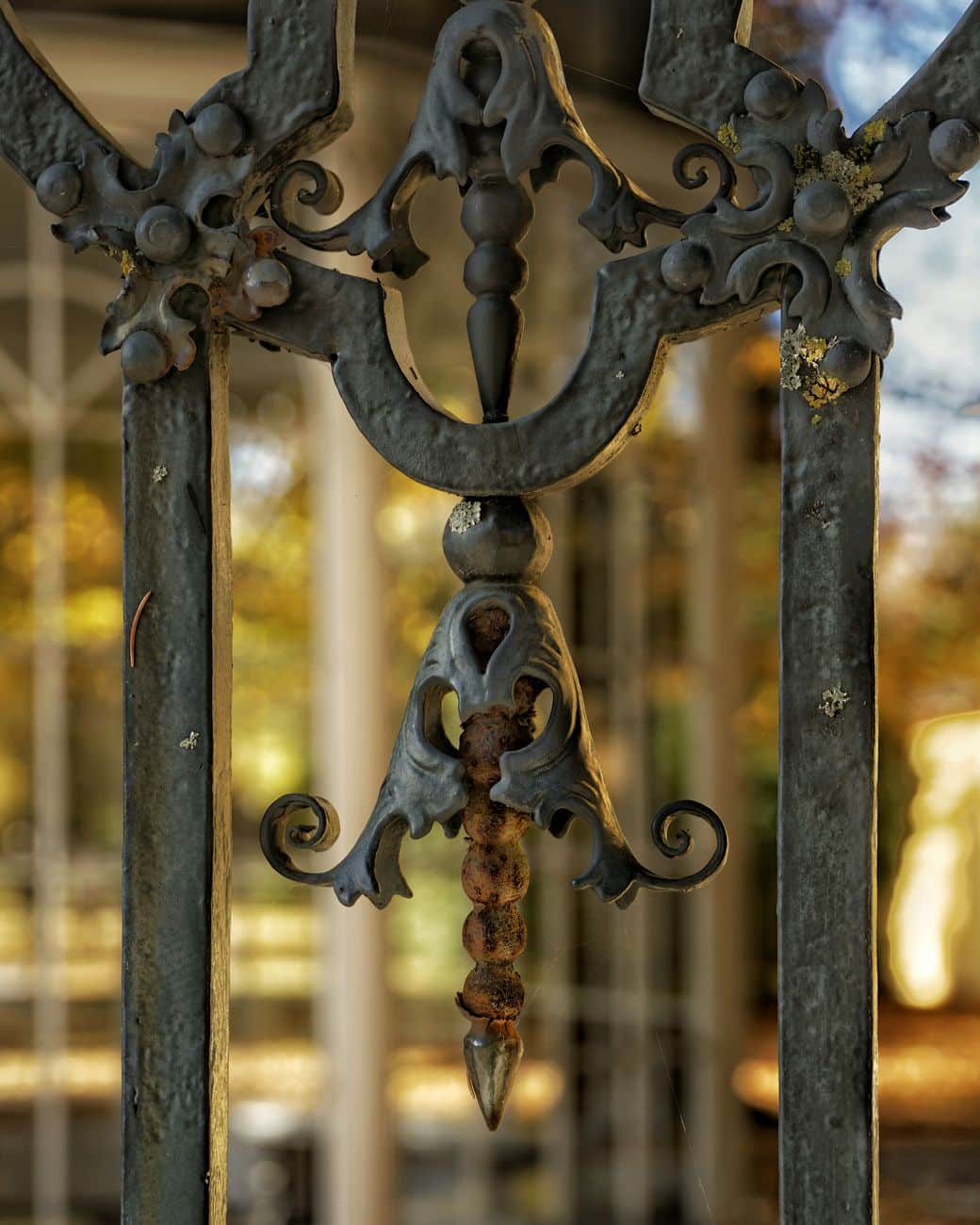
A powder-coated or marine-grade paint finish gives wrought iron its strongest defense against New Orleans humidity, and a paste wax or metal protectant applied twice a year adds a water-repelling layer on top. Reapplying wax in spring and fall lines up with the season shift into heavy summer rain.
Powder coating bonds to metal more tightly than brush-on paint and resists chipping from lawn equipment or gate contact, and every chip is a spot where rust can start. A light coat of automotive-style paste wax, buffed on after cleaning, sheds water the way it does on a car. Owners done with the twice-a-year routine sometimes ask about switching materials altogether, and our piece on how long aluminum fencing lasts explains why powder-coated aluminum never needs rust treatment at all.
When Does Rust Damage Require Professional Repair or Fence Replacement?
Surface rust on wrought iron is a DIY-friendly fix, but pitting, holes, or rust at a post base that affects stability calls for a professional. A fence that’s structurally weak at ground level or heavily rusted across multiple panels is usually more cost-effective to replace than repeatedly patch.
Tap a suspicious spot with a screwdriver handle; if the metal feels soft or crumbles, the rust has gone past the surface. Post bases embedded in concrete are especially important to check, since rust there can compromise how the fence holds up in wind or storms. A professional crew can match powder coating and weld in new sections so repairs blend with the rest of the fence.
Frequently Asked Questions
How fast can a wrought iron fence rust in New Orleans’ humidity?
Bare or scratched wrought iron can start showing surface rust in as little as two to four weeks during New Orleans’ hot, humid summer months. The city’s average humidity near 76% keeps moisture on the metal longer than in drier climates, which speeds up oxidation significantly.
What tools do you need to remove rust from wrought iron before repainting?
You’ll need a wire brush or sanding pad, a rust converter, a metal primer, and an exterior paint rated for iron or steel. Safety glasses and gloves are recommended, since wire-brushing throws off small metal particles and rust dust.
Can a wrought iron fence with surface rust be saved, or does it need replacing?
Surface rust almost always can be saved with wire-brushing, a rust converter, and fresh paint. Replacement usually only becomes necessary when rust has caused pitting, holes, or structural weakness at post bases or major joints.
Is powder-coated aluminum a lower-maintenance alternative to wrought iron in a humid climate?
Yes. Powder-coated aluminum does not rust, since aluminum forms a natural oxide layer instead of the iron oxide that causes rust, making it a popular swap for New Orleans homeowners tired of seasonal touch-ups.
How often should a wrought iron fence be repainted in New Orleans?
Most wrought iron fences in this climate need a full repaint every three to five years, though touch-ups on chipped spots should happen as soon as they’re noticed. Fences near Lake Pontchartrain or the Gulf may need attention closer to the three-year mark.
Does salt air from the Gulf make rust worse on wrought iron fences?
Yes. Chloride ions in salt air speed up the electrochemical reaction that causes rust, so fences closer to the coast or open water corrode faster than those further inland, even with the same care routine.
Protect Your Investment for the Long Haul
A wrought iron fence adds real security and curb appeal to a New Orleans property, and a little routine care is what keeps it standing strong for decades instead of years. Quarterly inspections, regular cleaning, and quick spot treatment at the first sign of orange spots cost far less time and money than letting rust spread across a whole panel.
Big Easy Fence Supply repairs and maintains wrought iron fences throughout New Orleans, and we’re happy to take a look at yours before small rust spots turn into a bigger repair.
Call 504-608-7730 today for a free estimate, or ask about our 24-Hour Fence Replacement Guarantee if a section needs more than a touch-up.