Choosing the right fence material in New Orleans is not quite the same as picking a fence anywhere else in the country. Between the relentless humidity, heavy rainfall, the occasional hurricane, and the subtropical heat that defines Southeast Louisiana, your fence needs to do more than look good — it needs to survive.
Whether you are a homeowner planning a weekend DIY project, a contractor stocking up for a client build, or a commercial property owner looking for a long-term perimeter solution, this guide breaks down the top fence materials available in the Greater New Orleans area so you can make a confident, informed purchase.
Wood Fencing: The Classic Choice with a Caveat
Wood remains the most popular fencing material across Louisiana for good reason. It offers a warm, natural appearance, strong privacy, and design versatility that is hard to match with other materials. From traditional picket fences to tall privacy panels, wood can be customized to suit nearly any aesthetic.
However, wood demands respect in a climate like ours. New Orleans averages over 60 inches of rain per year, and that moisture is the number-one enemy of untreated lumber. Rot, warping, and termite damage are all real concerns if you skip proper treatment and maintenance.
Best Wood Species for the New Orleans Climate
Not all lumber performs equally in humid conditions. Here are the top picks for fence projects in Southeast Louisiana:
Pressure-Treated Pine is the most budget-friendly option, typically running between $20 and $35 per linear foot installed. The chemical treatment process forces preservatives deep into the wood fibers, providing solid resistance to rot and insects. With annual sealing or staining, a pressure-treated pine fence can last 15 to 20 years in our climate.
Western Red Cedar is a step up in durability and natural beauty. Cedar contains natural oils that repel insects and resist moisture without chemical treatment. It typically lasts twice as long as untreated pine and weathers to a handsome silver-gray patina over time. Expect to pay a premium — roughly 30 to 50 percent more than treated pine — but the reduced maintenance costs often make up the difference over the fence’s lifespan.
Cypress is the local favorite, and for good reason. Louisiana bald cypress has been used in construction across the Gulf South for centuries because of its exceptional natural resistance to moisture and decay. When available, it is one of the best wood options for fencing in our region.
Wood Fence Maintenance Tips
To get the most out of a wood fence in New Orleans, plan on applying a water-repellent stain or sealant every one to two years. Inspect posts at the ground line annually for signs of rot, and keep vegetation trimmed back from the fence line to promote airflow and reduce moisture retention.
Vinyl Fencing: Low Maintenance for Louisiana Weather
 Vinyl fencing has seen a surge in popularity across Greater New Orleans, and the reason is simple — it handles our climate without asking much in return.
Vinyl will not rot, peel, warp, or attract termites, and it never needs painting or staining. A quick rinse with a garden hose is about all it takes to keep a vinyl fence looking new.
Modern vinyl fencing comes in a wide range of styles, from classic white picket designs to tall privacy panels that mimic the look of painted wood. Quality vinyl products are UV-stabilized to resist fading under Louisiana’s intense sun.
The trade-off is cost. Vinyl fencing typically costs more upfront than wood, with installed prices ranging from $25 to $45 per linear foot depending on the style and height. However, when you factor in the money saved on stains, sealants, and repairs over the years, vinyl often pays for itself within five to seven years. A well-made vinyl fence can last 25 to 30 years or more with virtually zero maintenance.
One consideration for New Orleans buyers: not all vinyl products are created equal. Look for fences rated for high-wind conditions, as thinner or lower-grade vinyl panels can crack or become brittle over time with prolonged UV exposure.
Aluminum Fencing: Sleek, Durable, and Rust-Free
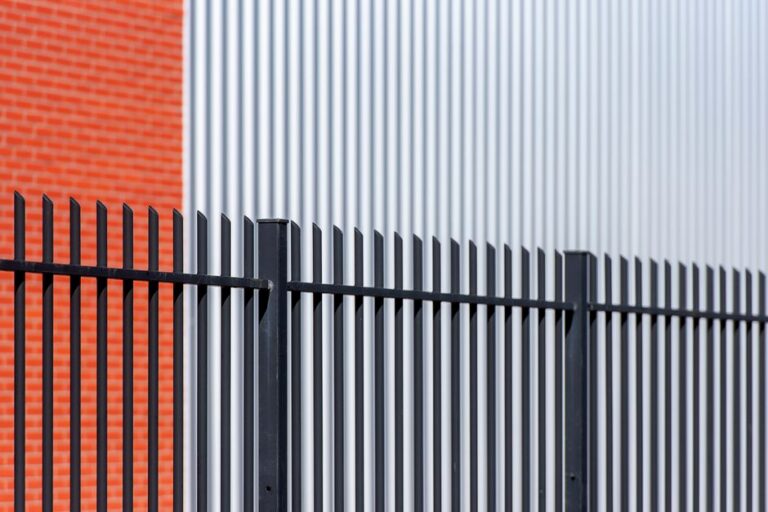
If privacy is not your primary concern and you want a fence that adds curb appeal without the maintenance headaches of wrought iron, aluminum is an outstanding choice for New Orleans properties. Aluminum fencing offers a clean, elegant appearance that complements the architectural character of neighborhoods across the city — from Uptown to Lakeview to the suburbs of Metairie and Kenner.
The biggest advantage of aluminum over traditional iron is that it does not rust. In a city where humidity regularly hovers above 75 percent, that matters. Aluminum fencing is powder-coated at the factory, giving it a durable finish that resists corrosion, chipping, and fading for decades.
Installed costs for aluminum fencing typically range from $25 to $40 per linear foot. It is lightweight, relatively easy to install, and works well on properties with uneven terrain — a common issue across the New Orleans area due to shifting soils and varied lot grades.
Aluminum fencing is especially popular for pool enclosures (where it meets most local code requirements), front yard decorative borders, and commercial properties that need a professional perimeter without obstructing sight lines.
Chain Link Fencing: The Budget-Friendly Workhorse
Chain link fencing remains one of the most practical and affordable options for both residential and commercial properties in the New Orleans area. With installed costs averaging $12 to $33 per linear foot, it is the most budget-conscious choice available.
Chain link is inherently resistant to the elements. It will not rot, warp, or attract pests, and galvanized or vinyl-coated chain link offers strong corrosion resistance even in our humid, salt-air-influenced environment. From a storm-resistance perspective, chain link has a notable advantage: wind passes directly through the open mesh, which means it is far less likely to be damaged or blown down during hurricane-force winds compared to solid panel fencing.
For commercial properties, construction sites, storage yards, and athletic facilities across New Orleans, chain link is often the go-to material. Residential buyers who want added privacy can opt for vinyl-coated chain link in black or green, or add privacy slats to reduce visibility through the mesh.
A standard galvanized chain link fence can easily last 20 years or more with minimal maintenance — occasional tightening of tension bands and a check for rust spots is typically all that is needed.
Wrought Iron Fencing: Timeless Beauty for the Crescent City
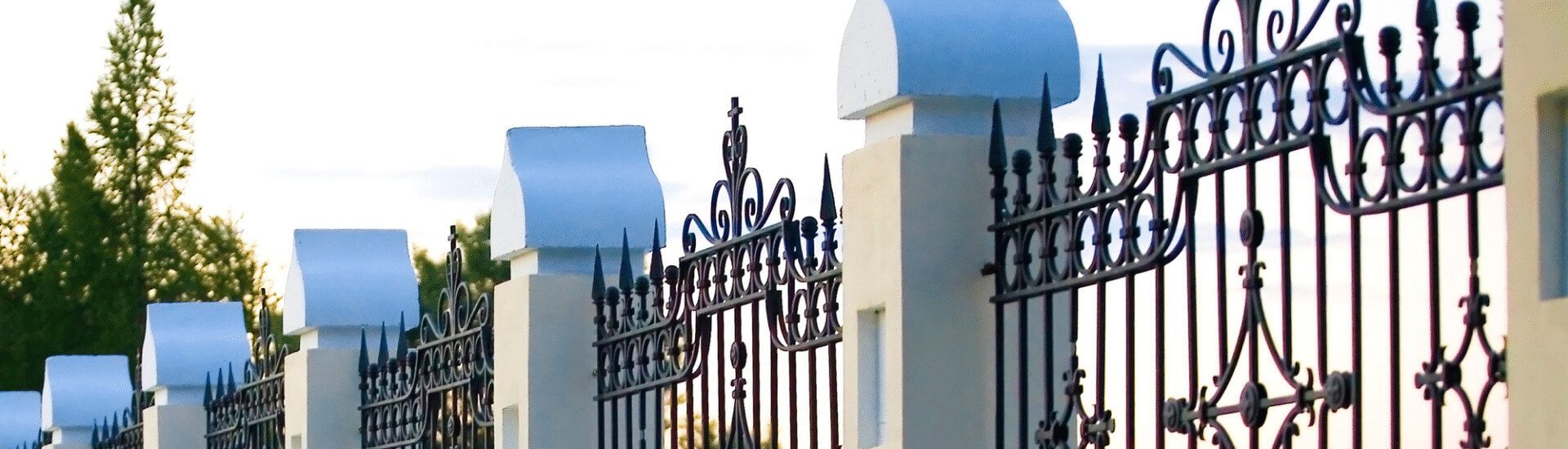
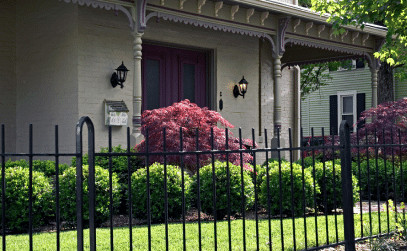
No discussion of fencing in New Orleans would be complete without wrought iron. It is woven into the very identity of the city, from the ornate railings of the French Quarter to the stately property fences of the Garden District. For homeowners and property owners who want to honor that tradition, wrought iron delivers unmatched elegance and strength.
Wrought iron is the most durable fencing material available in terms of sheer structural strength. It can withstand significant impact and provides excellent security. Custom designs — from fleur-de-lis finials to scrollwork panels — allow you to create a fence that is truly one of a kind.
The downside is maintenance. Wrought iron is susceptible to rust, and in New Orleans, that process accelerates quickly without proper care. Plan on inspecting your iron fence annually, sanding down any rust spots, and applying a rust-inhibiting primer and paint every three to five years. It is also the most expensive fencing option, with custom installations often exceeding $50 per linear foot.
For buyers who love the look of iron but want less upkeep, aluminum fencing designed to mimic wrought iron styling offers a compelling alternative at a lower cost and maintenance burden.
Composite Fencing: The Modern Alternative
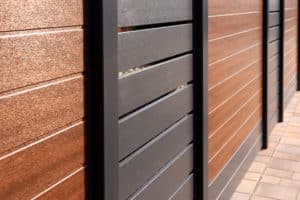
Composite fencing — made from a blend of recycled wood fibers and plastic polymers — is gaining traction across the New Orleans market. It offers the warm appearance of wood with the low-maintenance performance of vinyl. Composite materials resist moisture, insects, UV damage, and temperature fluctuations without requiring staining, painting, or sealing.
While composite fencing carries a higher upfront cost than wood, its longevity and near-zero maintenance requirements make it an attractive option for property owners who want a set-it-and-forget-it solution built for Louisiana weather.
How to Choose the Right Material for Your Project
Selecting the best fence material comes down to balancing four factors: your budget, your maintenance tolerance, the primary purpose of the fence (privacy, security, aesthetics, or a combination), and how long you plan to own the property.
For maximum privacy at the lowest cost, pressure-treated wood is a solid starting point. For long-term value with minimal upkeep, vinyl or composite materials are hard to beat. If elegance and curb appeal are the priority, aluminum or wrought iron will deliver. And for sheer affordability and storm resilience on commercial or utility applications, chain link remains the practical standard.
No matter which material you choose, sourcing quality products from a knowledgeable local supplier makes all the difference. Big Easy Fence Supply carries a full range of wood, vinyl, aluminum, chain link, and iron fencing materials — plus the hardware, posts, and accessories you need for a complete installation. Our team can help you estimate materials, compare options, and make sure you have everything you need before your project starts.
Frequently Asked Questions
What Is the Best Fence Material for New Orleans Humidity?
Vinyl and aluminum are the top performers in high-humidity environments because they are completely immune to rot, warping, and insect damage. Among wood options, Western Red Cedar and Louisiana cypress offer the best natural resistance to moisture. Pressure-treated pine also performs well when maintained with regular sealing.
How Much Does a New Fence Cost per Foot in New Orleans?
Costs vary by material: chain link runs approximately $12 to $33 per linear foot installed, wood ranges from $20 to $35, vinyl and aluminum fall between $25 and $45, and custom wrought iron can exceed $50 per linear foot. Material costs alone are lower if you plan to self-install.
Which Fence Material Lasts the Longest in Louisiana?
Aluminum and vinyl fences typically offer the longest lifespans — often 25 to 30 years or more — because they resist moisture, UV damage, and temperature swings. Wrought iron can last even longer with diligent rust prevention. Wood fences average 15 to 20 years with proper maintenance.
What Type of Fence Is Most Resistant to Hurricanes?
Chain link fencing is the most wind-resistant option because its open mesh design allows wind to pass through rather than catching it like a sail. Aluminum fencing also performs well in storms due to its lightweight flexibility. Solid wood and vinyl panels are more vulnerable to high winds unless rated for hurricane conditions and properly anchored.
Does Big Easy Fence Supply Deliver Fencing Materials?
Big Easy Fence Supply serves homeowners, contractors, and commercial buyers across the Greater New Orleans area. Contact our team to discuss your project, get a materials estimate, and learn about available delivery and pickup options for your fence supplies.
Ready to start your fencing project? Big Easy Fence Supply has the materials, expertise, and local knowledge to help you build a fence that stands up to everything New Orleans throws at it. Contact Big Easy Fence Supply today to get started.