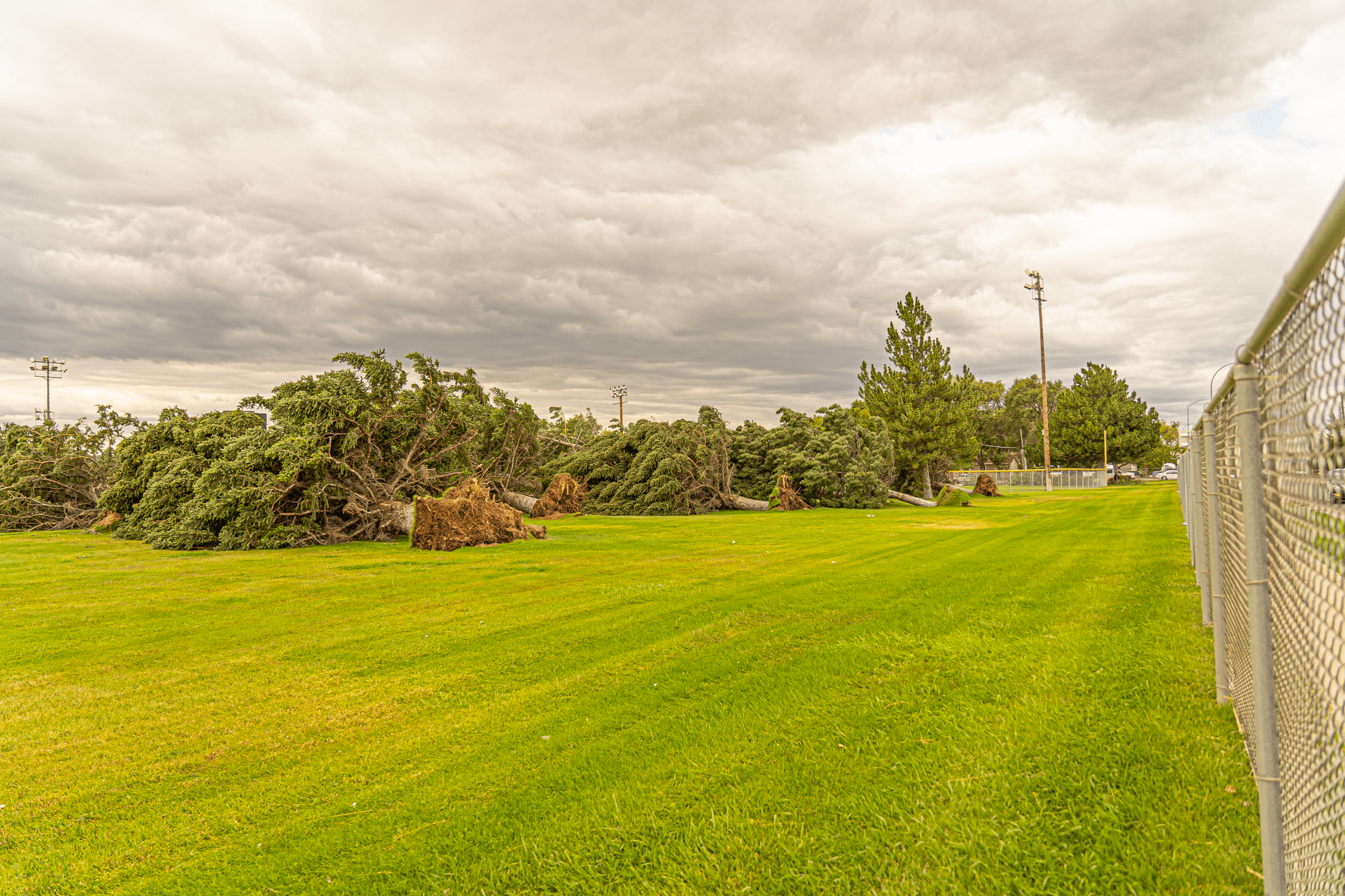
Aluminum fences with open picket designs let hurricane-force wind pass through instead of pushing against a solid surface, which is why they hold up better than privacy fencing during New Orleans storms. Posts set in concrete footings and gate hardware are usually the first points of failure, not the aluminum pickets themselves. Homeowners who inspect and reinforce their fence before hurricane season starts each June 1 avoid most storm-related damage.
New Orleans homeowners know hurricane season brings more than rain. Wind gusts that top 60, 80, even 100 mph test every structure on a property, and fencing takes some of the hardest hits because it stands exposed with nothing to block the gusts. Hurricane resistant fencing New Orleans homeowners can count on needs to do one thing well: let wind move through instead of fighting it. That single design principle explains why some fences survive a named storm intact while others end up in pieces across the yard.
Big Easy Fence Supply installs and repairs aluminum and wrought iron fencing across New Orleans, and hurricane season is when a well-built fence proves its worth. The team has repaired storm-damaged fences all over the city and knows which materials and installation details actually hold up. Visit our homepage to see current styles, or call now if your fence took a hit last season and needs a fast fix.
How Do Aluminum Fences Perform During Hurricane Season in New Orleans?
Aluminum fencing generally performs better than wood or vinyl privacy fencing in hurricane season because its open picket design lets wind pass through instead of pushing against a solid surface. Properly installed aluminum fences with concrete-set posts can hold up against tropical-storm-force winds and many hurricane-force gusts, though flying debris remains a risk for any fence type.
New Orleans sits in one of the most storm-exposed regions in the country. The official Atlantic hurricane season runs June 1 through November 30 each year, according to the National Hurricane Center. During that stretch, sustained winds from tropical storms and hurricanes regularly exceed 39 mph, and a Category 1 hurricane brings sustained winds of 74 to 95 mph. Solid privacy fences act almost like a sail in those conditions, catching the full force of the wind across every panel.
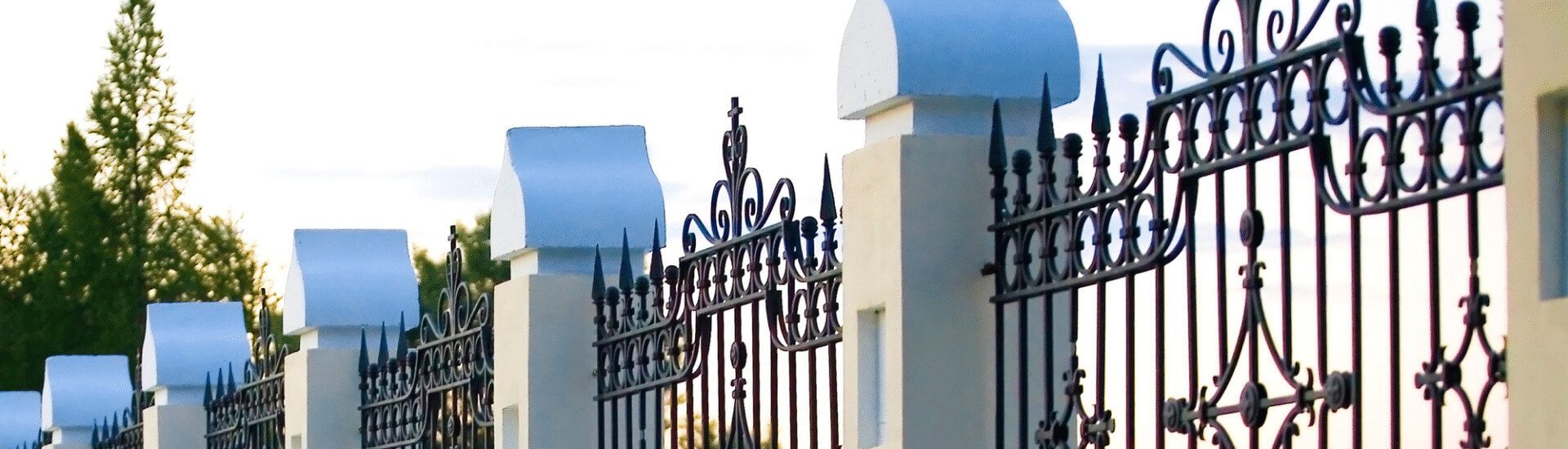
Aluminum fencing sidesteps that problem by design. The narrow vertical pickets used in styles like Specrail and Bennington leave gaps between each bar, so wind slips through the fence line rather than slamming into it. That reduces the pressure on the posts, rails, and footings, which is where most storm damage actually starts. Homeowners can browse current options on the aluminum fencing page.
Why Do Open-Picket Aluminum Fences Resist Wind Better Than Solid Fencing?
Open-picket aluminum fencing resists wind because gaps between the pickets cut the surface area facing the storm, lowering the total wind load the fence has to absorb. Solid panel fencing, including most wood privacy fences, has no gaps, so the full wind force pushes against the posts and footings, often causing them to lean, crack, or snap.
Wind load is the force wind exerts on a surface, and it scales with how much surface area is exposed. A 6-foot-tall solid fence panel gives a hurricane something to push against for its entire length. A picket fence with gaps between the bars can cut that exposed surface by a meaningful margin. That’s why wind-resistant fencing guides consistently point homeowners toward open designs in coastal areas.
The material itself matters too. Aluminum won’t rot, warp, or absorb water the way wood can, so it stays structurally sound even after repeated exposure to wind-driven rain. Homeowners weighing styles for a storm-prone yard can compare current options on the residential aluminum fencing page.
What Parts of a Fence Fail First When a Hurricane Hits?
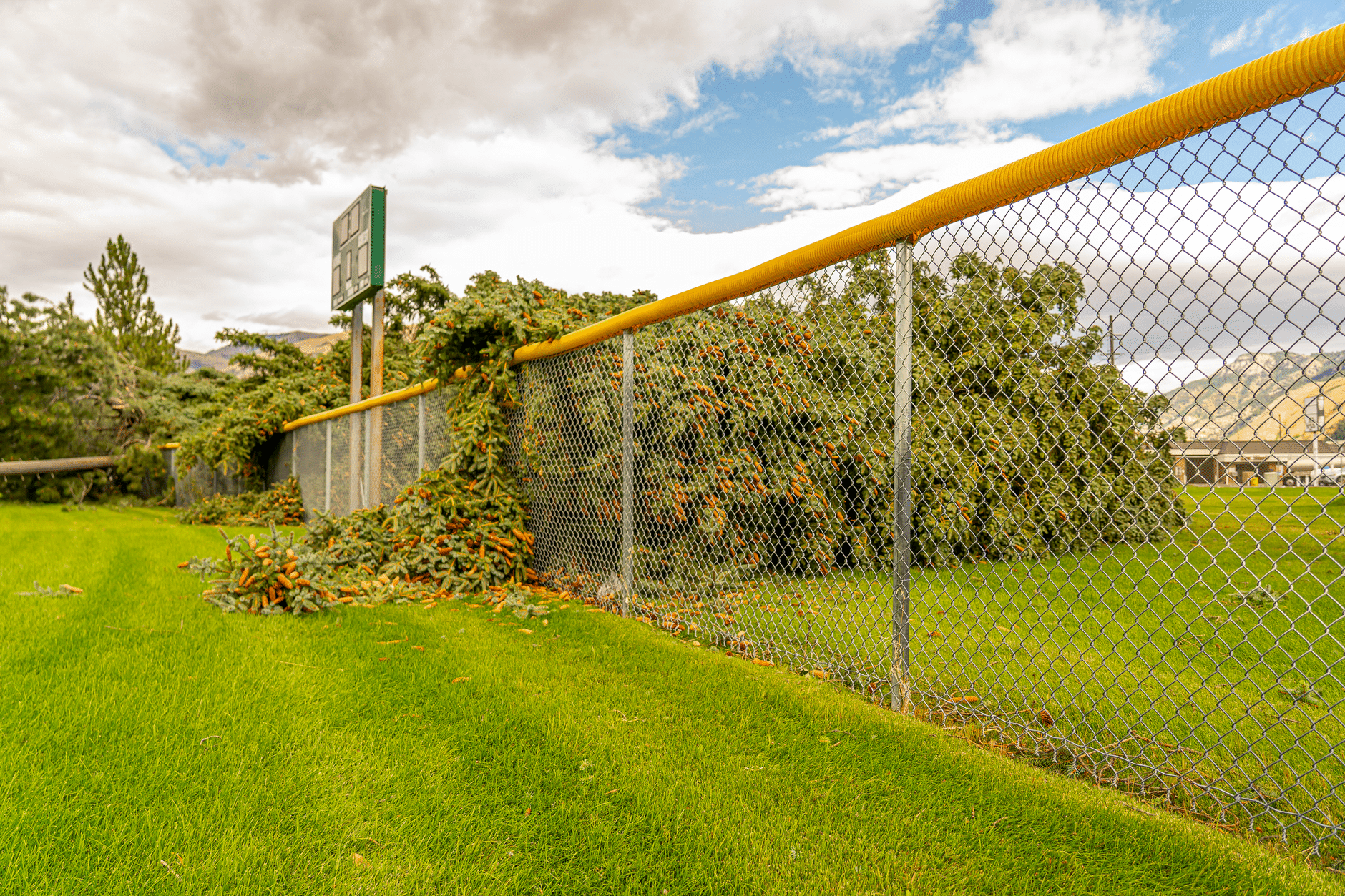
Fence posts and footings usually fail first in a hurricane, especially if they weren’t set deep enough or the ground around them has eroded from heavy rain. Gates are the next weak point because hinges and latches take repeated stress from wind gusts. Flying debris such as tree limbs can dent or snap pickets on any fence, aluminum included.
Post depth matters more than most homeowners realize. A post set only 18 inches into loose or saturated soil has far less holding power than one set deeper in properly cured concrete. New Orleans’ clay-heavy, moisture-retentive soil compounds the problem, since saturated ground loses much of its grip on a post during a storm.
Gates and latches see repeated stress every time wind pushes them open and shut, so hardware failure is common even on fences that otherwise hold up fine. Loose patio furniture, trash cans, and debris from neighboring yards are also a real threat, since a wind-driven object can dent even a well-built aluminum panel.
A quick inspection now can catch a problem before it becomes storm damage. Call 504-608-7730 for a free fence estimate and get peace of mind before the next storm rolls in.
How Can You Prepare Your Fence Before Hurricane Season Arrives?
Preparing a fence for hurricane season means checking posts for looseness, tightening loose gate hardware, and clearing debris from the yard. It also means confirming that footings are solid and free of erosion. Doing this walk-through before June 1 each year, when the Atlantic hurricane season officially begins, gives homeowners time to fix small issues before they become storm damage.
A short pre-season checklist covers most of what matters:
- Walk the fence line and push on each post to check for movement or looseness
- Inspect gate hinges, latches, and hardware for rust or wear
- Clear tree limbs, patio furniture, and loose objects that could become airborne debris
- Look for gaps at the base where erosion may have exposed a footing
- Note any leaning sections or damaged pickets for repair before storm activity peaks
Catching a loose post in June is a far smaller fix than replacing an entire section after a named storm rolls through in September. Homeowners comparing materials before a repair or upgrade can start with the fence materials buyer’s guide.
What Should You Do to Assess Damage After a Storm?
After a storm passes, walk the fence line looking for leaning posts, cracked footings, bent or missing pickets, and gates that no longer close properly. Stay off downed fencing near power lines until it’s confirmed safe. Photograph any damage for insurance purposes, then call a fence repair company promptly, since storm season brings a surge in repair requests.
Storm damage isn’t always obvious from a distance. A post can look fine but be cracked below the soil line, and a gate that still swings might have hardware that’s about to fail. Checking every section methodically, rather than a quick glance from the porch, catches problems before they turn into bigger repairs.
This is also where a fast-response guarantee matters. A fence damaged during a hurricane or major storm often needs fast securing or replacement, both for security and curb appeal while other repairs continue. Homeowners planning a full replacement after storm damage can pull ideas from the modern fence design guide.
Why Should You Make Sure Your Fence Is Storm-Ready?
A hurricane resistant fence protects more than curb appeal. It keeps pets and kids contained, keeps the property secure while you’re away, and saves the cost of a full replacement after every storm season. Aluminum’s open-picket design, deep-set posts, and solid hardware are the three things that make the biggest difference between a fence that survives and one that doesn’t.
Big Easy Fence Supply has repaired and replaced storm-damaged fencing across New Orleans, and the 24-Hour Fence Replacement Guarantee means a compromised fence doesn’t have to sit broken for weeks while you wait on a contractor.
Ready to storm-proof your fence before the next named system forms in the Gulf? Contact Big Easy Fence Supply or call 504-608-7730 for a free estimate today.
Frequently Asked Questions
When does hurricane season start in New Orleans?
The Atlantic hurricane season runs from June 1 through November 30 each year, according to the National Hurricane Center. New Orleans typically sees its highest storm activity between August and October. Homeowners should schedule fence inspections before the season begins in June.
Can aluminum fences really survive hurricane-force winds?
Properly installed aluminum fencing with concrete-set posts can hold up through many hurricane-force wind events because its open picket design lets wind pass through instead of pushing against the fence. No fence is guaranteed to survive a direct hit from a major hurricane, but aluminum consistently outperforms solid privacy fencing.
Is aluminum fencing better than wood for storm-prone areas?
Aluminum fencing generally holds up better than wood or solid vinyl privacy fencing in Gulf Coast storms because it doesn’t warp, rot, or trap wind the way solid panels do. Styles like Specrail and Bennington use open picket designs built for wind exposure. Wood privacy fences see far more storm damage each season by comparison.
What should I do if my fence is damaged after a storm?
Photograph all damage for insurance records before starting cleanup, a step FEMA recommends after any named storm. Confirm no downed power lines are touching the fence before approaching it, then call a local fence contractor for a repair estimate. Fast response matters most in the weeks after a storm when repair requests spike across the region.
How deep should fence posts be set to survive high winds?
Most contractors recommend setting posts well into properly cured concrete footings for wind-prone properties. Louisiana’s clay-heavy soil holds less firmly than sandy or rocky ground, so solid footings matter more here than in many other states. Shallow-set posts are one of the most common causes of fence failure during a hurricane.
Do gaps between pickets actually make a fence stronger in wind?
Yes, gaps between pickets reduce the surface area facing the wind, which lowers the total wind load on the posts and footings. Solid panel fences act like a sail and catch the full force of a gust across their whole surface. This is why open picket styles are a common recommendation for coastal cities like New Orleans.