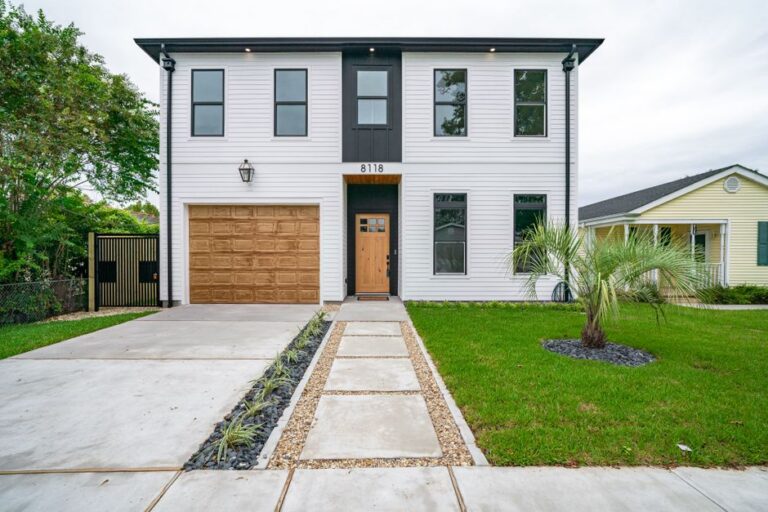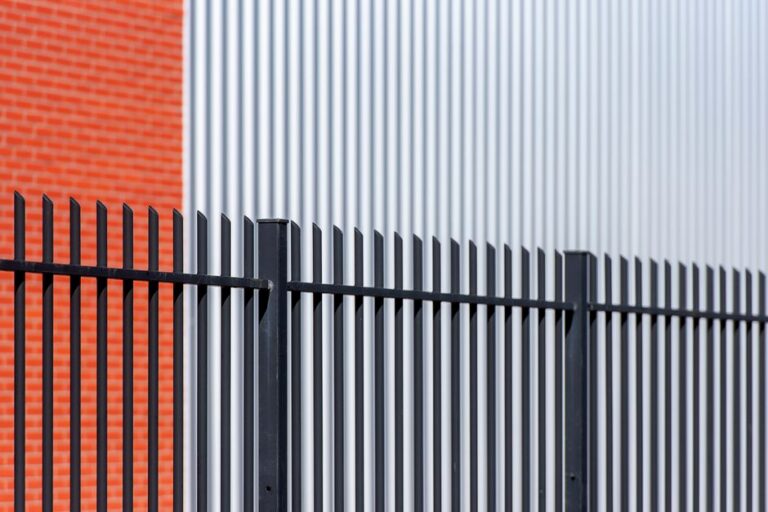
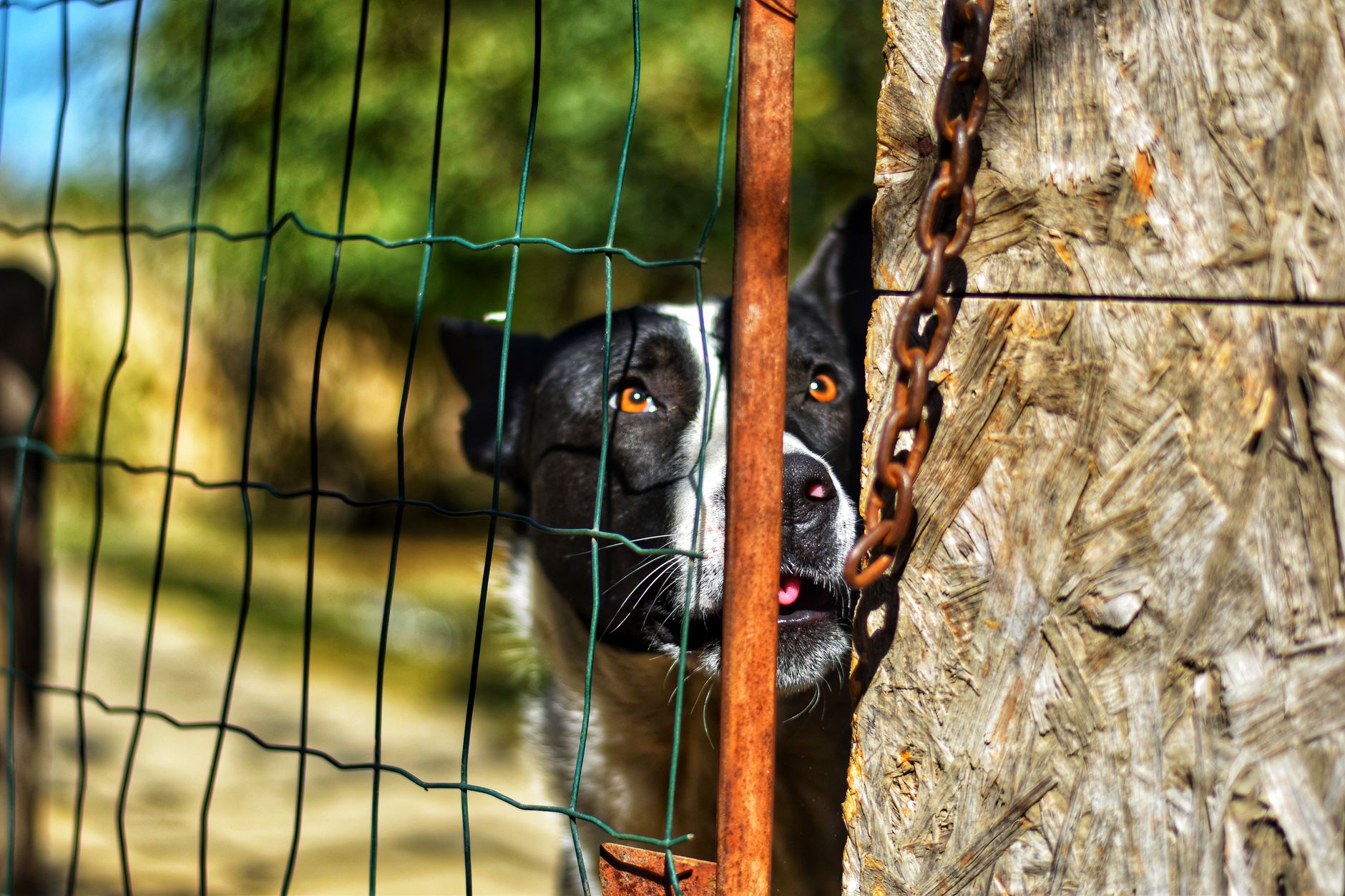
Dogs escape through gaps a “normal” fence design misses, jump low panels, or slip out through gates that do not latch shut. This guide walks New Orleans dog owners through picket spacing, fence height, and gate latch choices in aluminum and wrought iron that keep pets contained safely.
A pet friendly fence dogs New Orleans owners can rely on starts with picket spacing, not paint color or panel style. Small breeds like dachshunds, terriers, and Chihuahuas can squeeze through gaps that look narrow enough on paper but are not narrow enough in practice. Bigger dogs test a different weak point: horizontal rails that work like a ladder for anything that likes to climb or jump. The right combination of aluminum and wrought iron fencing closes both gaps at once, whether you have a dachshund or a Lab mix that treats fences as a suggestion.
Big Easy Fence Supply builds custom aluminum and wrought iron fences for New Orleans yards, and pet containment is one of the most common reasons homeowners call. Owners often reach out only after a previous fence already let a determined dog get loose once. Below is a breakdown of the spacing, height, and gate details that matter most for dog owners, plus a few general yard safety habits worth building alongside a new fence.
What Makes a Fence Truly Pet Friendly for New Orleans Dogs?
A pet friendly fence combines picket spacing narrow enough to stop small dogs from squeezing through and a height tall enough to stop jumping. It also needs a gate latch a dog cannot nose or paw open, sized to the dog living in the yard. Aluminum and wrought iron both meet these needs when specified correctly. Neither material is automatically safer than the other; the details of the design decide whether a dog stays in the yard. Comparing the two side by side, as this aluminum vs. wrought iron fencing guide breaks down, helps homeowners match material to their dog’s size and energy level. A quiet, low-energy senior dog needs less engineering than a young dog that paces the fence line looking for a way out.
How Much Picket Spacing Do You Need to Keep Small Dogs Contained?
Picket spacing of 2 to 3 inches or less keeps most small and medium dogs from squeezing through an aluminum or wrought iron fence. Tighter spacing options exist for toy breeds or dogs known for finding gaps other dogs would ignore. Measure the gap between pickets, not just the overall panel style, since some decorative patterns leave wider openings near the bottom rail. A dog that gets its head through a gap usually gets the rest of its body through too. Puppies and lightweight breeds need the tightest spacing available, while larger, heavier dogs are often stopped by standard spacing alone. Measuring before ordering matters more than picking a style off a catalog page, since two panels that look identical from the street can carry different gap widths.

- Toy and small breeds (under 20 lbs): 2 inches or less between pickets
- Medium breeds (20-50 lbs): 2 to 3 inches
- Large breeds (50+ lbs): standard 3-4 inch spacing is usually enough, though jumping matters more than spacing
- Multi-dog households: size spacing to the smallest dog in the yard
What Fence Height Stops Dogs from Jumping Over?
Most dogs stay contained behind a 4-foot fence, but athletic breeds and dogs under 40 pounds that like to jump often need 5 to 6 feet. Height needs also depend on what sits near the fence line, since a stacked storage bin or patio table can turn a short fence into a launching pad. Wrought iron and aluminum panels both come in taller residential heights without losing the open sightlines dog owners often want. For a full breakdown of height rules and property line requirements in Louisiana, this fence height guide covers the code side of the decision.
Ready to stop the guesswork? A quick conversation about your dog’s size and habits is enough to recommend the right spacing, height, and gate hardware for your yard.
Should You Choose Aluminum or Wrought Iron for a Dog Owner’s Yard?
Both aluminum and wrought iron work well for dog owners, and the better choice usually comes down to budget and style, not one material being more secure. Either one stops a determined dog once spacing and height are sized correctly. Big Easy Fence Supply’s residential aluminum fencing resists rust in New Orleans humidity and costs less to install across a large yard. Wrought iron offers a heavier, traditional look and handles extra stress from big dogs pushing against it, and the residential wrought iron fencing line comes in the same tight-spacing options.
For homeowners who want wrought iron’s security without losing curb appeal, this guide to elegant wrought iron fencing shows real yard examples built for both.
What Gate Latch Keeps Dogs from Escaping?
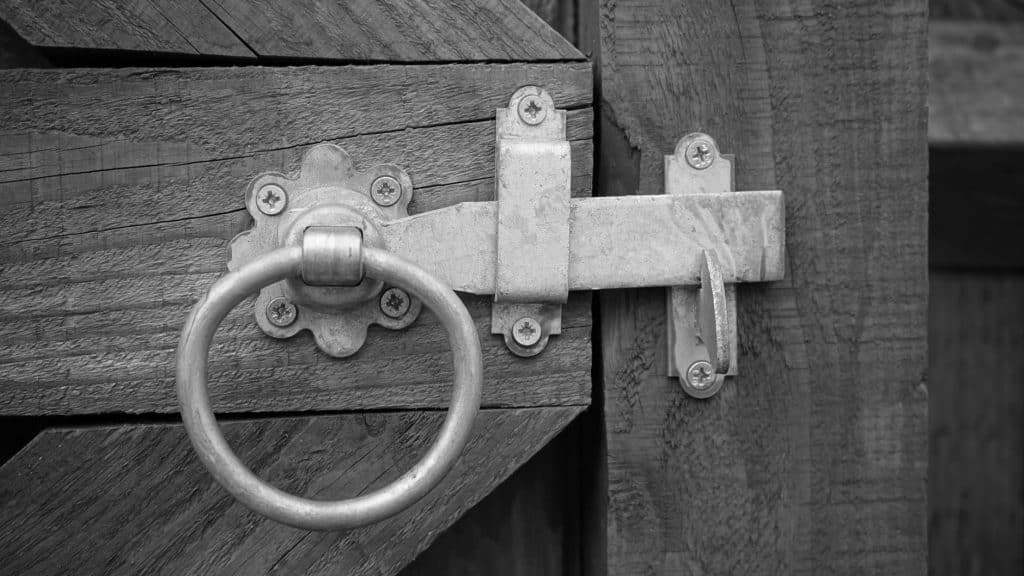
A self-latching, self-closing gate with a latch a dog cannot reach or paw open is the single most important upgrade for pet containment. Most dog escapes happen through a gate left ajar rather than over or under the fence panels themselves. Look for latches mounted at least 40 inches high, out of reach for dogs that stand on their hind legs. Spring-loaded hinges close the gate automatically if someone forgets, which matters most in households with kids running in and out. Pairing the right latch with the right hardware is covered in detail in this gate hardware and accessories guide.
Already picturing the gate that finally stops the escapes? A short site visit is enough to recommend latch height, hinge type, and spacing for your specific dog.
What Other Yard Safety Tips Help Protect Pets?
Beyond the fence itself, dog owners should check for gaps under gates, clear away any stacked yard items near the fence line that could work as a climbing aid, and inspect the yard after storms. Fallen branches and shifted soil after heavy rain create new escape routes fast. Standing water can also erode soil under a fence base, widening gaps at ground level over time. A quick perimeter check after any major storm catches problems before a dog finds them first. Digging is another common escape route, so a buried wire skirt or a paver strip along the fence base stops dogs that dig rather than jump. Professional installation reduces most of these risks from the start, and this DIY vs. professional installation guide explains where the tradeoffs are worth considering.
Frequently Asked Questions
What picket spacing is safest for small dogs?
For toy breeds and dachshunds, look for aluminum or wrought iron pickets spaced 2 inches apart or less. Custom spacing is available for New Orleans yards with small dogs, so standard panel widths never have to be the limiting factor.
How tall should a fence be to stop a dog from jumping?
Four feet contains most dogs, but breeds like Labradors, Huskies, and other athletic jumpers often need 5 to 6 feet. Louisiana property line rules also affect how tall a residential fence can go, so check local code before ordering panels.
Can wrought iron fences hurt a dog’s paws or nose?
Properly finished wrought iron and aluminum fencing has no sharp edges at dog height when it is powder-coated for a smooth finish. Problems usually come from damaged or rusted panels, not the material itself, especially after Louisiana’s humid summers.
What is the best gate latch for keeping dogs contained?
A self-closing, self-latching gate with the latch mounted at least 40 inches high works best for New Orleans dog owners. Spring hinges close the gate automatically, which matters most in households near busy streets like Magazine Street or St. Charles Avenue.
Do aluminum fences rust in New Orleans humidity?
Aluminum resists rust even in New Orleans humidity, which is one reason it stays popular across Jefferson Parish and Orleans Parish yards. Wrought iron needs occasional maintenance to prevent rust, especially near the coast.
How much does pet-friendly fencing typically cost?
Cost depends on material, yard size, and spacing, since tighter picket spacing for small dogs can affect panel pricing. Big Easy Fence Supply provides free on-site quotes for Greater New Orleans homeowners, including Fence Now, Pay Later financing.
Ready for a Fence Your Dog Cannot Escape?
Picket spacing, fence height, and gate latches work together, not separately, to keep a dog safely in the yard. Aluminum and wrought iron both deliver on all three when the details are sized to the dog living behind the fence, and neither material forces a tradeoff between security and curb appeal. Big Easy Fence Supply designs and installs pet-focused fencing across the Greater New Orleans area, backed by a 24-hour fence replacement guarantee and Fence Now, Pay Later financing.
Ready to Fence Off a Safer Yard for Your Dog?
Get spacing, height, and gate hardware sized to your dog, backed by our 24-Hour Fence Replacement Guarantee and Fence Now, Pay Later financing.
Call 504-608-7730 or contact us online.