A line post is the standard upright post spaced evenly along a straight run of fence, and it only has to hold panels on two sides pulling in opposite, balancing directions. Because the tension from each side cancels out, line posts carry the lightest structural load on the fence. Spacing between them is usually set by the panel width the manufacturer builds to, so the posts and panels line up without extra cutting.
On a long straight run, line posts repeat the same job over and over: hold the panel up, keep it plumb, and pass the load down into the ground. That simplicity is also why a homeowner walking a property line can usually spot line posts without help. They are the posts that do not change direction, do not carry a gate, and do not sit at a corner.
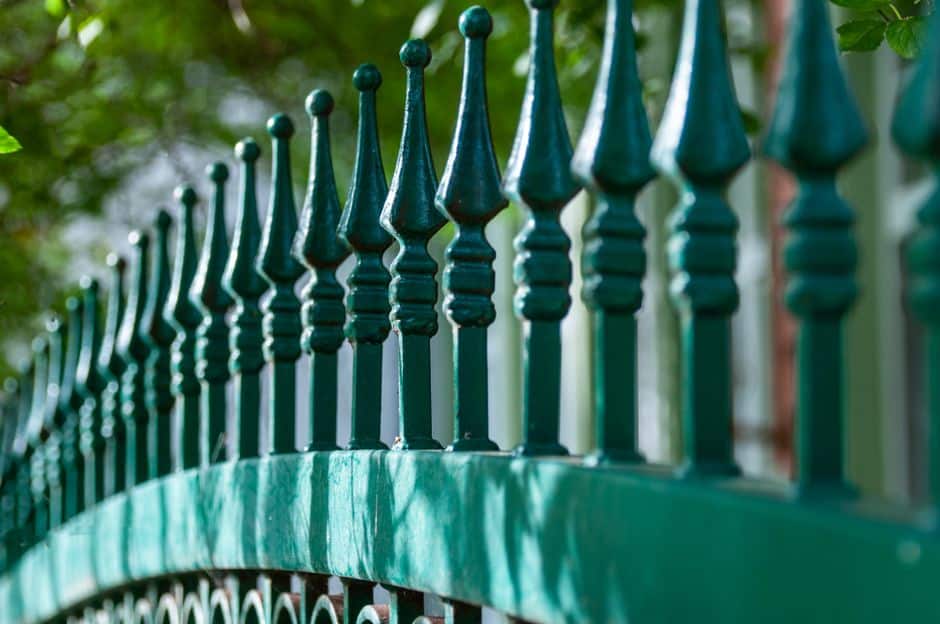
A corner post sits where a fence line changes direction, so it takes pull from two panels at an angle instead of two panels in a straight line, which puts more sideways stress on the post and the footing around it. That angled pull is why corner posts are often set with a larger footing than a line post gets, even on the same fence run.
Skipping that extra reinforcement is one of the more common shortcuts on amateur installs, and it shows up later as a leaning corner. A corner that leans even slightly pulls the two attached panels out of alignment, which can throw off gate clearance if a gate sits nearby. Big Easy Fence Supply sets corner posts to match the angle and load of the specific layout rather than using a one-size approach across the whole property.
An end post sits at the point where a fence run stops, such as where it meets a wall, a building, or a gate opening, and it only carries panel load from one side instead of two. Because the pull is one-directional, an end post takes a steady sideways tug that a line post never feels, since a line post has panels balancing it from both directions.
End posts show up more often than people expect. Every gate opening creates an end post on each side, every wall tie-in creates one, and every spot where a fence transitions from one material or height to another usually needs one too. A property with several gates or transitions will have more end posts than straight-run fence length would suggest.
Talk to Big Easy Fence Supply about a layout before materials are ordered, and the team can flag exactly how many end posts a specific property will need.

A gate post carries the full swinging weight of a gate panel plus repeated hinge stress every time the gate opens and closes, which makes it the hardest-working post type on the fence. That combination of static weight and constant motion is why gate posts typically go in with a deeper or wider footing than any other post on the run.
A driveway gate puts more demand on its posts than a walk gate, simply because the panel is larger and heavier. Automated gates add another layer, since a motor pushing or swinging the gate hundreds of times a year puts repeated stress on the same hinge points. A gate post that was undersized for the job tends to show it first as sag, where the far edge of the gate drops and starts dragging or scraping.
Both aluminum and wrought iron fencing use the same four post categories, line, corner, end, and gate, because the structural demands come from the fence layout itself rather than the metal. What differs between the two materials is how the post connects to the panel and how it is finished, not which post goes where.
Aluminum posts on residential lines like the Bennington series are built to bolt or set into pre-formed panel brackets, which keeps installation consistent across a long run. Wrought iron posts are more often welded or pinned to the panel for a rigid, traditional look, which suits historic New Orleans properties where wrought iron is common. Either way, the same corner, end, and gate reinforcement rules apply.
Using a line post where a corner, end, or gate post belongs is one of the fastest ways for a new fence to develop leaning corners, sagging gates, or panels that pull loose from their brackets. The failure rarely shows up on installation day. It shows up months later, after wind, gate use, or ground settling has tested the joint repeatedly.
A fence installed with the right post in the right spot spreads that stress out the way it was designed to. That is the difference a correct layout plan makes before the first post ever goes in the ground.
Getting post placement right at the start keeps an aluminum or wrought iron fence line straight, keeps gates swinging cleanly, and avoids the kind of early repair calls that come from an undersized corner or gate post. Big Easy Fence Supply plans every fence layout around the correct post type for each spot on the property, from a straight backyard run to a driveway gate.
Call 504-608-7730 or request a free estimate and a member of the team will walk through the post layout for your property before any materials are ordered.
A line post sits along a straight fence run and holds two panels pulling in balanced, opposite directions. A corner post sits where the fence changes direction and takes angled pull from two panels at once, which is why corner posts usually get a larger footing than line posts on the same New Orleans property.
Yes. A gate post carries the full weight of a swinging gate panel plus repeated hinge stress every time it opens, so it typically needs a deeper or wider footing than a line, corner, or end post on the same fence run to keep the gate from sagging.
No. Line, corner, end, and gate posts each carry different loads, and using a line post where a corner or gate post is needed is a common cause of leaning corners and sagging gates on residential and commercial installs alike.
That depends on the number of gates, wall tie-ins, and material transitions on the property, since each one creates an end post on each side. A property with several gate openings will have more end posts than a simple straight-run fence of the same length.
No. Both materials use the same four structural post categories, line, corner, end, and gate. The difference is in how the post attaches to the panel, with aluminum lines like Bennington using bracket connections and wrought iron more often using welded or pinned joints.
Big Easy Fence Supply plans post layouts for aluminum and wrought iron fence lines across the Greater New Orleans area. Call 504-608-7730 or request a free estimate through the contact page to have a layout reviewed before materials are ordered.
Line, corner, end, and gate posts each carry a different job, and mixing them up is one of the most common causes of a leaning fence or a sagging gate down the road. Planning the right post type for each spot before materials are ordered protects the whole fence line.
Big Easy Fence Supply plans post layouts for aluminum and wrought iron fence lines across Greater New Orleans as part of every estimate.
Ready to get your layout reviewed? Request a free estimate or call 504-608-7730 to get started.
Perimeter security fencing is the first line of defense for any home or business, and the material you choose changes how well that line holds. In New Orleans, where humidity, storms, and dense neighborhoods all put pressure on a fence, security fencing needs to do more than mark a boundary. It has to discourage entry, hold up to weather, and still let owners see what is happening on their own property. Aluminum and wrought iron are the two materials that meet those demands without blocking sightlines the way a solid privacy fence would.
Choosing between them for a security application is a different question than choosing between them on cost or looks alone. Big Easy Fence Supply works with homeowners and business owners across the Greater New Orleans area who need a perimeter that actually deters intrusion, not just one that looks good from the street. This guide breaks down how each material performs on the specific factors that matter for security, so the choice fits the property instead of a general rule of thumb.
An effective security fence combines height, spacing that resists climbing, and a gate that locks as securely as the panels around it. Open-picket designs like aluminum and wrought iron work for security because they let property owners and passersby see through the fence line, which removes hiding spots along the perimeter. A fence that blocks sightlines can actually work against security by giving an intruder cover once they are inside the line.
Picket spacing matters as much as height. Both aluminum and wrought iron are typically installed with pickets close enough together that a foothold is hard to find, which slows down anyone trying to climb over. Height adds another layer, since a taller fence takes more time and effort to scale, and time is what most intrusions are trying to avoid.
Aluminum performs well for security because it resists rust, holds its shape without sagging, and comes in styles built specifically for higher-security applications. Big Easy Fence Supply’s Bennington residential aluminum line is available in heights from 36 to 72 inches, so a property owner can choose a taller option along a rear perimeter or a street-facing line where deterrence matters most. The material will not rust or rot the way other metals can in Louisiana’s humidity, which means the fence keeps its structural integrity year after year.
For commercial and industrial sites, aluminum fencing from Big Easy Fence Supply is built to handle a larger footprint without the maintenance burden of painted steel. A powder-coated finish holds up against sun and moisture, so the fence does not weaken at the seams or joints over time. That matters for security, since a corroded post or a sagging rail creates a weak point an intruder can exploit.
Aluminum is also lighter than wrought iron, which makes it practical for longer perimeter runs around commercial and industrial properties. A lighter material does not mean a weaker one. Once anchored in the ground, an aluminum panel holds firm against pushing or prying.
Get a free estimate on perimeter security fencing from Big Easy Fence Supply and find out which height and style fits your property line.
Wrought iron brings mass and rigidity that make it harder to bend or force open, which is why it remains a preferred choice for higher-risk perimeters and historic properties. The material is heavier and denser than aluminum, so pickets resist bending under pressure in a way lighter metals cannot match. That rigidity is a real advantage on a ground-floor perimeter or a gate that takes daily use.
Big Easy Fence Supply offers both residential and commercial wrought iron styles, and many New Orleans homeowners choose it for street-facing sections where the fence also needs to match the architectural character of the neighborhood. The visual weight of wrought iron communicates a level of security on sight, which is itself a deterrent before anyone attempts to test the fence.
The tradeoff is weight and installation complexity. Wrought iron takes more labor to install correctly, and a poorly anchored post undermines the security benefit the material is known for.
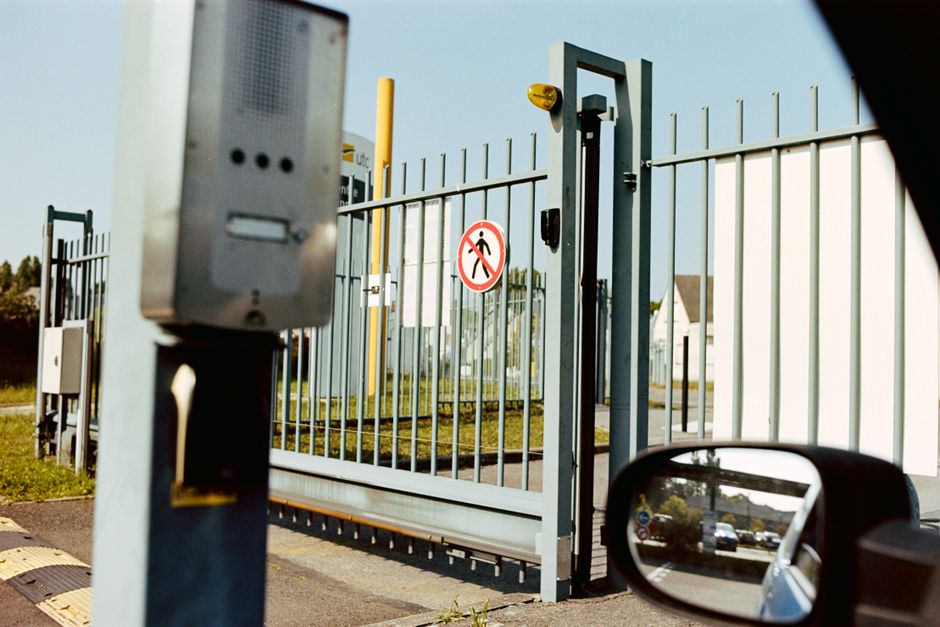
A gate is almost always the first place an intruder tests, so gate hardware and hinge strength matter as much as the fencing material itself. Both aluminum and wrought iron gates can be paired with quality latches and hinges, but the gate needs to match the strength of the fence line around it. A strong fence with a weak gate still leaves the perimeter exposed at its most obvious entry point.
Driveway gates see the most wear of any part of a perimeter system, since they open and close daily and take direct contact from vehicles and foot traffic. Aluminum driveway gates hold up well here because the material does not sag over years of use, keeping the gate aligned and the latch functioning correctly.
Residential properties usually need a fence that deters casual intrusion and defines a clear boundary, while commercial and industrial sites often need a taller, more continuous perimeter with fewer gaps. A home perimeter can often work well at 42 to 48 inches, tall enough to discourage a casual attempt without dominating the yard. Businesses and industrial sites frequently need the taller end of the range, closer to 72 inches, especially along rear and side perimeters that are not visible from the street.
Commercial properties also tend to have longer perimeter runs, which is where aluminum’s lighter weight becomes a practical advantage during installation. Wrought iron remains a strong option for commercial entrances where the material’s visual weight adds to the security impression.
Height should be set by what the fence needs to deter and where it sits on the property, not by a single default number. A fence along a busy street may only need to define the boundary clearly, while a rear perimeter bordering an alley or vacant lot often benefits from extra height and tighter picket spacing.
Style plays a role too. A taller Bennington aluminum fence in a darker finish reads as more of a security barrier than a shorter, lighter option, even at the same height. Wrought iron carries that same visual weight naturally.
Aluminum and wrought iron both hold up as real security options for New Orleans homes and businesses, and the right choice usually comes down to the size of the perimeter, the level of deterrence needed, and how much weight the property’s look can carry. Big Easy Fence Supply installs both materials across the Greater New Orleans area and can walk through which one fits a specific property line.
Contact Big Easy Fence Supply for a free estimate, or call 504-608-7730 to talk through height, gate hardware, and material options for your perimeter.
Yes, aluminum fencing built for security applications uses reinforced posts and rails that resist prying and impact. Big Easy Fence Supply’s Bennington line comes in heights up to 72 inches, and the powder-coated finish resists corrosion, so the structural strength holds up over years of exposure in New Orleans.
Wrought iron offers more rigidity due to its weight, making it harder to bend under force. Aluminum offers strength with less weight and lower maintenance. Neither material is universally better for security. The right choice depends on perimeter length, gate use, and whether the property is residential or commercial.
Residential perimeters commonly run 42 to 48 inches, while commercial and industrial sites often use taller options up to 72 inches. Rear and side perimeters that are less visible from the street usually benefit from the taller end of that range for stronger deterrence.
Yes, both materials can be fitted with a locking gate and hardware suited to the property. Driveway gates in particular need hinges and latches matched to daily use, and Big Easy Fence Supply can recommend hardware options during an estimate.
Humidity can weaken metal fencing that is not treated for the climate, since rust and corrosion create weak points at joints and posts. Big Easy Fence Supply’s aluminum and wrought iron products are finished to resist New Orleans humidity, which keeps the perimeter structurally sound over time.
Wrought iron works well for commercial entrances and front-facing perimeters where its visual weight adds to the security impression. For long perimeter runs around larger commercial or industrial sites, many owners pair wrought iron at the entrance with aluminum along the rest of the boundary.
Height, spacing, and a well-anchored gate do more for security than material choice alone, and both aluminum and wrought iron can be built into a real perimeter security plan when they are sized correctly for the property.
Big Easy Fence Supply installs both materials across the Greater New Orleans area and can recommend the height and gate setup that fits a specific perimeter.
Ready to secure your property line? Request a free estimate or call 504-608-7730 to talk through your options.
Fence post spacing and setting depth decide whether a fence stays straight for years or starts leaning after one wet season. In most parts of the country, installers can follow a standard spacing chart and a fixed hole depth. New Orleans soil does not cooperate with standard charts, and that is why post spacing and depth deserve more attention here than almost anywhere else.
The ground under most New Orleans yards is soft, high in clay, and holds water close to the surface for long stretches of the year. Big Easy Fence Supply works with this soil condition on aluminum and wrought iron installations across the metro area, and a quick call to the team can get a property evaluated before any holes are dug.
New Orleans sits on soft, water-saturated clay and alluvial soil that shifts more than the firmer, well-drained soil found in most of the country, so posts need deeper footings and closer spacing to stay upright. This soil type expands when wet and contracts when dry, which puts steady pressure on anything set into it. A post that would hold fine in sandy or rocky ground can work loose here within a season or two if it was set the way a generic instruction sheet describes.
Because the water table sits close to the surface in much of the city, fence contractors also have to think about drainage around each post, not just depth. Standing water around a footing softens the soil further and speeds up the loosening process.
Neighborhoods built on older fill or reclaimed low ground tend to see this problem more than areas on naturally higher elevation. A homeowner in one of these neighborhoods may notice a fence post loosen years before a similar post would show wear on firmer ground across town. That difference is exactly why a generic spacing chart written for national conditions falls short here, and why local experience with New Orleans soil carries real weight during planning.

Closer post spacing distributes wind and panel weight across more support points, which matters more in soft soil where each individual post has less natural resistance to leaning. A wider spacing interval that works on firm ground asks more of each post, and soft soil cannot always deliver that extra holding power.
For aluminum panel fencing, spacing is usually tied to the manufactured panel width, so there is less flexibility than with a custom wrought iron run. Wrought iron sections built to order allow more control over spacing, which is one reason a site evaluation matters before ordering materials.
Get a free estimate from Big Easy Fence Supply before finalizing spacing on a New Orleans property, since soil conditions can vary even within one yard.
Setting depth in New Orleans generally needs to go deeper than standard charts suggest, with a concrete footing sized to the soil condition and local frost and wind expectations rather than a one-size-fits-all number. There is no single depth that fits every yard, since soil composition changes from block to block and even from the front yard to the back.
A shallow footing might hold for a while, but the freeze-thaw cycle is rarely the real threat here. The bigger risk is repeated wet-dry cycling in clay soil, which slowly works a shallow post loose over several seasons. That is why a professional site evaluation, rather than a generic online chart, is the safer starting point for setting depth on any New Orleans property.
End posts, gate posts, and corner posts usually carry more load than the posts running along a straight panel line, so they often call for a deeper or wider footing than the rest of the run. Gates in particular put repeated stress on their supporting posts every time they swing open and close, which adds up over years of daily use. A site evaluation accounts for these higher-load points separately from the standard spacing along the fence, rather than treating every post the same way.

Concrete footings anchor each post against the lateral pressure that soft, shifting soil puts on a fence line, and the footing size needs to match both the post material and the soil condition at each specific location. Aluminum posts and wrought iron posts carry different weight loads, so footing requirements are not identical between the two materials.
Concrete alone does not solve every soil problem. Without adequate drainage around the footing, water can still collect at the base of the post and undermine the surrounding soil over time. That is why footing placement and drainage planning tend to go together on a properly installed fence.
Good drainage keeps water from pooling around a fence post base, which protects the surrounding soil from the repeated softening that leads to leaning or shifting posts over time. In low-lying yards or areas near a property’s natural runoff path, this matters even more than it does on higher, better-drained ground.
Grading a slight slope away from the post line, or accounting for known drainage patterns before digging, reduces the amount of water that sits against each footing. This step is often overlooked, but it can extend the useful life of an otherwise well-installed fence.
Because soil conditions vary block by block across New Orleans, a walk-through site evaluation before installation gives a more reliable spacing and depth plan than following a generic national chart. Two neighboring yards can have noticeably different soil behavior depending on drainage history, past fill work, or proximity to water.
Big Easy Fence Supply evaluates each property before finalizing a materials order, which helps set realistic expectations for spacing and depth ahead of installation day. Explore aluminum and wrought iron fencing options to see which style fits the property before scheduling that evaluation.
Aluminum fence spacing is usually set by the manufactured panel width, giving less flexibility once a product line is chosen. Wrought iron sections can be built to a custom spacing plan, which gives more room to adjust for soil conditions on a specific property before ordering materials.
A standard national depth chart does not account for New Orleans’ soft, water-heavy clay soil, which behaves differently than the firmer ground those charts are usually written for. A site evaluation from a local installer like Big Easy Fence Supply gives a more accurate depth recommendation.
Posts set too shallow in New Orleans clay soil tend to loosen gradually as the ground expands and contracts through wet and dry cycles. Over one or two seasons, this can show up as a leaning post, a shifting gate, or panels that no longer sit level.
Yes. Standing water around a post base softens the surrounding soil and speeds up the loosening process, even when the footing itself was sized correctly. Grading away from the post line or planning around known runoff patterns helps protect the footing over the long term.
Commercial aluminum and wrought iron installations often cover longer runs and may carry different wind or security requirements, which can call for adjusted spacing compared to a typical residential yard. Big Easy Fence Supply evaluates commercial sites separately from residential ones for this reason.
The most reliable way is a walk-through site evaluation, since soil behavior can vary even within one property. Big Easy Fence Supply offers a free estimate that includes this kind of on-site look before any materials are ordered or holes are dug.
A fence is only as reliable as the posts holding it up, and in New Orleans that starts with spacing and setting depth suited to soft, water-heavy soil rather than a generic national standard. Getting this right the first time saves homeowners from repairs, re-sets, or early replacement down the line.
Big Easy Fence Supply has worked with New Orleans soil conditions across residential and commercial aluminum and wrought iron installations, and offers a no-obligation estimate that includes a look at site-specific soil conditions.
Call 504-608-7730 or request a free estimate to get a spacing and depth plan built around your property.
A fence order that takes weeks to arrive is not always an option. A storm knocks down a section overnight, a pool inspection deadline lands next week, or a home sale is set to close and the buyer wants the yard secured first. Quick ship aluminum fencing exists for exactly these moments, giving New Orleans homeowners a faster path from order to installed fence without waiting on a fully custom production run.
Big Easy Fence Supply carries a Quick Ship category of aluminum fencing alongside its full residential, commercial, and industrial lines, and the company backs its work with a 24-Hour Fence Replacement Guarantee. If your timeline is tight, a call to the team is the fastest way to confirm what is available right now, since ship times and stock shift with demand. Get a free estimate today.
Quick ship aluminum fencing refers to pre-configured panel and post sets kept ready to move faster than a fully custom order, cutting down the wait between placing an order and having material on site. Standard aluminum fence orders are often built to exact specifications, which adds production time. Quick ship options skip much of that step by offering common heights, styles, and colors already prepared for faster handoff to an installer.
This does not mean every style or finish is available on a quick ship basis at every moment. Availability depends on current stock, so the smart move is to call and ask what is ready to go before assuming a timeline. A short phone conversation with Big Easy Fence Supply will tell you exactly what fits your schedule.
Quick ship programs exist because aluminum fencing is one of the more straightforward materials to standardize. Panels, posts, and rails come in common heights and finishes that many properties can use without a fully custom build. That standardization is what allows a supplier to keep material staged and ready, rather than starting production only after an order is placed.
Homeowners turn to faster fencing options after storm damage, ahead of a real estate closing, or when a pool fence has to meet code before a scheduled inspection. Louisiana’s hurricane season brings sudden fence damage that needs a quick fix, not a multi-week wait. A missing or leaning fence section also raises safety and security concerns that most homeowners want resolved right away.
Real estate transactions add their own pressure. A buyer’s inspection report might flag a broken gate or missing pool barrier, and the seller needs it corrected before closing. Quick ship aluminum fencing gives a path to meet that deadline without settling for a mismatched temporary fix.
New construction projects run into the same crunch. A landscaper or general contractor finishing a yard on a fixed schedule cannot always wait weeks on a custom fence order. Having a quick ship aluminum option available lets that final piece of the project close out on time instead of holding up a punch list.
Measurements of the fence line, the desired height, and any gate locations speed up a quick ship quote significantly. Walking the property beforehand and noting rough distances, corners, and slope changes gives the estimator a clearer starting point. It also helps to know whether the fence needs to meet a specific code requirement, such as a pool barrier height.
Request a free estimate from Big Easy Fence Supply and mention your timeline up front. Letting the team know the project is time-sensitive lets them steer the conversation toward what can realistically ship fastest, rather than starting with styles that may need a longer lead time.

Quick ship aluminum fencing is built to move faster than a fully custom order because it draws from pre-configured stock instead of a made-to-spec production run, though exact timing still depends on current availability. A custom order with a specific color, unusual height, or nonstandard picket spacing typically takes longer because it is manufactured to those exact details after the order is placed.
Because stock levels change, Big Easy Fence Supply is the best source for a current timeline. Asking directly, rather than guessing based on a past project or a competitor’s website, keeps expectations accurate. This is especially true during peak seasons when demand for fencing tends to rise across the New Orleans area.
Quick ship aluminum works well for straightforward residential fence lines, pool enclosures, and gate replacements where a standard height and finish will do the job. It is less suited to projects that call for a highly customized design, matching an unusual existing fence, or commercial specifications that require engineering review.
If your project needs a specific look, such as matching wrought iron detailing on a historic property, a standard build may serve you better than pushing for the fastest possible turnaround. Big Easy Fence Supply can walk through both aluminum and wrought iron options so the choice fits the property, not just the calendar.
Once material is on site, installation for a standard residential aluminum fence generally moves through site prep, post setting, and panel attachment, with total time depending on the length and layout of the fence line. A straightforward, flat yard with a clear fence path typically installs faster than a property with slopes, obstacles, or multiple gates.
Weather can also affect scheduling in New Orleans, particularly during the wetter months. Confirming an installation window with the team once material is confirmed helps set realistic expectations for when the fence will actually be standing and secure.
Soil conditions play a role too. Much of the New Orleans area has soft, high-moisture soil that affects how posts are set, and an experienced installer accounts for that during site prep rather than treating every yard the same way. That local knowledge is part of what a quick turnaround still needs to get right the first time.
Fast turnaround does not have to mean settling for the wrong fence. Big Easy Fence Supply pairs its Quick Ship aluminum options with the same 24-Hour Fence Replacement Guarantee behind its full product line, so speed and support go together. Visit bigeasyfencesupply.com to see current aluminum styles, or call the team directly to talk through your timeline.
Pricing depends on the style, height, and quantity ordered, not simply on whether it ships quickly. Big Easy Fence Supply provides a free estimate so homeowners can compare quick ship and standard options directly before deciding, based on their actual project rather than a general assumption.
Quick ship aluminum can meet Louisiana pool fence safety requirements when the correct height and gate hardware are specified for the order. It is worth confirming the exact code requirement for your parish or municipality with Big Easy Fence Supply before finalizing the order.
The best way to find out is to call Big Easy Fence Supply at 504-608-7730 and describe your fence line, height needs, and timeline. The team can confirm whether current stock matches your project or whether a standard order fits better.
Big Easy Fence Supply offers professional installation alongside its aluminum fencing products, including quick ship options. Installation scheduling is arranged separately from material delivery, so ask about both timelines when you request your estimate.
Common residential heights and finishes are the most likely candidates for quick ship availability, since they move through stock faster than specialty configurations. Exact styles change with inventory, so confirming current options with the team is the most reliable step.
Contact Big Easy Fence Supply as soon as possible after storm damage to start the estimate process. The company’s 24-Hour Fence Replacement Guarantee is built for situations like this, where a fast, professional fix matters more than waiting on a fully custom rebuild.
Quick ship aluminum fencing exists for exactly the situations that cannot wait on a fully custom production run: storm repairs, closing deadlines, and pool code fixes. Confirming current stock with a quick phone call is the fastest way to know if your project qualifies.
Big Easy Fence Supply keeps quick ship aluminum options on hand for New Orleans homeowners who need material moving faster than a custom order.
Need your fence fast? Request a free estimate or call 504-608-7730 to check current availability.
Shopping for aluminum fence panel styles can feel confusing once you see how many product lines are on the market. Panel spacing, picket shape, and rail count all change how a fence looks and what it can be used for, and two lines that look similar in a photo can behave very differently once they are set in the ground. Understanding the differences before you order saves you from a fence that does not match the rest of your property.
That is where a local supplier who stocks more than one line matters. Big Easy Fence Supply carries several residential aluminum fence lines for the Greater New Orleans area, so homeowners are not stuck with a single generic option. A quick call can help you sort out which line fits your yard before you request a free estimate.
Big Easy Fence Supply stocks three residential aluminum lines: Specrail, AFS, and Bennington, plus a Quick Ship category for faster turnaround. Each line is built around the same idea, a powder-coated aluminum frame with vertical pickets, but the details differ enough that they are worth comparing side by side. Knowing the names of these lines before you call also makes it easier to ask specific questions and get a straight answer.
Aluminum stays the material of choice for most New Orleans homeowners because it will not rust the way steel does in a humid coastal climate. All three lines share that core benefit. What changes between them is picket style, overall look, and in Bennington’s case, the range of heights offered.
Specrail is one of the residential aluminum styles Big Easy Fence Supply installs, offering the classic straight-picket ornamental look many New Orleans homeowners expect from an aluminum fence. It reads as a traditional ornamental fence from the street, which makes it a common pick for homeowners who want a fence that looks like wrought iron without the maintenance that real iron requires.
Because Specrail keeps a familiar picket profile, it tends to blend well with older New Orleans neighborhoods where wrought iron fencing has been common for generations. If your home already has iron gates or railings, a Specrail-style aluminum fence can echo that look along the rest of the property line without clashing.
Ask your estimator whether Specrail is stocked for your specific project, since availability can shift by season. Request a free estimate and mention Specrail by name if that is the look you have in mind.
AFS is a second residential aluminum fence style carried by Big Easy Fence Supply, giving homeowners another picket profile to compare against Specrail and Bennington before choosing. Having a second style line in stock means you are not locked into one look just because it is the only option a supplier carries.
The value of comparing AFS against the other lines is mostly about matching your home’s existing exterior details. A modern build with clean lines may call for a different picket spacing than a historic shotgun house downtown. Walking through actual panel samples, rather than photos alone, is the best way to catch small differences in picket width and finish that do not always show up online.
If you are not sure whether AFS or Specrail suits your yard better, ask to see both side by side during your estimate visit.
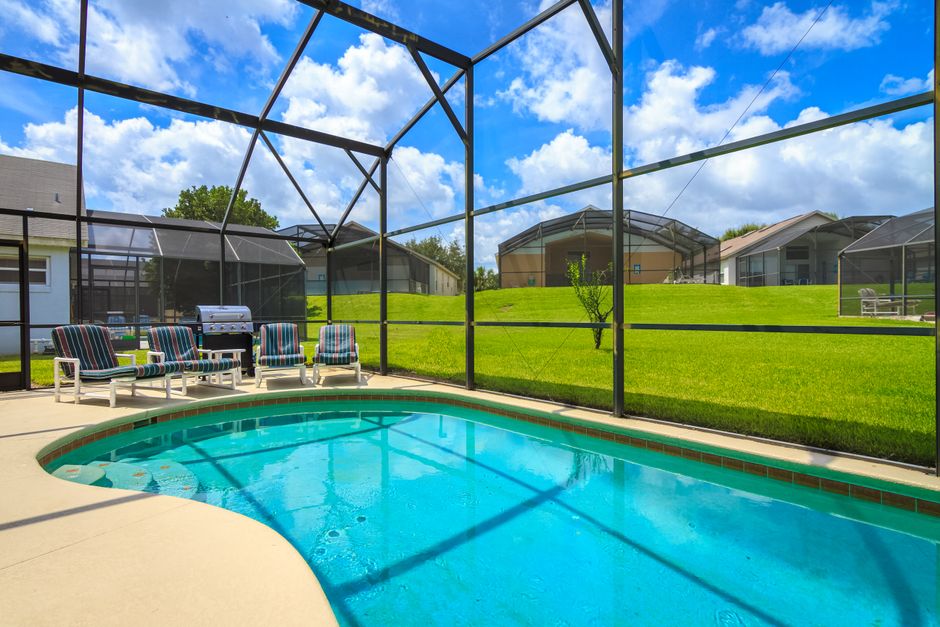
The Bennington residential aluminum line comes in six confirmed heights, 36, 42, 48, 54, 60, and 72 inches, which lets one style line cover everything from a low garden border to a full privacy or pool enclosure. That range is wider than most single fence lines offer, and it is the reason Bennington often comes up first when a homeowner has more than one use in mind for the same fence.
A 36 or 42 inch Bennington panel works well for a front yard border where you still want visibility from the street. Moving up to 54 or 60 inches adds a stronger sense of enclosure for side and back yards. At 72 inches, the line is tall enough to meet the height most pool enclosures require, though your installer should always confirm the exact code requirement for your parish before installation.
Because the height changes but the picket style stays consistent, a Bennington fence can wrap an entire property in one visual style even when different sections call for different heights.
Front yards facing historic streets tend to favor Specrail for its traditional look, side and back yards where privacy matters more than curb appeal often lean toward taller Bennington heights, and AFS gives a middle option for homeowners who want something a little different from both. None of these lines is a universal right answer. The best fit depends on what the fence needs to do, not just what it needs to look like.
A corner lot with two street-facing sides might call for the same style on both fences so the property reads as one design instead of two mismatched sections. A backyard pool, on the other hand, is driven more by required height and gate hardware than by picket pattern. Walking your property with an estimator, rather than guessing from a catalog page, is the fastest way to land on the right combination.
The clearest way to decide is to compare Specrail, AFS, and Bennington against your home’s existing style, your privacy needs, and any height requirements tied to a pool or code, then confirm current stock with Big Easy Fence Supply before you commit. Trends and availability shift, so the line that was popular last year may not be the best fit for your budget or timeline this year.
Once you narrow it down to one or two lines, ask your estimator for actual panel samples rather than relying on renderings. Seeing the picket spacing and finish in person, in the light your yard actually gets, tends to settle most remaining questions fast.
Comparing these three aluminum lines side by side gives you a clearer picture than shopping by price alone. Specrail brings a traditional ornamental look, AFS offers a distinct alternative picket style, and Bennington’s six height options mean one line can often solve more than one need on the same property. Big Easy Fence Supply can walk you through current stock and help match a style to your yard.
Call 504-608-7730 or request your free estimate to compare panel samples in person before you decide.
Specrail and AFS are two separate residential aluminum fence lines carried by Big Easy Fence Supply. Both use a powder-coated aluminum frame with vertical pickets, but the picket profile and overall look differ between the two. The best way to compare them is to view panel samples side by side during a free estimate visit.
The Bennington residential aluminum fence line is available in six heights: 36, 42, 48, 54, 60, and 72 inches. That range covers low front-yard borders up through taller backyard and pool-height fencing. An estimator can confirm which height fits your specific project and any local code requirements.
Yes, many New Orleans homeowners use a shorter Bennington height along the front yard and a taller height around the back or side yard for more privacy. Keeping the same picket style across both sections helps the property read as one consistent design instead of two different fences.
Yes, Quick Ship is listed as a separate category alongside the residential, commercial, and industrial aluminum fencing options. It is meant for homeowners who need faster turnaround than a fully custom order. Ask your estimator whether your preferred style and height are currently available through Quick Ship.
Aluminum does not rust the way steel or iron does, which is a major reason it holds up well in New Orleans’ humid, coastal climate. That resistance applies across the Specrail, AFS, and Bennington lines. Wrought iron fencing is also available for homeowners who want that specific traditional look instead.
The right panel style depends on your home’s existing exterior, how much privacy you need, and whether a pool or fence code applies to your project. Comparing Specrail, AFS, and Bennington samples in person, rather than from photos, is the most reliable way to decide. Big Easy Fence Supply can walk through these options during a free estimate.
Specrail, AFS, and Bennington each bring something different to a New Orleans property, from height flexibility to a specific look that matches the home behind it. Seeing samples in person, rather than guessing from photos, is the most reliable way to land on the right line.
Big Easy Fence Supply carries all three aluminum panel styles and can walk through samples during a free, no-obligation estimate.
Ready to compare styles for your yard? Request a free estimate or call 504-608-7730 to get started.
Commercial aluminum fencing is generally built for visibility and steady daily use around offices, retail spaces, and mixed-use properties, while industrial aluminum fencing is built for tougher conditions like job sites, warehouses, and storage yards where security and durability come first. Both use the same base material, but the construction targets different jobs.
Commercial grades tend to focus on a clean, professional look that still holds up to regular foot and vehicle traffic near entrances. Industrial grades lean harder into strength, often with heavier posts and pickets designed to take more abuse over time. Neither grade is “better” on its own. The right one depends entirely on what sits behind the fence line and who is walking past it every day.

Commercial-grade aluminum fencing fits properties where appearance and everyday durability matter more than withstanding heavy impact, such as office parks, retail centers, restaurants, and medical buildings. It gives a property a finished, professional edge without looking like a barricade.
Big Easy Fence Supply offers commercial aluminum styles that pair well with landscaping and building entrances, keeping the property welcoming while still marking clear boundaries. Learn more on our products page, or reach out for a free estimate on what would work for your storefront or office lot.
These fences also handle New Orleans weather well over the years, resisting rust in a way that painted steel options do not. For a business that wants curb appeal alongside a defined perimeter, commercial-grade is usually the right starting point.
Restaurants and medical offices also lean toward commercial-grade aluminum because it reads as open and inviting rather than closed off. Customers and patients can still see the property clearly through the fence line, which matters for businesses that depend on foot traffic and a welcoming first impression. A fence that looks too heavy or industrial in front of a storefront can send the wrong signal before a customer even walks in.
Property managers overseeing several small commercial lots often standardize on one commercial aluminum style across every location. That keeps a consistent look across a portfolio and simplifies future repairs, since matching sections stay available for years rather than becoming a one-off custom order.
Industrial-grade aluminum fencing is built for properties that need stronger perimeter security and can take more physical wear, including warehouses, distribution yards, construction sites, and utility lots. These properties often deal with equipment storage, delivery traffic, or after-hours risk that a lighter fence was never meant to handle.
The heavier build shows up in the posts and pickets, which are meant to resist bending or impact better than lighter commercial styles. Taller height options are also common in industrial settings, since a taller fence line adds another layer of deterrent around valuable equipment or materials left on site overnight.
If your property stores inventory, tools, or vehicles outdoors, industrial-grade aluminum is worth a closer look before you settle on a lighter fence that was not built for that kind of exposure.
Construction sites bring an added wrinkle, since the fence often needs to go up quickly and come down again once a project wraps. Industrial aluminum sections can be planned around a temporary footprint just as easily as a permanent one, which matters for contractors juggling several active job sites at once around the New Orleans area.
Distribution and logistics properties also tend to combine industrial fencing with controlled gate points rather than open access along the entire perimeter. Fewer entry points make it easier to track who comes and goes, and a heavier gate section holds up better under the repeated opening and closing that a busy loading area sees every day.

Taller fence heights and reinforced posts are the two biggest factors that separate a basic aluminum fence line from a true security-grade one, and both should be matched to the actual risk level of the property. A four-foot fence around a landscaped office courtyard serves a different purpose than a taller fence around a storage yard.
Reinforced posts matter most at gates and corners, where a fence line takes the most stress from wind, vehicle contact, or repeated opening and closing. Our team can walk through height and reinforcement options during a site visit so the fence matches how the property is actually used, not just how it looks in a catalog photo.
Wind exposure is another factor worth mentioning for this region. A well-built aluminum fence, properly set with adequate post depth, holds up far better through storm season than a lighter, poorly anchored option.
Most business owners do not need to become fencing experts to make this decision. The property tells you most of what you need to know. A retail storefront with regular customer traffic almost always points toward commercial-grade. A yard full of equipment or a construction site points toward industrial-grade. Mixed-use properties sometimes need a blend of both along different sections of the perimeter.
Big Easy Fence Supply has helped property owners across the New Orleans area work through this exact decision, matching fence grade to actual property use rather than guesswork. If you are weighing commercial versus industrial aluminum fencing for your property, our team can walk the site with you and recommend a grade that fits both the budget and the security needs involved.
It also helps to think ahead a few years rather than just at move-in. A property that plans to add outdoor storage or expand a loading area later on may be better served starting with a heavier fence grade now, rather than replacing a lighter one once the property’s use changes. A short conversation with our team before ordering can save a second project down the road.
Ready to get a clear answer for your property? Contact Big Easy Fence Supply for a free estimate, or call 504-608-7730 to talk through your options directly.
Commercial aluminum fencing focuses on a clean look for offices and retail properties, while industrial aluminum fencing is built heavier for job sites and warehouses. Big Easy Fence Supply offers both grades depending on how a New Orleans property is used day to day.
Yes, many properties use commercial-grade fencing near entrances and industrial-grade sections around storage or equipment areas. Big Easy Fence Supply can plan a perimeter that blends both grades to match each section’s actual use.
Industrial-grade fencing generally uses heavier materials, which can affect the overall project cost compared to commercial-grade options. Contact Big Easy Fence Supply for a free, no-obligation estimate specific to your New Orleans property.
Height depends on the property’s purpose, with office and retail properties often using shorter fencing and warehouses or storage yards typically going taller for added security. Big Easy Fence Supply can recommend a height during a site estimate.
Aluminum fencing resists rust well compared to steel, which makes it a strong choice for New Orleans humidity and storm exposure. Proper installation with adequate post depth also helps both commercial and industrial fencing hold up through the season.
The best way to know is a site visit, since property use, traffic, and security needs all factor into the right choice. Big Easy Fence Supply offers free estimates to help New Orleans business owners choose the correct commercial or industrial aluminum grade.
Choosing between commercial and industrial aluminum fencing comes down to matching the fence to how a property is actually used, not guessing at a grade and hoping it holds up. The right height and reinforcement protect what sits behind the fence line while still giving a property a clean, professional edge.
Big Easy Fence Supply works with business and property owners across Greater New Orleans to choose the correct commercial or industrial aluminum grade for each site.
Ready to talk through your property? Request a free estimate or call 504-608-7730 to get started.
HOA fence approval in New Orleans is a private community process, separate from any city permit, run by an architectural review committee that checks style, height, and materials. Homeowners typically submit a site plan, a material sample, and sometimes a neighbor acknowledgment before installation. Checking your HOA’s own CC&Rs first avoids delays and denied applications.
Getting HOA fence approval in New Orleans often confuses homeowners who assume a city building permit is the only step. If you live inside a homeowners association, your community’s architectural review committee has its own say before any fence goes up. Big Easy Fence Supply works with homeowners across the Greater New Orleans area who need to plan around these private community rules. This guide covers what most HOA committees ask for, common restrictions, and how to put together a submission packet that gets approved the first time. It focuses on the private HOA process, not the separate city permitting steps handled by New Orleans building officials.
HOA fence approval is a private review process run by your homeowners association’s architectural committee, entirely separate from any city building permit, and it checks whether a proposed fence design, color, height, and material fit the community’s established style rules before any construction work legally starts. Skipping this step can lead to fines, a forced tear-down, or a stalled project even after the city has already signed off. Every HOA sets its own process, so timelines and paperwork differ between neighborhoods.
Some committees meet monthly, while others review applications by email within a week. Either way, the review happens in addition to, not instead of, city requirements. New residents sometimes discover the rule only after a neighbor points out a missing approval letter, which is why reading the HOA packet at closing matters.
Most HOA review committees in New Orleans ask homeowners for a site plan showing exact fence placement, a material sample or product spec sheet, the proposed height and color, and sometimes a signed acknowledgment from bordering neighbors before they will approve a fence project. Pulling a spec sheet from your fence supplier before the meeting speeds things up considerably. A clear diagram showing distance from the property line helps the committee say yes faster. Bringing a printed copy to a meeting, rather than only emailing it, can also shorten the wait if the committee only meets in person.

Typical documents a committee will ask to see include:
Our guide on estimating fence materials for New Orleans properties can help you gather accurate numbers before you submit.
New Orleans HOAs commonly cap fence height between four and six feet, require a uniform color or finish across the community, restrict placement to the side and rear yard, and set a minimum setback distance from the street or sidewalk. Some communities only allow specific fence styles, which is one reason picking between aluminum and wrought iron matters before you apply. Height limits often change for corner lots and pool enclosures, so check your specific CC&Rs. A few communities also restrict gate placement near shared walkways or common areas, so a quick call to your management company before you order materials can prevent a redo.
Our comparison of aluminum versus wrought iron fencing pros, cons, and costs walks through the differences a committee may ask about. Not sure which style fits your HOA’s rules? Big Easy Fence Supply can help you pick the right look before you submit your application.
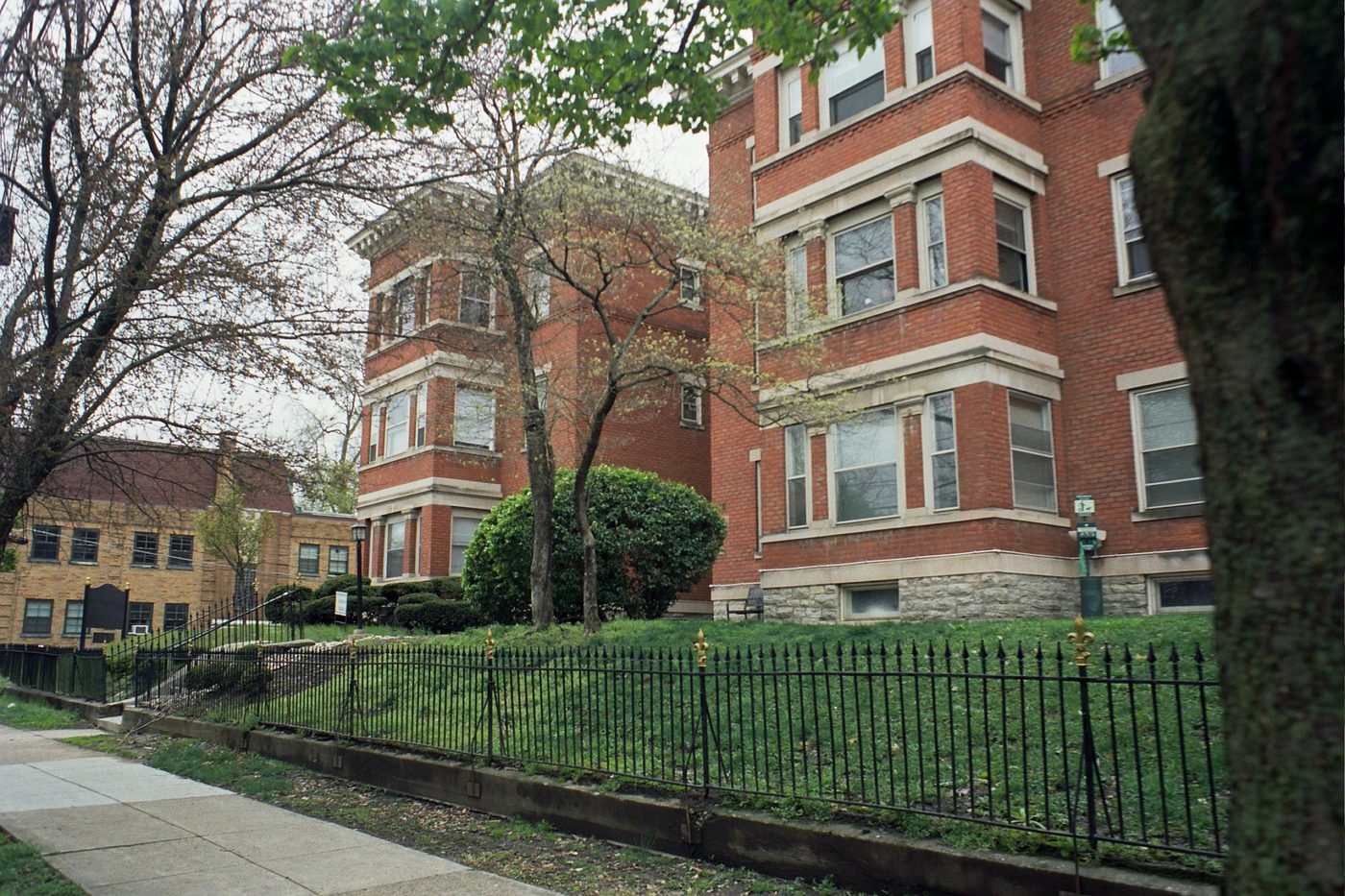
A strong HOA submission packet includes a dated site plan, a product spec sheet with material and color details, at least one photo or rendering, a short written description of the project, and proof you have read the community’s fence guidelines. Confirming your fence height against your HOA’s cap before you submit avoids an easy denial. Attaching your contractor’s contact information also speeds up committee questions. Keeping a digital copy of every document you submit makes it easier to resend files if the committee loses track of an email.
Our guide on choosing fence height in Louisiana breaks down common limits by property type. If aluminum fits your HOA’s approved material list, our residential aluminum fencing page shows the profiles and finishes available.
HOA approval and a city fence permit are two separate requirements, and homeowners in a New Orleans HOA typically need both before starting work, since the city permit covers safety and zoning while the HOA review covers style and community standards. Our detailed breakdown of the New Orleans fence permit process covers the city side of the paperwork in full. HOA review usually happens separately and can run at the same time as the permit application.
Starting both processes together often saves the most time, since a denied HOA application can force changes to a permit you already filed. Some homeowners submit to the HOA first so the design is locked before they pay any city fees. Questions about aligning a permit application with your HOA’s timeline? Reach out before you finalize your fence plans.
After you submit a fence application, most HOA committees review it at their next scheduled meeting or within a set number of business days, then send back written approval, a formal denial with specific reasons, or a request for more information about your planned design. Keep a copy of the approval letter with your project records in case a neighbor or future buyer asks about it. A written denial should list the specific rule your plan did not meet, which makes it easier to revise and resubmit without starting over. If your committee wants a different style, browsing modern fence design ideas can help you find an option that still fits your budget.
Wrought iron panels often satisfy both HOA style rules and New Orleans’ historic character. Our residential wrought iron fencing page shows finishes many committees already recognize as approved styles.
No, only communities with an active homeowners association and recorded CC&Rs require this review. Neighborhoods in parts of Algiers or the Northshore may have an HOA, while many older Uptown blocks do not. Check your closing documents or contact your community’s management company to confirm.
Timelines vary by community, but many committees respond within two to four weeks of a complete submission. Some associations using a management company such as Associa review applications on a set monthly schedule. Submitting early avoids delays tied to contractor scheduling.
Yes, a city permit from the New Orleans Department of Safety and Permits does not override HOA rules. Your association can still deny a fence style, color, or height that violates its CC&Rs. Both approvals are usually required before installation begins.
Many HOAs can issue fines, place a lien on the property, or require the fence to be removed at the owner’s expense. Some associations, governed under Louisiana Revised Statutes on community associations, follow formal enforcement steps. Getting approval first avoids these costs and delays.
Many communities limit fences to approved materials like aluminum or wrought iron rather than other options. This keeps a uniform look across streets such as those in Lakewood or English Turn. Checking your CC&Rs before ordering materials prevents a rejected application.
Start with your HOA’s architectural review committee or management company for the specific reason behind the denial. Most associations, following Louisiana community association law, allow a written appeal or resubmission. Big Easy Fence Supply can also help adjust your plan to meet committee feedback.
Getting HOA approval right the first time saves weeks of back and forth and keeps your fence project on schedule. Homeowners who bring a clear site plan, correct material specs, and their HOA’s height rules to the table see faster sign-offs. Reviewing your community’s CC&Rs before you order materials remains the single best way to avoid a denied application. A short phone call to your management company at the start of a project often answers more questions than the printed guidelines alone.
Big Easy Fence Supply has worked with homeowners across the Greater New Orleans area on aluminum and wrought iron fences that meet both city code and HOA standards.
Talk through your community’s requirements before you order materials.
Call 504-608-7730 or contact us online.
Historic New Orleans neighborhoods call for wrought iron fencing that echoes the ironwork balconies of the French Quarter and the raised porches of the Garden District. The right picket style, scrollwork pattern, and gate design can make a new fence look like it has stood for a century. This guide breaks down which wrought iron styles fit shotgun houses, Creole cottages, and historic district homes.
A wrought iron fence historic New Orleans homeowners choose should match the age and look of the house behind it, not just the budget. Ornamental details matter as much as strength when a fence sits in front of a Creole cottage or a raised shotgun home. Simple spear-top pickets suit some blocks, while heavier scrollwork suits others. Getting the style right keeps a property in step with its street and its era.
Wrought iron fencing fits historic New Orleans because the material already defines the city’s architecture, from French Quarter balconies to Garden District gates. A new fence built in a matching style ties a home to its block instead of standing apart from the houses around it. Big Easy Fence Supply builds residential wrought iron fences with the same scrollwork and picket details found on older buildings nearby. That link between old ironwork and new fencing is what keeps historic streets looking whole.
Visit the Big Easy Fence Supply homepage to see current wrought iron projects around the New Orleans area. Many historic homes already carry iron balcony rails, gates, or porch supports. A fence that borrows from those existing details reads as original to the property. Skipping this step is the most common reason a new fence looks out of place next to an old house.
Some blocks in the French Quarter and Garden District fall under local design review. That process focuses on permits and approvals, which we cover in our fence permit guide for New Orleans. This article stays on style and design, not paperwork. Knowing the rules ahead of time still helps homeowners pick a style that will move through review without delay.
French Quarter homes usually call for tighter picket spacing and classic scrollwork, while Garden District homes can carry taller, more detailed panels near wide porches and lawns. The Quarter’s narrow lots favor a fence that reads as refined rather than heavy. Garden District properties have more room to show off larger scroll patterns and finials. Matching scale to lot size keeps either style from looking wrong for its setting.
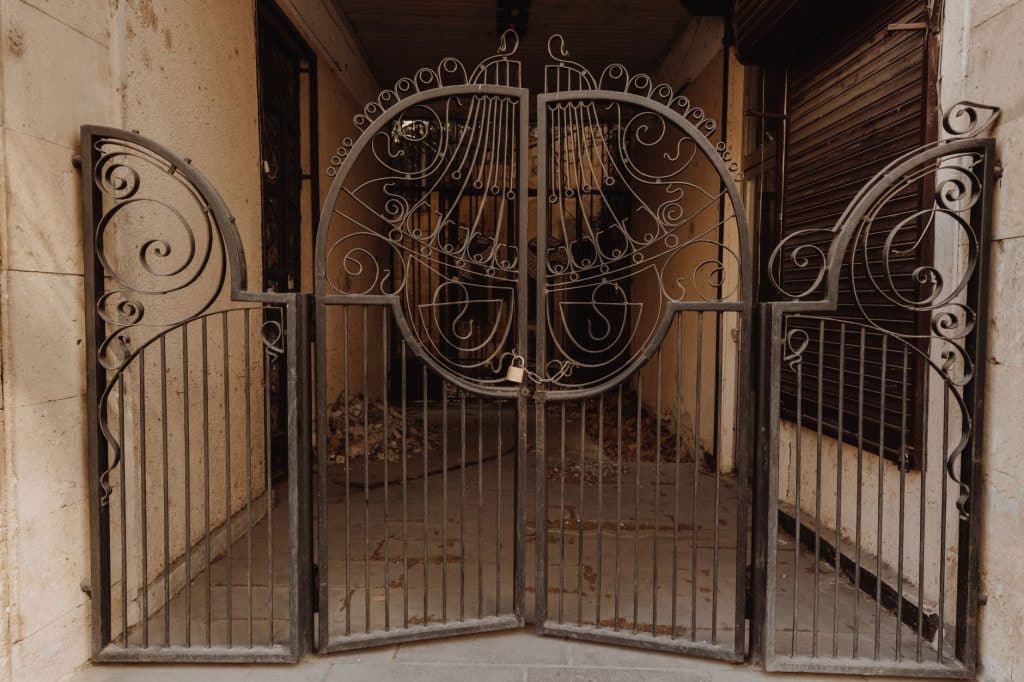
A French Quarter courtyard gate often uses fine scrollwork panels paired with a simple top rail. That approach echoes the wrought iron balconies found throughout the neighborhood. Garden District homes, with their larger yards and raised foundations, can support taller pickets and bolder finial caps. Both approaches use the same material in different proportions.
Ready to plan a fence for a historic block? Reach out to talk through style options for your street and lot size before ordering materials. Our team has fitted wrought iron fencing near both neighborhoods and knows what boards and neighbors tend to expect. A quick conversation up front can save weeks of guesswork later.
Creole cottages and shotgun homes pair well with spear-top pickets, simple scroll accents at the gate, and low front fences that keep the porch visible from the street. These home styles sit low to the ground with narrow front yards, so a tall fence looks out of place. A modest scroll pattern at the gate adds character without competing with the porch columns. Keeping the fence low also matches the scale of the house itself.
Spear-top pickets remain the most common choice for these homes because the shape is simple and holds up well in humid weather. A single scroll or basket detail centered on the gate adds a decorative touch. For homes with double front doors, a matching pair of pedestrian gates often looks better than one wide gate. Our aluminum vs. wrought iron fencing comparison covers cost and upkeep differences if a homeowner is still choosing between materials.
Shotgun houses in Uptown and the Bywater often sit close to the sidewalk. A picket fence with moderate spacing keeps the house visible while still marking the property line. Rust prevention matters here too, since these fences sit close to sprinklers and street runoff. Our guide on how to prevent wrought iron fence rust in New Orleans explains simple upkeep steps for coastal humidity.

A gate should pick up at least one detail from nearby ironwork, such as a scroll shape, a finial style, or a rail spacing pattern. That shared detail makes the fence and the balcony read as one connected design instead of two separate features. Many historic New Orleans homes already have iron balcony rails or porch supports. Repeating a shape from that ironwork on the gate creates a visual link between the two features.
A single walk gate with an arched top rail suits homes with arched balcony brackets. Homes with straight, geometric balcony rails do better with a squared gate frame instead. Matching hardware finish, such as black powder coat, also ties the two elements together. Our gate hardware and accessories guide walks through hinge, latch, and lock choices for wrought iron gates.
Driveway gates on larger historic lots can carry a bigger scroll motif, since they sit farther from the street and read as a focal point. A double-panel driveway gate with matching finials on each side gives a balanced look. Smaller courtyard gates should stay simpler so they do not overwhelm a narrow entry.
Homeowners in historic districts should pick a style first, then confirm it against any local design guidelines before ordering materials. Style changes are easier and cheaper to make on paper than after a fence is already installed along the property line. Some blocks have stricter expectations around height, spacing, or finish than others. A style that works one street over may not fit a home under closer review.
The table below lists common style choices by home type as a starting point for that conversation.
| Home Type | Suggested Picket Style | Typical Height |
|---|---|---|
| French Quarter courtyard | Fine scrollwork, tight spacing | 3 to 4 feet |
| Garden District home | Bold scrollwork, finial caps | 4 to 5 feet |
| Creole cottage | Spear-top, simple gate scroll | 3 feet |
| Shotgun house | Spear-top, moderate spacing | 3 to 4 feet |
For homes wanting a finished look, our guide on making a fence look nice covers paint color and landscaping choices that pair well with wrought iron. Style decisions made early tend to hold up better than changes made mid-project.
A wrought iron fence built for a historic block should look like it belongs there in five years, not just on installation day. Picket style, scale, and gate details all play a part in that outcome. Homeowners who match those choices to their home’s architecture get a fence that ages well alongside the house.
Big Easy Fence Supply designs wrought iron fencing around the character of each home, from French Quarter courtyards to Uptown shotgun houses.
Fine scrollwork panels with tight picket spacing and a simple top rail suit most French Quarter courtyards. This style echoes the wrought iron balconies found throughout the neighborhood without overwhelming a narrow lot. A modest gate with one scroll accent usually fits best.
Garden District homes can carry taller pickets, around four to five feet, along with bolder scrollwork and finial caps. Wider lots and raised porches give these homes room for more detailed panels. A shorter, simpler fence can still work on a smaller Garden District lot.
Spear-top pickets with a low front fence, around three feet, suit Creole cottages and shotgun homes in Uptown and the Bywater. Keeping the fence low preserves the view of the porch from the street. A single scroll detail at the gate adds character without extra bulk or cost.
Some blocks in the French Quarter and Garden District do fall under local design review before installation. Our fence permit guide for New Orleans covers that process in detail. Picking a style early makes the review step faster and lowers the odds of a rejected application.
Yes, a gate can repeat a scroll shape, finial style, or rail spacing found on a home’s existing ironwork. Matching one of these details ties a new gate to balconies common in the French Quarter and Garden District. Matching the hardware finish adds a second layer of consistency.
Wrought iron offers heavier, more ornate scrollwork than aluminum, which suits older Creole cottages and Garden District homes closely. Aluminum can mimic some iron details at a lower weight and upkeep cost. Homeowners weighing both should compare style needs against long-term maintenance.
Get a style consultation for wrought iron fencing built to match your home, from French Quarter courtyards to Uptown shotgun houses.
Call 504-608-7730 or contact us online.
Dogs escape through gaps a “normal” fence design misses, jump low panels, or slip out through gates that do not latch shut. This guide walks New Orleans dog owners through picket spacing, fence height, and gate latch choices in aluminum and wrought iron that keep pets contained safely.
A pet friendly fence dogs New Orleans owners can rely on starts with picket spacing, not paint color or panel style. Small breeds like dachshunds, terriers, and Chihuahuas can squeeze through gaps that look narrow enough on paper but are not narrow enough in practice. Bigger dogs test a different weak point: horizontal rails that work like a ladder for anything that likes to climb or jump. The right combination of aluminum and wrought iron fencing closes both gaps at once, whether you have a dachshund or a Lab mix that treats fences as a suggestion.
Big Easy Fence Supply builds custom aluminum and wrought iron fences for New Orleans yards, and pet containment is one of the most common reasons homeowners call. Owners often reach out only after a previous fence already let a determined dog get loose once. Below is a breakdown of the spacing, height, and gate details that matter most for dog owners, plus a few general yard safety habits worth building alongside a new fence.
A pet friendly fence combines picket spacing narrow enough to stop small dogs from squeezing through and a height tall enough to stop jumping. It also needs a gate latch a dog cannot nose or paw open, sized to the dog living in the yard. Aluminum and wrought iron both meet these needs when specified correctly. Neither material is automatically safer than the other; the details of the design decide whether a dog stays in the yard. Comparing the two side by side, as this aluminum vs. wrought iron fencing guide breaks down, helps homeowners match material to their dog’s size and energy level. A quiet, low-energy senior dog needs less engineering than a young dog that paces the fence line looking for a way out.
Picket spacing of 2 to 3 inches or less keeps most small and medium dogs from squeezing through an aluminum or wrought iron fence. Tighter spacing options exist for toy breeds or dogs known for finding gaps other dogs would ignore. Measure the gap between pickets, not just the overall panel style, since some decorative patterns leave wider openings near the bottom rail. A dog that gets its head through a gap usually gets the rest of its body through too. Puppies and lightweight breeds need the tightest spacing available, while larger, heavier dogs are often stopped by standard spacing alone. Measuring before ordering matters more than picking a style off a catalog page, since two panels that look identical from the street can carry different gap widths.

Most dogs stay contained behind a 4-foot fence, but athletic breeds and dogs under 40 pounds that like to jump often need 5 to 6 feet. Height needs also depend on what sits near the fence line, since a stacked storage bin or patio table can turn a short fence into a launching pad. Wrought iron and aluminum panels both come in taller residential heights without losing the open sightlines dog owners often want. For a full breakdown of height rules and property line requirements in Louisiana, this fence height guide covers the code side of the decision.
Ready to stop the guesswork? A quick conversation about your dog’s size and habits is enough to recommend the right spacing, height, and gate hardware for your yard.
Both aluminum and wrought iron work well for dog owners, and the better choice usually comes down to budget and style, not one material being more secure. Either one stops a determined dog once spacing and height are sized correctly. Big Easy Fence Supply’s residential aluminum fencing resists rust in New Orleans humidity and costs less to install across a large yard. Wrought iron offers a heavier, traditional look and handles extra stress from big dogs pushing against it, and the residential wrought iron fencing line comes in the same tight-spacing options.
For homeowners who want wrought iron’s security without losing curb appeal, this guide to elegant wrought iron fencing shows real yard examples built for both.
A self-latching, self-closing gate with a latch a dog cannot reach or paw open is the single most important upgrade for pet containment. Most dog escapes happen through a gate left ajar rather than over or under the fence panels themselves. Look for latches mounted at least 40 inches high, out of reach for dogs that stand on their hind legs. Spring-loaded hinges close the gate automatically if someone forgets, which matters most in households with kids running in and out. Pairing the right latch with the right hardware is covered in detail in this gate hardware and accessories guide.
Already picturing the gate that finally stops the escapes? A short site visit is enough to recommend latch height, hinge type, and spacing for your specific dog.
Beyond the fence itself, dog owners should check for gaps under gates, clear away any stacked yard items near the fence line that could work as a climbing aid, and inspect the yard after storms. Fallen branches and shifted soil after heavy rain create new escape routes fast. Standing water can also erode soil under a fence base, widening gaps at ground level over time. A quick perimeter check after any major storm catches problems before a dog finds them first. Digging is another common escape route, so a buried wire skirt or a paver strip along the fence base stops dogs that dig rather than jump. Professional installation reduces most of these risks from the start, and this DIY vs. professional installation guide explains where the tradeoffs are worth considering.
For toy breeds and dachshunds, look for aluminum or wrought iron pickets spaced 2 inches apart or less. Custom spacing is available for New Orleans yards with small dogs, so standard panel widths never have to be the limiting factor.
Four feet contains most dogs, but breeds like Labradors, Huskies, and other athletic jumpers often need 5 to 6 feet. Louisiana property line rules also affect how tall a residential fence can go, so check local code before ordering panels.
Properly finished wrought iron and aluminum fencing has no sharp edges at dog height when it is powder-coated for a smooth finish. Problems usually come from damaged or rusted panels, not the material itself, especially after Louisiana’s humid summers.
A self-closing, self-latching gate with the latch mounted at least 40 inches high works best for New Orleans dog owners. Spring hinges close the gate automatically, which matters most in households near busy streets like Magazine Street or St. Charles Avenue.
Aluminum resists rust even in New Orleans humidity, which is one reason it stays popular across Jefferson Parish and Orleans Parish yards. Wrought iron needs occasional maintenance to prevent rust, especially near the coast.
Cost depends on material, yard size, and spacing, since tighter picket spacing for small dogs can affect panel pricing. Big Easy Fence Supply provides free on-site quotes for Greater New Orleans homeowners, including Fence Now, Pay Later financing.
Picket spacing, fence height, and gate latches work together, not separately, to keep a dog safely in the yard. Aluminum and wrought iron both deliver on all three when the details are sized to the dog living behind the fence, and neither material forces a tradeoff between security and curb appeal. Big Easy Fence Supply designs and installs pet-focused fencing across the Greater New Orleans area, backed by a 24-hour fence replacement guarantee and Fence Now, Pay Later financing.
Get spacing, height, and gate hardware sized to your dog, backed by our 24-Hour Fence Replacement Guarantee and Fence Now, Pay Later financing.
Call 504-608-7730 or contact us online.
Aluminum and wrought iron fences show clear signs before they fail completely. Loose posts, sagging gates, and rust that won’t respond to spot treatment usually mean a fence has moved from repairable to replaceable. Storm damage after Louisiana’s hurricane season often forces that decision sooner than planned.
A fence that’s held up for a decade rarely fails all at once. Small problems creep in first: a post that wiggles, a gate that scrapes the ground, a rust patch that keeps spreading no matter how many coats of primer go on. For homeowners weighing a fence repair or replace New Orleans decision, the real question isn’t whether something is wrong. It’s whether the fence can still be saved or whether repairs are just delaying an expense that’s coming anyway. Louisiana’s humidity, salt air, and storm season stress aluminum and wrought iron fencing more than most parts of the country. Knowing the difference between a fixable problem and a structural one saves money over time.
For a broader look at the aluminum and wrought iron styles available locally, browse the homepage before deciding what to do next.
A fence usually needs repair, not replacement, when damage is isolated, such as one loose picket, a single rust spot, or a slightly misaligned gate. It needs full replacement when problems are widespread, structural, or show up in multiple sections at the same time. Start by walking the entire fence line slowly, checking posts, panels, and hardware one section at a time. Note whether damage clusters in one spot or shows up everywhere. A fence with scattered, isolated issues is usually a good repair candidate, while one with problems throughout the run is telling you something bigger is going on.
If you’re unsure how long your fence should last in the first place, see how long an aluminum fence lasts in New Orleans for typical lifespans.
The clearest signs a fence needs full replacement are three or more loose or leaning posts, gates that no longer close properly, and corrosion that has eaten through the metal. A section that visibly shifted during a storm is another strong signal. These issues mean the fence’s structural integrity is compromised, not just its appearance. Patch repairs on a fence in this condition tend to fail again within a year or two, and at that point replacement usually costs less than repeated repair visits.
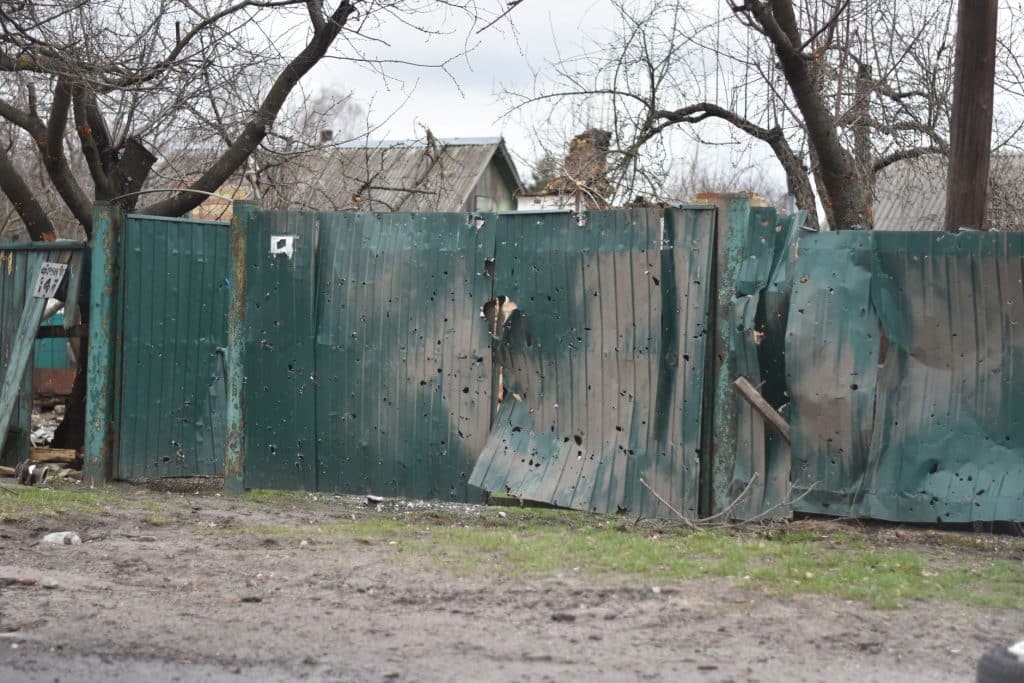
Signs your aluminum or wrought iron fence may need replacement rather than repair:
If more than one of these signs matches what’s on your property, a quick call is faster than guessing. Big Easy Fence Supply can walk the fence line with you and give a straight answer, at 504-608-7730, before you spend money on repairs that won’t hold.
No, surface rust on wrought iron or light oxidation on aluminum is often fixable with cleaning, sanding, and a fresh protective coating. Corrosion becomes a replacement signal once it has eaten through the metal or spread across most of the fence. Wrought iron rusts more easily than aluminum because it lacks a natural protective layer, while aluminum can still corrode at welds, joints, or scratched spots exposed to moisture. The difference between a treatable spot and a structural problem usually comes down to whether solid metal is still visible underneath.
If your fence is still in the early stages of rust, the guide on preventing wrought iron fence rust in New Orleans covers maintenance steps that can extend its life. For fences too far gone to treat, the residential wrought iron line replaces the character with the same durability.
Getting a real look at the damage matters more than guessing from the driveway. Rust that seems minor from a few feet away can be much further along once someone checks the back of a post or the base at ground level.

A simple rule of thumb is that repair makes sense when the cost stays under roughly 40 percent of a full replacement. If you’re already facing a second round of repairs within two years, replacement is usually the smarter financial choice. Add up every repair the fence needs, not just the obvious one, since multiple small repair visits often cost more combined than one replacement project. Also weigh how much longer you plan to own the property, because a repaired fence with a short remaining lifespan may not be worth the investment.
The breakdown of aluminum vs. wrought iron costs can help estimate what a new fence would run before comparing it against repair quotes. Homeowners replacing an aging fence often upgrade the style at the same time; the residential aluminum line offers updated finishes with the same low-maintenance benefits.
Storm damage usually calls for replacement when posts pull out of the ground, panels bend beyond straightening, or the fence takes a direct hit from a fallen limb. These impacts weaken the metal in ways that aren’t always visible right away. A fence that looks straight after a storm can still have hidden stress at the joints. Louisiana’s hurricane season adds wind load that older, already-weakened fences aren’t built to handle anymore.
For a closer look at how well aluminum fencing holds up during severe weather, see the guide on aluminum fences and hurricane season in New Orleans. Not sure whether to tackle a repair yourself or call in a crew? The comparison of DIY vs. professional fence installation walks through when each approach makes sense.
Waiting rarely makes a fence problem cheaper to fix. The sooner a professional looks at loose posts or spreading rust, the more options remain between minor repair and full replacement.
Repair costs depend on the extent of the damage, but a single post reset or hinge repair typically costs far less than replacing an entire section. Louisiana humidity can make wrought iron repairs pricier than aluminum ones because rust treatment takes extra labor. Big Easy Fence Supply can provide an exact quote after a quick inspection.
Most aluminum fences in the New Orleans area hold up for 20 to 30 years with basic maintenance, though salt air and humidity can shorten that if coatings wear thin. A fence approaching or past that age with multiple problem areas is a stronger replacement candidate than a newer fence with one isolated issue. Age alone isn’t a reason to replace, but it raises the odds.
In Louisiana’s humid climate, light surface rust on wrought iron can usually be sanded down, primed, and repainted, extending the fence’s life by years. Once rust has eaten through the metal and created holes, patching won’t hold and replacement is the safer option. A hands-on inspection is the only reliable way to tell which stage a fence is in.
Have the fence inspected before assuming a quick patch will fix it, since storm impacts often weaken posts and joints in ways that aren’t visible from the outside. Louisiana’s hurricane season puts extra strain on fencing that’s already aging or lightly damaged. If more than one section shifted or a post pulled loose, replacement is usually the more reliable fix.
DIY repairs can save money on simple fixes like tightening hardware, but structural issues such as leaning posts or bent panels usually need professional tools and experience to fix correctly. A poorly done DIY repair can cost more later if it fails again. For anything beyond minor touch-ups, a New Orleans fencing contractor can confirm what’s actually needed.
If two or more warning signs show up together, like a wobbly post plus a rusted section, it’s time to get a professional opinion rather than guessing. Big Easy Fence Supply offers on-site evaluations that compare repair and replacement costs side by side. Waiting typically doesn’t make the problem cheaper to fix.
Signs like loose posts, spreading rust, and storm damage all point to the same conclusion. The fence is telling you what it needs, whether that’s a targeted repair or a full replacement. Catching the warning signs early keeps costs down and prevents small problems from becoming safety issues. Big Easy Fence Supply installs and repairs aluminum and wrought iron fencing across the New Orleans area, matching each homeowner with the right fix for their situation.
Not sure which way to go? Get a straight answer from a team that works with aluminum and wrought iron fencing every day.
Call 504-608-7730 or contact us online.
Tell us about your property and we’ll come walk your line. No obligation.
Prefer to talk? Call us 504-608-7730
Big Easy Fence Supply
Automated assistant · replies instantly