Perimeter security fencing is the first line of defense for any home or business, and the material you choose changes how well that line holds. In New Orleans, where humidity, storms, and dense neighborhoods all put pressure on a fence, security fencing needs to do more than mark a boundary. It has to discourage entry, hold up to weather, and still let owners see what is happening on their own property. Aluminum and wrought iron are the two materials that meet those demands without blocking sightlines the way a solid privacy fence would.
Choosing between them for a security application is a different question than choosing between them on cost or looks alone. Big Easy Fence Supply works with homeowners and business owners across the Greater New Orleans area who need a perimeter that actually deters intrusion, not just one that looks good from the street. This guide breaks down how each material performs on the specific factors that matter for security, so the choice fits the property instead of a general rule of thumb.
What Makes A Fence Effective For Security?
An effective security fence combines height, spacing that resists climbing, and a gate that locks as securely as the panels around it. Open-picket designs like aluminum and wrought iron work for security because they let property owners and passersby see through the fence line, which removes hiding spots along the perimeter. A fence that blocks sightlines can actually work against security by giving an intruder cover once they are inside the line.
Picket spacing matters as much as height. Both aluminum and wrought iron are typically installed with pickets close enough together that a foothold is hard to find, which slows down anyone trying to climb over. Height adds another layer, since a taller fence takes more time and effort to scale, and time is what most intrusions are trying to avoid.
How Does Aluminum Fencing Perform For Perimeter Security?
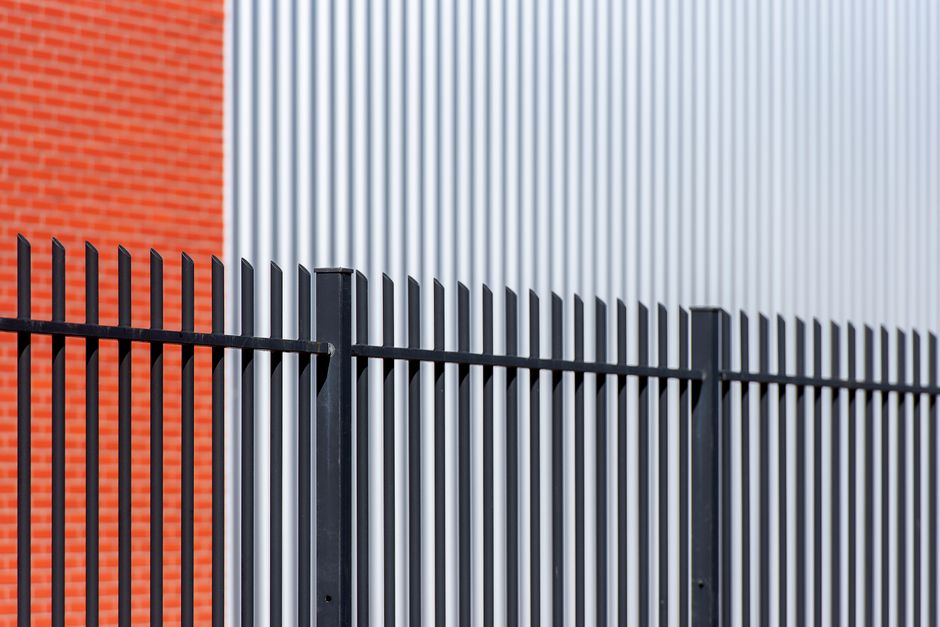
Aluminum performs well for security because it resists rust, holds its shape without sagging, and comes in styles built specifically for higher-security applications. Big Easy Fence Supply’s Bennington residential aluminum line is available in heights from 36 to 72 inches, so a property owner can choose a taller option along a rear perimeter or a street-facing line where deterrence matters most. The material will not rust or rot the way other metals can in Louisiana’s humidity, which means the fence keeps its structural integrity year after year.
For commercial and industrial sites, aluminum fencing from Big Easy Fence Supply is built to handle a larger footprint without the maintenance burden of painted steel. A powder-coated finish holds up against sun and moisture, so the fence does not weaken at the seams or joints over time. That matters for security, since a corroded post or a sagging rail creates a weak point an intruder can exploit.
Aluminum is also lighter than wrought iron, which makes it practical for longer perimeter runs around commercial and industrial properties. A lighter material does not mean a weaker one. Once anchored in the ground, an aluminum panel holds firm against pushing or prying.
Get a free estimate on perimeter security fencing from Big Easy Fence Supply and find out which height and style fits your property line.
How Does Wrought Iron Fencing Perform For Perimeter Security?
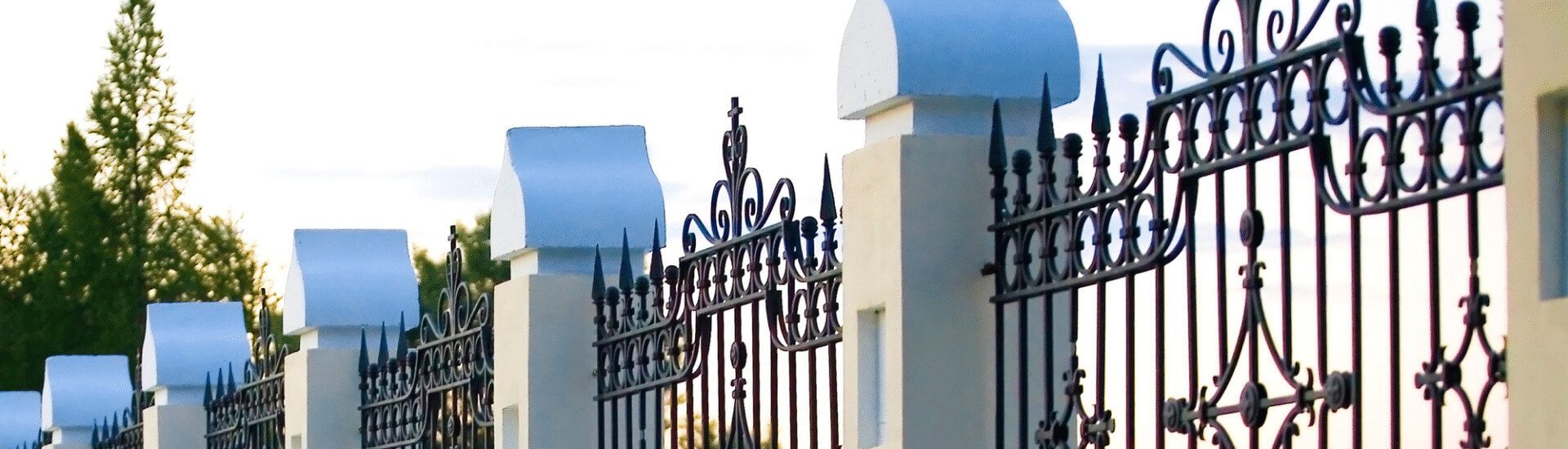
Wrought iron brings mass and rigidity that make it harder to bend or force open, which is why it remains a preferred choice for higher-risk perimeters and historic properties. The material is heavier and denser than aluminum, so pickets resist bending under pressure in a way lighter metals cannot match. That rigidity is a real advantage on a ground-floor perimeter or a gate that takes daily use.
Big Easy Fence Supply offers both residential and commercial wrought iron styles, and many New Orleans homeowners choose it for street-facing sections where the fence also needs to match the architectural character of the neighborhood. The visual weight of wrought iron communicates a level of security on sight, which is itself a deterrent before anyone attempts to test the fence.
The tradeoff is weight and installation complexity. Wrought iron takes more labor to install correctly, and a poorly anchored post undermines the security benefit the material is known for.
Why Are Gates The Weakest Point In Any Perimeter?
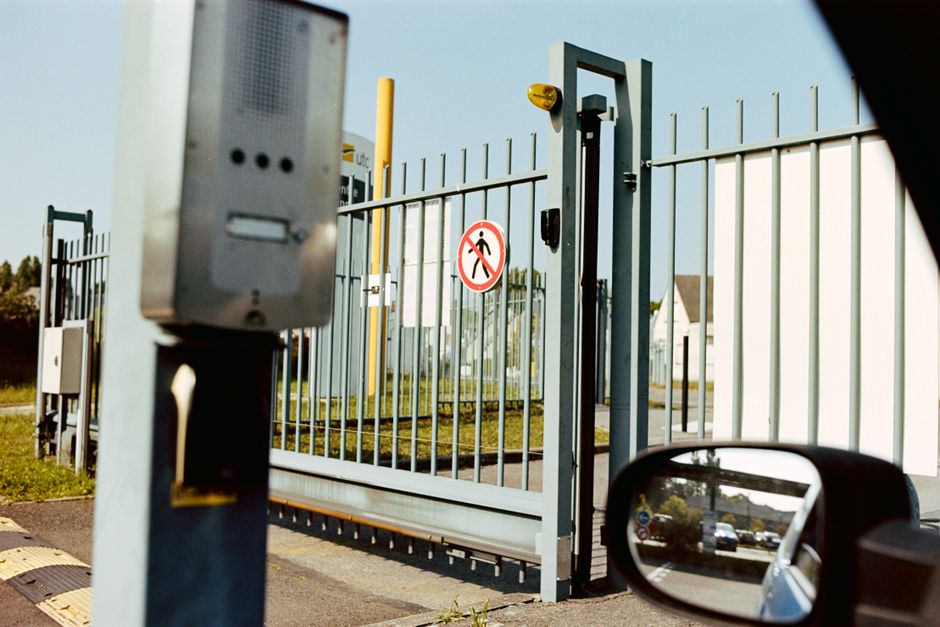
A gate is almost always the first place an intruder tests, so gate hardware and hinge strength matter as much as the fencing material itself. Both aluminum and wrought iron gates can be paired with quality latches and hinges, but the gate needs to match the strength of the fence line around it. A strong fence with a weak gate still leaves the perimeter exposed at its most obvious entry point.
Driveway gates see the most wear of any part of a perimeter system, since they open and close daily and take direct contact from vehicles and foot traffic. Aluminum driveway gates hold up well here because the material does not sag over years of use, keeping the gate aligned and the latch functioning correctly.
How Do Residential And Commercial Security Needs Differ?
Residential properties usually need a fence that deters casual intrusion and defines a clear boundary, while commercial and industrial sites often need a taller, more continuous perimeter with fewer gaps. A home perimeter can often work well at 42 to 48 inches, tall enough to discourage a casual attempt without dominating the yard. Businesses and industrial sites frequently need the taller end of the range, closer to 72 inches, especially along rear and side perimeters that are not visible from the street.
Commercial properties also tend to have longer perimeter runs, which is where aluminum’s lighter weight becomes a practical advantage during installation. Wrought iron remains a strong option for commercial entrances where the material’s visual weight adds to the security impression.
How Do You Choose The Right Height And Style?
Height should be set by what the fence needs to deter and where it sits on the property, not by a single default number. A fence along a busy street may only need to define the boundary clearly, while a rear perimeter bordering an alley or vacant lot often benefits from extra height and tighter picket spacing.
Style plays a role too. A taller Bennington aluminum fence in a darker finish reads as more of a security barrier than a shorter, lighter option, even at the same height. Wrought iron carries that same visual weight naturally.
Aluminum and wrought iron both hold up as real security options for New Orleans homes and businesses, and the right choice usually comes down to the size of the perimeter, the level of deterrence needed, and how much weight the property’s look can carry. Big Easy Fence Supply installs both materials across the Greater New Orleans area and can walk through which one fits a specific property line.
Contact Big Easy Fence Supply for a free estimate, or call 504-608-7730 to talk through height, gate hardware, and material options for your perimeter.
Frequently Asked Questions
Is Aluminum Fencing Strong Enough For Security Purposes?
Yes, aluminum fencing built for security applications uses reinforced posts and rails that resist prying and impact. Big Easy Fence Supply’s Bennington line comes in heights up to 72 inches, and the powder-coated finish resists corrosion, so the structural strength holds up over years of exposure in New Orleans.
Does Wrought Iron Offer Better Security Than Aluminum?
Wrought iron offers more rigidity due to its weight, making it harder to bend under force. Aluminum offers strength with less weight and lower maintenance. Neither material is universally better for security. The right choice depends on perimeter length, gate use, and whether the property is residential or commercial.
What Height Should A Security Fence Be?
Residential perimeters commonly run 42 to 48 inches, while commercial and industrial sites often use taller options up to 72 inches. Rear and side perimeters that are less visible from the street usually benefit from the taller end of that range for stronger deterrence.
Can I Add A Locking Gate To An Aluminum Or Wrought Iron Fence?
Yes, both materials can be fitted with a locking gate and hardware suited to the property. Driveway gates in particular need hinges and latches matched to daily use, and Big Easy Fence Supply can recommend hardware options during an estimate.
Does Humidity Affect The Security Of A Fence Over Time?
Humidity can weaken metal fencing that is not treated for the climate, since rust and corrosion create weak points at joints and posts. Big Easy Fence Supply’s aluminum and wrought iron products are finished to resist New Orleans humidity, which keeps the perimeter structurally sound over time.
Is Wrought Iron A Good Fit For Commercial Properties?
Wrought iron works well for commercial entrances and front-facing perimeters where its visual weight adds to the security impression. For long perimeter runs around larger commercial or industrial sites, many owners pair wrought iron at the entrance with aluminum along the rest of the boundary.
Build a Perimeter That Actually Deters
Height, spacing, and a well-anchored gate do more for security than material choice alone, and both aluminum and wrought iron can be built into a real perimeter security plan when they are sized correctly for the property.
Big Easy Fence Supply installs both materials across the Greater New Orleans area and can recommend the height and gate setup that fits a specific perimeter.
Ready to secure your property line? Request a free estimate or call 504-608-7730 to talk through your options.