Fence post spacing and setting depth decide whether a fence stays straight for years or starts leaning after one wet season. In most parts of the country, installers can follow a standard spacing chart and a fixed hole depth. New Orleans soil does not cooperate with standard charts, and that is why post spacing and depth deserve more attention here than almost anywhere else.
The ground under most New Orleans yards is soft, high in clay, and holds water close to the surface for long stretches of the year. Big Easy Fence Supply works with this soil condition on aluminum and wrought iron installations across the metro area, and a quick call to the team can get a property evaluated before any holes are dug.
Why Does New Orleans Soil Change Fence Post Requirements?
New Orleans sits on soft, water-saturated clay and alluvial soil that shifts more than the firmer, well-drained soil found in most of the country, so posts need deeper footings and closer spacing to stay upright. This soil type expands when wet and contracts when dry, which puts steady pressure on anything set into it. A post that would hold fine in sandy or rocky ground can work loose here within a season or two if it was set the way a generic instruction sheet describes.
Because the water table sits close to the surface in much of the city, fence contractors also have to think about drainage around each post, not just depth. Standing water around a footing softens the soil further and speeds up the loosening process.
Neighborhoods built on older fill or reclaimed low ground tend to see this problem more than areas on naturally higher elevation. A homeowner in one of these neighborhoods may notice a fence post loosen years before a similar post would show wear on firmer ground across town. That difference is exactly why a generic spacing chart written for national conditions falls short here, and why local experience with New Orleans soil carries real weight during planning.
How Does Post Spacing Change Fence Stability?
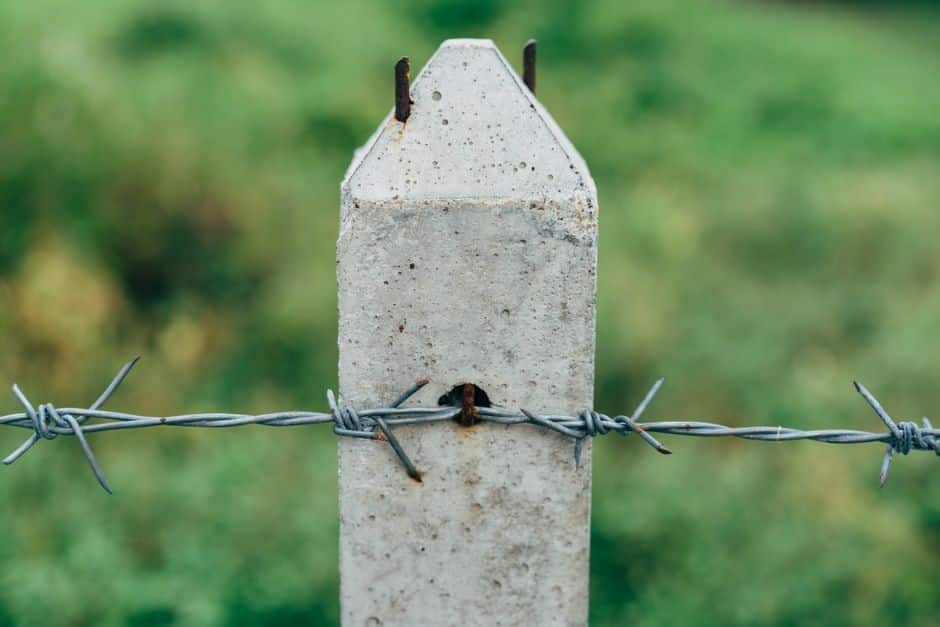
Closer post spacing distributes wind and panel weight across more support points, which matters more in soft soil where each individual post has less natural resistance to leaning. A wider spacing interval that works on firm ground asks more of each post, and soft soil cannot always deliver that extra holding power.
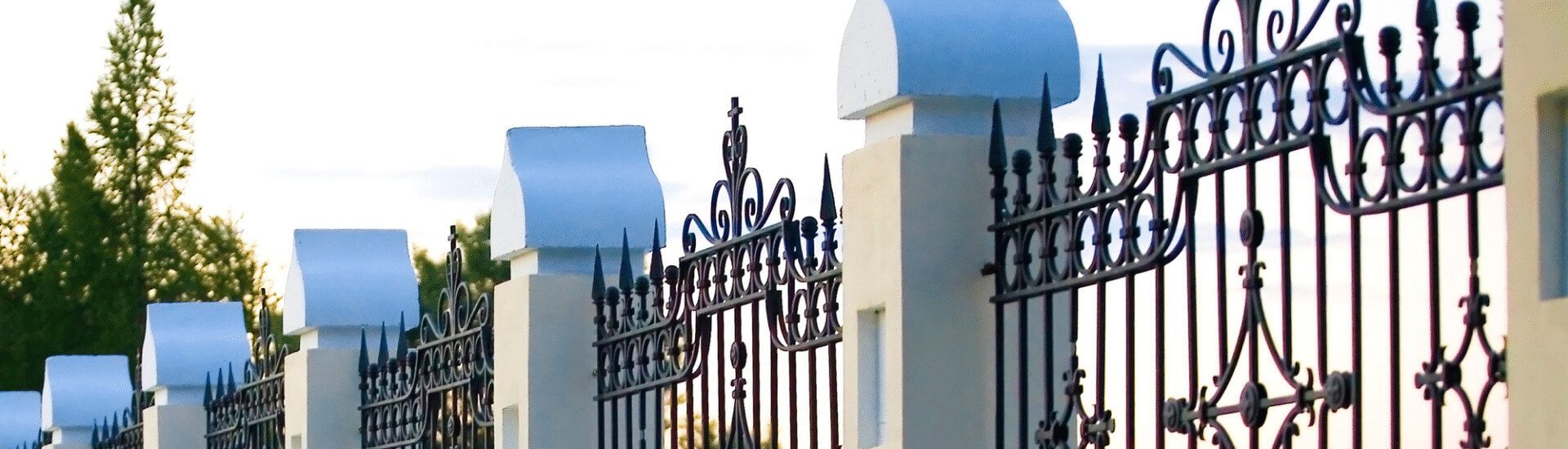
For aluminum panel fencing, spacing is usually tied to the manufactured panel width, so there is less flexibility than with a custom wrought iron run. Wrought iron sections built to order allow more control over spacing, which is one reason a site evaluation matters before ordering materials.
Get a free estimate from Big Easy Fence Supply before finalizing spacing on a New Orleans property, since soil conditions can vary even within one yard.
How Deep Should Fence Posts Be Set?
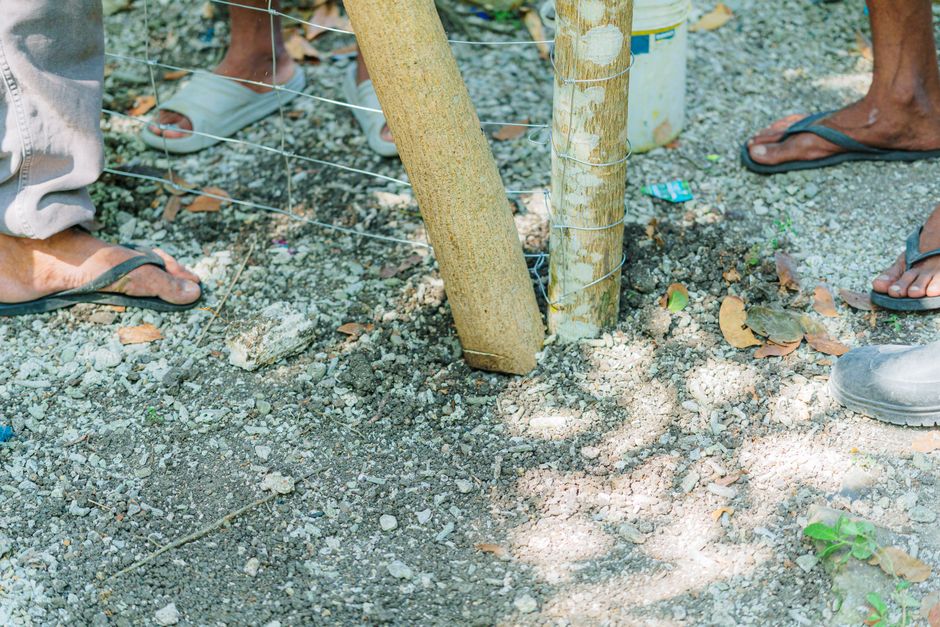
Setting depth in New Orleans generally needs to go deeper than standard charts suggest, with a concrete footing sized to the soil condition and local frost and wind expectations rather than a one-size-fits-all number. There is no single depth that fits every yard, since soil composition changes from block to block and even from the front yard to the back.
A shallow footing might hold for a while, but the freeze-thaw cycle is rarely the real threat here. The bigger risk is repeated wet-dry cycling in clay soil, which slowly works a shallow post loose over several seasons. That is why a professional site evaluation, rather than a generic online chart, is the safer starting point for setting depth on any New Orleans property.
End posts, gate posts, and corner posts usually carry more load than the posts running along a straight panel line, so they often call for a deeper or wider footing than the rest of the run. Gates in particular put repeated stress on their supporting posts every time they swing open and close, which adds up over years of daily use. A site evaluation accounts for these higher-load points separately from the standard spacing along the fence, rather than treating every post the same way.
What Role Does Concrete Play in Post Setting?
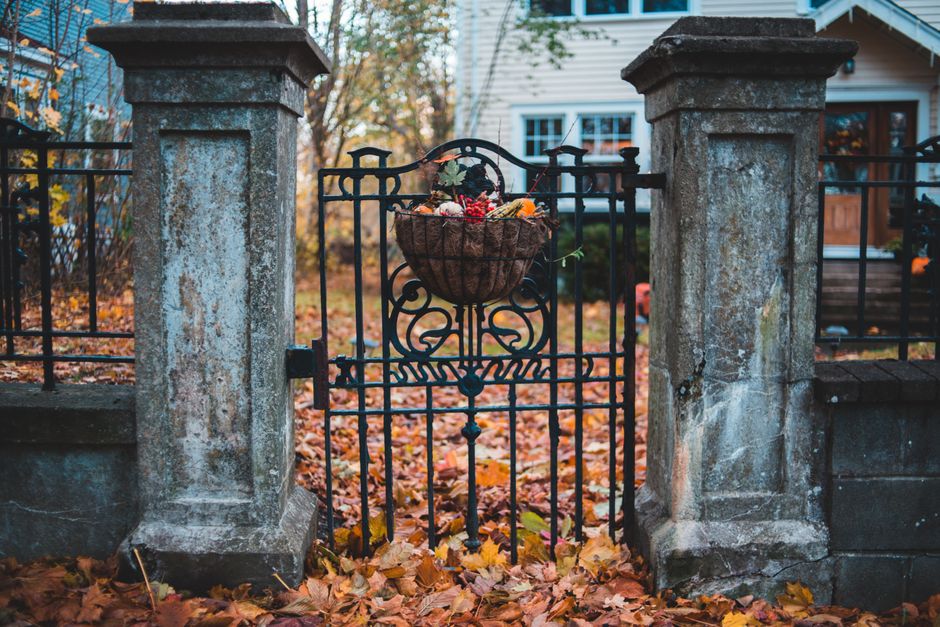
Concrete footings anchor each post against the lateral pressure that soft, shifting soil puts on a fence line, and the footing size needs to match both the post material and the soil condition at each specific location. Aluminum posts and wrought iron posts carry different weight loads, so footing requirements are not identical between the two materials.
Concrete alone does not solve every soil problem. Without adequate drainage around the footing, water can still collect at the base of the post and undermine the surrounding soil over time. That is why footing placement and drainage planning tend to go together on a properly installed fence.
How Does Drainage Affect Post Longevity?
Good drainage keeps water from pooling around a fence post base, which protects the surrounding soil from the repeated softening that leads to leaning or shifting posts over time. In low-lying yards or areas near a property’s natural runoff path, this matters even more than it does on higher, better-drained ground.
Grading a slight slope away from the post line, or accounting for known drainage patterns before digging, reduces the amount of water that sits against each footing. This step is often overlooked, but it can extend the useful life of an otherwise well-installed fence.
Should Every Property Get a Custom Spacing Plan?
Because soil conditions vary block by block across New Orleans, a walk-through site evaluation before installation gives a more reliable spacing and depth plan than following a generic national chart. Two neighboring yards can have noticeably different soil behavior depending on drainage history, past fill work, or proximity to water.
Big Easy Fence Supply evaluates each property before finalizing a materials order, which helps set realistic expectations for spacing and depth ahead of installation day. Explore aluminum and wrought iron fencing options to see which style fits the property before scheduling that evaluation.
Frequently Asked Questions
Does Post Spacing Differ Between Aluminum and Wrought Iron Fencing?
Aluminum fence spacing is usually set by the manufactured panel width, giving less flexibility once a product line is chosen. Wrought iron sections can be built to a custom spacing plan, which gives more room to adjust for soil conditions on a specific property before ordering materials.
Can I Use a Standard Fence Post Depth Chart For My New Orleans Yard?
A standard national depth chart does not account for New Orleans’ soft, water-heavy clay soil, which behaves differently than the firmer ground those charts are usually written for. A site evaluation from a local installer like Big Easy Fence Supply gives a more accurate depth recommendation.
What Happens If Fence Posts Are Set Too Shallow In Clay Soil?
Posts set too shallow in New Orleans clay soil tend to loosen gradually as the ground expands and contracts through wet and dry cycles. Over one or two seasons, this can show up as a leaning post, a shifting gate, or panels that no longer sit level.
Does Drainage Really Affect How Long A Fence Post Lasts?
Yes. Standing water around a post base softens the surrounding soil and speeds up the loosening process, even when the footing itself was sized correctly. Grading away from the post line or planning around known runoff patterns helps protect the footing over the long term.
Do Commercial Fence Installations Need Different Spacing Than Residential Ones?
Commercial aluminum and wrought iron installations often cover longer runs and may carry different wind or security requirements, which can call for adjusted spacing compared to a typical residential yard. Big Easy Fence Supply evaluates commercial sites separately from residential ones for this reason.
How Do I Find Out What My Property’s Soil Actually Needs?
The most reliable way is a walk-through site evaluation, since soil behavior can vary even within one property. Big Easy Fence Supply offers a free estimate that includes this kind of on-site look before any materials are ordered or holes are dug.
Getting the Foundation Right
A fence is only as reliable as the posts holding it up, and in New Orleans that starts with spacing and setting depth suited to soft, water-heavy soil rather than a generic national standard. Getting this right the first time saves homeowners from repairs, re-sets, or early replacement down the line.
Big Easy Fence Supply has worked with New Orleans soil conditions across residential and commercial aluminum and wrought iron installations, and offers a no-obligation estimate that includes a look at site-specific soil conditions.
Call 504-608-7730 or request a free estimate to get a spacing and depth plan built around your property.