Why Does Flood Zone Status Matter For A Fence?
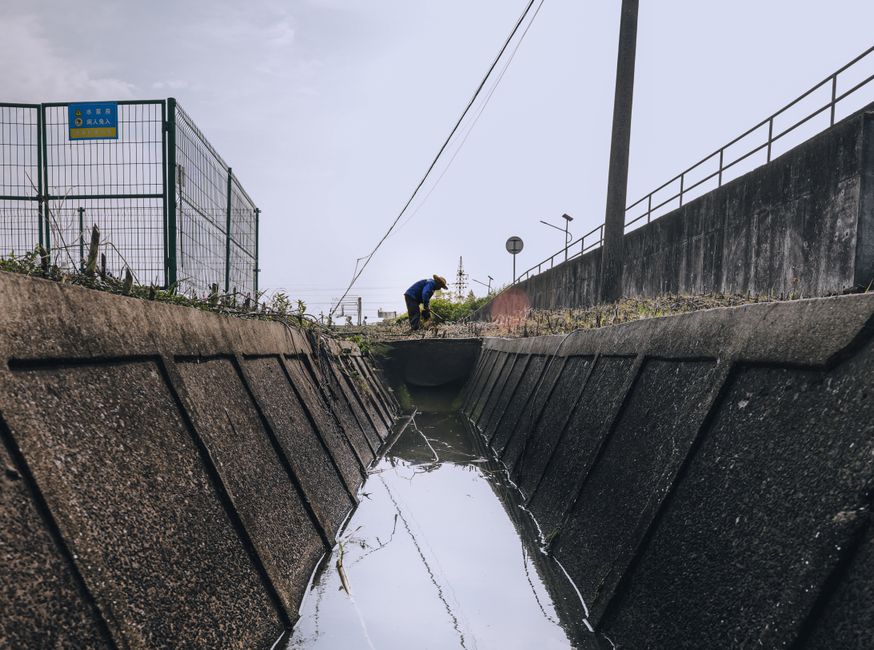
Flood zone status affects how water sits on a property after rain, which in turn affects post depth, footing material, and how much a solid fence panel might block natural drainage. A property in a lower-lying zone often holds water longer than one on higher ground a few blocks away. That difference changes how a contractor plans footings and grading around the fence line.
Homeowners should not guess at their flood zone designation. The City of New Orleans and FEMA both maintain flood maps that show zone status by address, and checking that map before a fence project starts is worth the ten minutes it takes. A fence company can work with whatever the zone turns out to be, but the information needs to come first.
Two houses on the same street can sit in different zones depending on elevation and proximity to a drainage canal. A fence plan built around one property’s conditions will not automatically fit the house next door. That is why a site visit, rather than a phone estimate alone, tends to catch drainage issues before they become a problem for the finished fence.
How Does an Open Picket Design Handle Standing Water Better Than a Solid Panel?
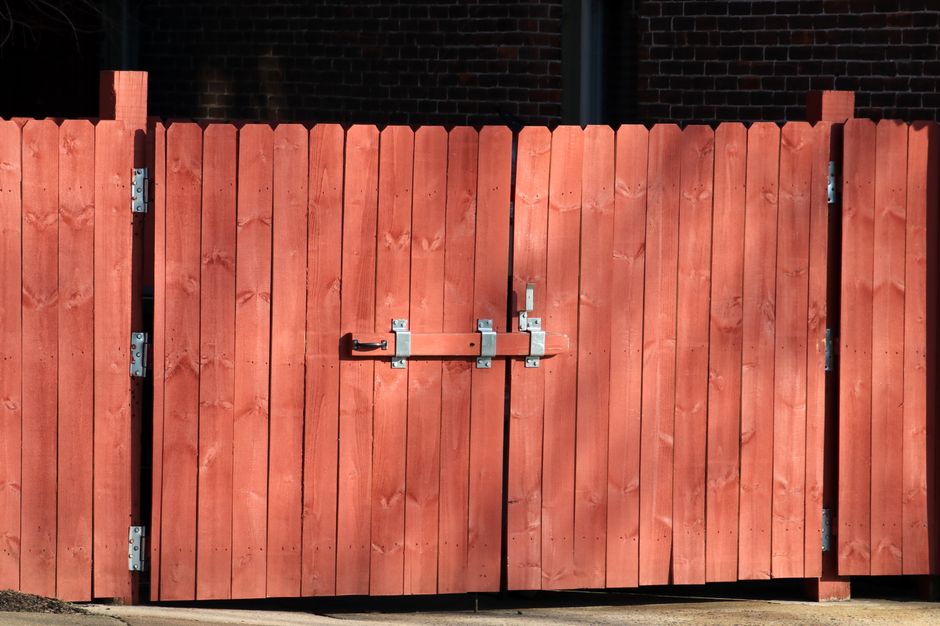
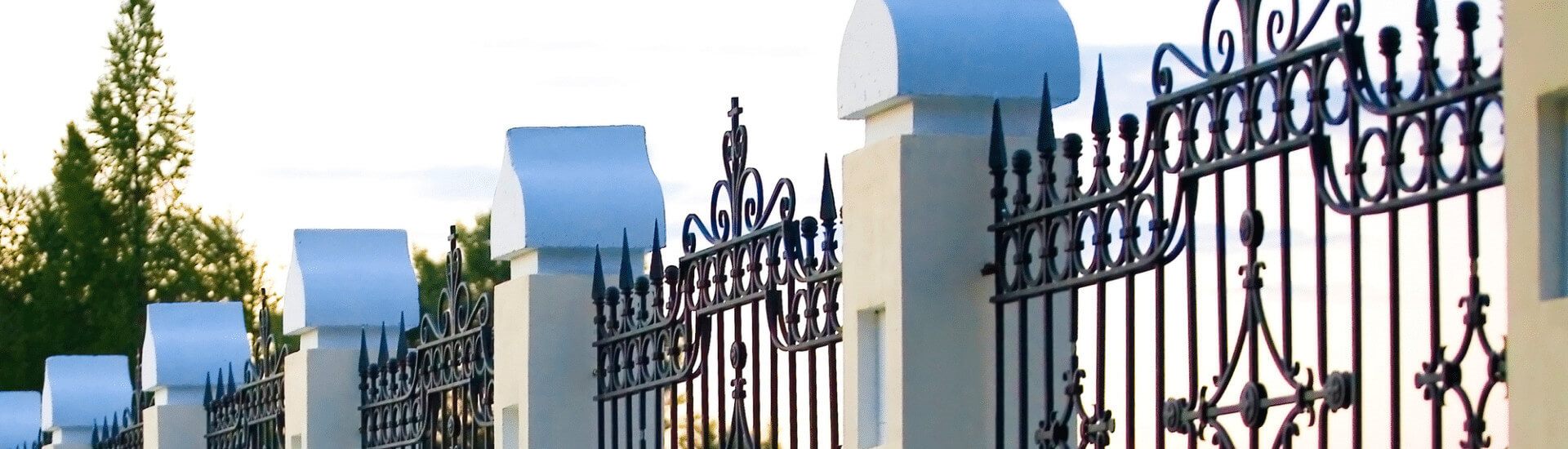
An open picket fence, the style most aluminum and wrought iron products use, lets rainwater pass through the fence line instead of pooling against it. A solid privacy panel acts like a small dam. Water backs up on one side, softens the soil around the base, and can undermine posts over several seasons.
Aluminum and wrought iron fencing are both open designs by nature, spaced pickets rather than a continuous wall. That is part of why these materials hold up well in a city where yards flood periodically. Water keeps moving instead of collecting at the fence line.
Get a free estimate and a team member can walk a property before recommending panel style or height.
What Happens to Fence Posts in a High Water Table?
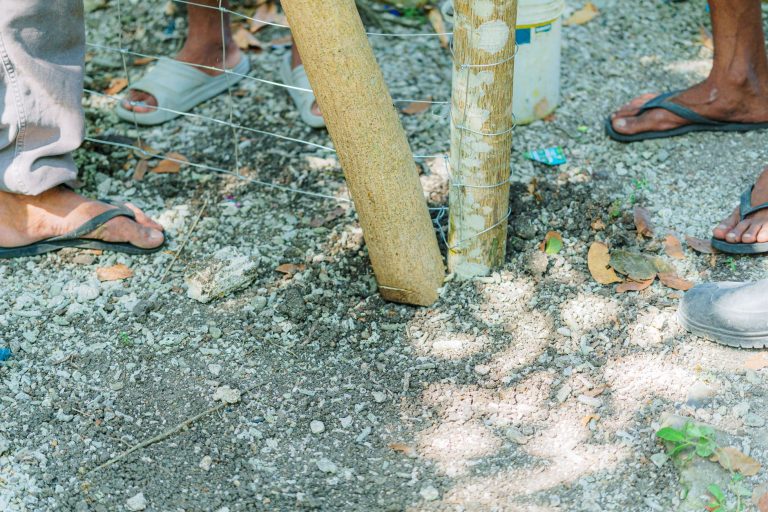
A high water table means the soil around a fence post stays saturated more often, which can loosen a poorly set post over time regardless of the fence material above ground. The post itself is usually the weak point, not the panel.
Proper footing depth and the right concrete mix matter more in these conditions than in a yard with dry, well-drained soil. A post set too shallow, or set without enough footing around it, can shift after repeated wet-dry cycles. This is a site condition issue, not something limited to any one fence brand or style.
Soil that swells when wet and shrinks when dry puts extra strain on a post base over the years. New Orleans clay soil does exactly this, expanding after heavy rain and pulling back as it dries out. A footing sized for that movement holds a post steady far longer than one sized for average conditions elsewhere in the region.
Does Fence Material Choice Change in a Flood-Prone Yard?
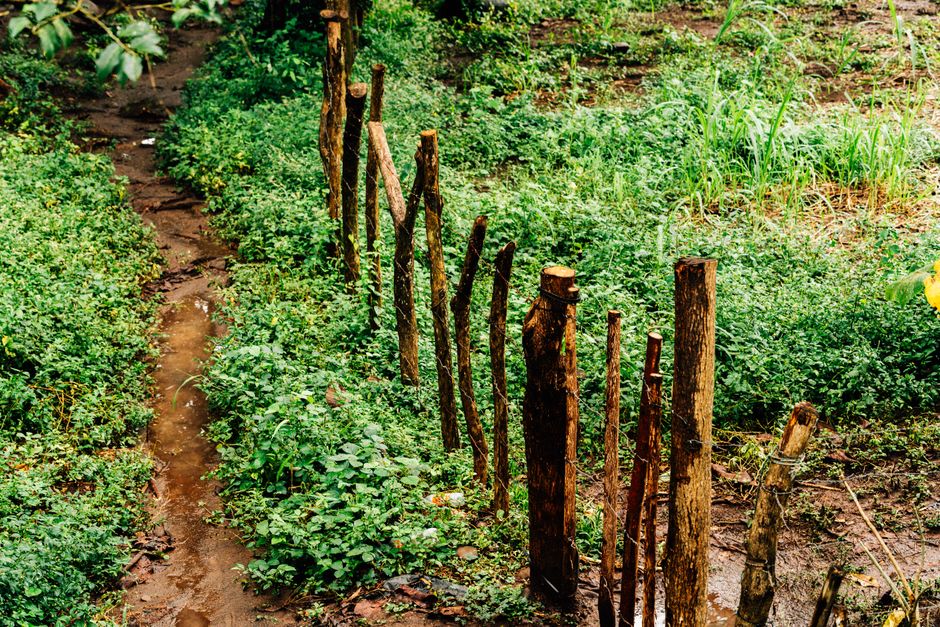
Aluminum and wrought iron both resist water damage far better than wood, since neither material rots, swells, or warps when soil stays wet. That is one reason these two materials dominate fencing in low-lying parts of the city.
Aluminum will not rust the way untreated steel can, and wrought iron, when properly coated and maintained, holds up to repeated soaking better than most alternatives. Neither material needs to be replaced simply because a yard floods once or twice a year. The fence itself is rarely the item damaged in a minor flood event.
Should Grading Be Addressed Before Fence Installation?
Grading and drainage should be assessed before installation, since a fence line placed across a natural water path can make an existing drainage problem worse rather than causing a new one. Fences do not usually create flooding, but they can interact badly with it if placed without thought.
A property with a swale, a low corner, or a drainage easement needs the fence line planned around that feature, not through it. Walking the yard after a rain, before design work starts, shows exactly where water collects and where it needs a clear path.
Some properties share a drainage boundary with a neighbor, where water crosses from one yard into the next before reaching a street drain or canal. A fence built across that boundary without a gap or gate low point can trap debris and slow the flow. Discussing this with a neighbor before installation avoids a dispute later and keeps the whole block draining the way it should.
What Should Homeowners Ask Before Signing a Fence Contract?
Homeowners in flood-prone areas should ask how the contractor plans to set posts, whether the panel style allows water to pass through, and whether the crew has worked in similar soil conditions nearby. These questions separate a contractor who has handled New Orleans ground from one who has not.
A straightforward answer from a contractor beats a vague one. If a company cannot explain its footing approach for wet soil, that is worth noting before signing anything.
Flood zone status, drainage patterns, and soil conditions all shape a smart fence installation in New Orleans, and none of them need to be a mystery. Open picket aluminum and wrought iron fencing, paired with proper post footing, hold up well across the varied ground this city sits on. Big Easy Fence Supply has installed fencing across Greater New Orleans and can walk any property to plan around its specific drainage before work begins.
Call 504-608-7730 or visit the contact page for a free, no-obligation estimate.
Frequently Asked Questions
Does a Fence Need a Permit in a Flood Zone?
Permit requirements depend on the property’s specific zone and the local building department, not on flood status alone. New Orleans homeowners should confirm requirements with the city before installation. Big Easy Fence Supply can discuss general permitting steps during a free estimate visit.
Can Aluminum Fencing Handle Standing Water Around the Base?
Yes. Aluminum will not rust or corrode from occasional standing water, since it does not react with moisture the way untreated steel does. The main concern in wet soil is post footing depth, not the aluminum panel itself, which resists water damage well over time.
How Do I Find My Property’s Flood Zone?
FEMA and the City of New Orleans both publish flood maps searchable by address. These maps show the official flood zone designation and are the most reliable source, more reliable than guessing based on a neighbor’s experience or past storm damage.
Will a Fence Make Yard Flooding Worse?
A properly planned open picket fence should not worsen drainage, since water passes through the gaps between pickets. Problems arise mainly when a fence line blocks a natural swale or drainage path without accounting for it, which is why a pre-installation walk-through matters.
Is Wrought Iron a Good Choice for a Wet Yard?
Wrought iron performs well in wet soil as long as its coating is intact and maintained, since the coating is what prevents rust. Many historic New Orleans properties still use wrought iron successfully today, decades after installation, in similarly humid, flood-prone ground.
What Soil Conditions Affect Post Setting the Most?
Clay soil that retains water and areas with a shallow water table both affect how deep and how wide a post footing needs to be. A contractor familiar with local ground, like the crews at Big Easy Fence Supply, adjusts footing approach based on what a specific yard’s soil actually does.
Plan Your Fence Around New Orleans Water
Flood zone status, drainage patterns, and a high water table all shape which fence choices hold up over time. Open-picket aluminum and wrought iron styles, set with the right footing for the site, handle wet New Orleans ground far better than a design that ignores it.
Big Easy Fence Supply works with homeowners across flood-prone areas of Greater New Orleans to plan a fence around each property’s actual drainage conditions.
Ready to plan around your property’s water conditions? Request a free estimate or call 504-608-7730 to get started.