

What Makes A Fence Right For A Commercial Property?
Commercial fencing needs to balance three things a residential fence usually does not: continuous perimeter coverage, controlled points of entry, and a finish that reads as professional rather than decorative. A retail lot might only need a low decorative line along the sidewalk, while a storage yard behind the building may need a taller, harder-to-climb perimeter. The right approach depends on what is being protected and who is meant to have access.
Height and spacing matter more on commercial sites because the fence is often doing double duty: keeping unauthorized foot traffic out while still meeting sightline expectations near parking and entrances. A fence that is too tall or too solid near a storefront can hurt visibility and make the property feel closed off instead of open for business.
Property type shapes the decision more than any single rule can. A daycare or medical office usually wants a fence that reads as welcoming and low-maintenance. A warehouse or contractor yard usually wants height and a harder-to-climb design first, with appearance a secondary concern. Walking the property line with a fencing contractor before choosing materials helps match the fence to how the business actually operates day to day, not just how the lot looks from the street.
How Does Aluminum Fencing Perform For Business Use?
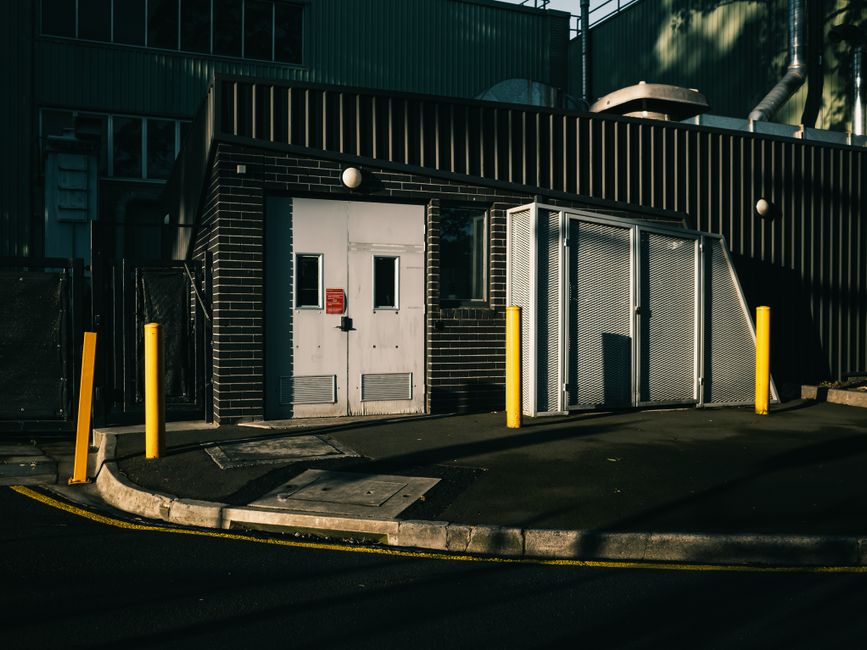
Aluminum fencing from lines like Specrail, AFS, and Bennington is a common commercial choice because it resists rust in New Orleans’ humid climate and comes in residential, commercial, and industrial grades. The heavier commercial and industrial grades are built for the kind of daily use a parking lot perimeter or loading area sees, without the upkeep a painted steel fence would need.
Commercial-grade aluminum panels are also available through Quick Ship for projects on a tighter timeline, which matters when a fence has to go in before a store opening or a lease inspection. Business owners weighing height, finish color, and grade should see the full range on the aluminum fencing page.
When Does Wrought Iron Make Sense For A Business?
Wrought iron fencing suits businesses that want a stronger visual statement at the entrance, such as law offices, medical buildings, or properties near New Orleans’ historic districts where a more traditional look fits the surrounding architecture. It is heavier and more custom than aluminum, which makes it a good fit for a main entrance or a section of fence that visitors see up close.
Because wrought iron is typically a slower, more custom build than aluminum, businesses on a firm deadline often pair a wrought iron entrance section with aluminum along the rest of the perimeter. That combination keeps the visible frontage upscale while covering the rest of the property efficiently. Details on styles and finishes are on the wrought iron fencing page.
What Security Priorities Should Guide The Design?
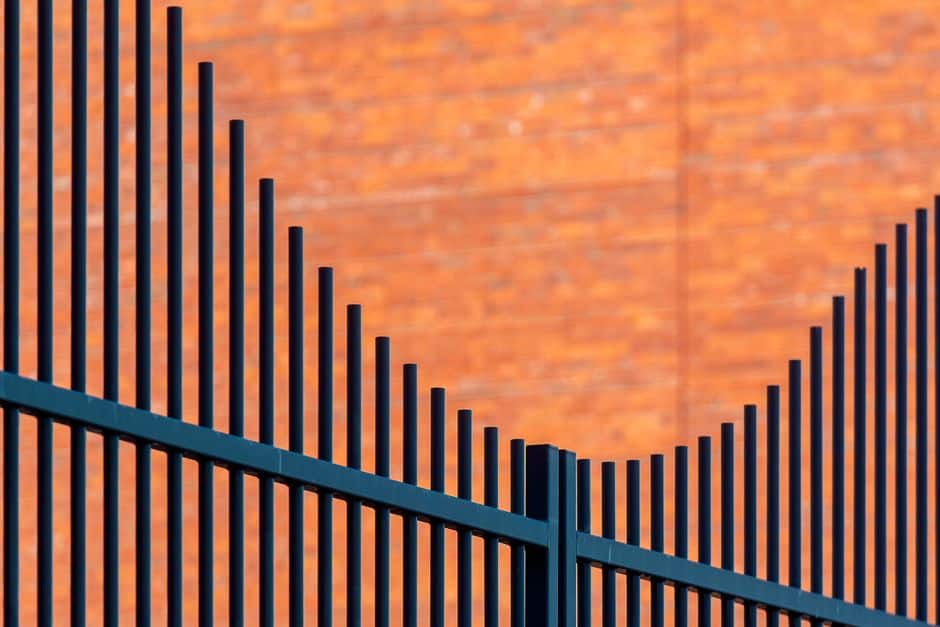
Most commercial fence decisions come down to three questions: how many entry points does the property need, who needs access to each one, and what happens after business hours. A retail lot usually needs one or two open, visible entrances for customers. A storage yard or loading dock may need a single gated point that stays locked overnight.
Automated or electric gate options are worth considering for any property with a dedicated employee or delivery entrance, since they limit who can get onto the lot without staff present. Fence height and panel spacing also play a role. Taller aluminum or wrought iron sections around back-of-house areas discourage climbing without making the customer-facing side of the property feel like a fortress.
Lighting and sightlines around the fence line matter as much as the fence itself. A tall, solid section that blocks a security camera’s view or creates a dark corner along a walkway can work against the goal it was built for. Businesses reviewing their perimeter should think about the fence as one part of a bigger security picture that includes lighting, cameras, and staff visibility, not a standalone fix.
How Should A Business Handle Gate Access And Walkways?
Gates and walkway openings on a commercial property should stay wide and clear enough for normal foot traffic, deliveries, and anyone using a wheelchair or mobility device to move through comfortably. This is a practical design point more than a technical one: a narrow or awkwardly placed gate creates a bottleneck at the exact spot where customers and employees pass through most often.
Placing gates near existing sidewalks and parking aisles, rather than cutting new paths through landscaping, usually keeps installation simpler and keeps the property looking finished once the fence is in. Property managers planning a full site layout should loop in their contractor or property inspector on placement before materials are ordered.
Delivery entrances deserve their own look separate from customer walkways. A gate wide enough for foot traffic is rarely wide enough for a delivery cart or a small truck, so measuring the actual equipment that will pass through is worth doing before a gate width is finalized. Getting this right the first time avoids a costly gate swap once the fence is already installed.
Does A Commercial Fence Project Need A Permit?
Fencing on commercial property in New Orleans can require a permit depending on the location, height, and whether the property sits in a historic or commercial overlay district, similar to residential rules but reviewed separately. Requirements vary by property type and location, so this is not a one-size-fits-all answer.
Rather than guess at commercial permit specifics here, business owners should read the full breakdown on the fence permit guide, which covers when a permit applies and how the New Orleans process generally works. A quick call to the city or to Big Easy Fence Supply before ordering materials can save a redo later.
Frequently Asked Questions
What Fence Height Is Typical For A Commercial Property In New Orleans?
Height depends on the property type and what the fence needs to secure. Storefronts often use lower, more open panels for visibility, while storage yards and loading areas typically use taller aluminum or wrought iron sections for security. A site walkthrough with Big Easy Fence Supply helps match height to the property’s actual layout.
Can Aluminum And Wrought Iron Be Combined On One Property?
Yes. Many commercial properties use wrought iron at a main entrance for a stronger first impression and aluminum along the rest of the perimeter for cost and speed. This split lets a business keep the visible frontage upscale while covering the full property efficiently.
How Long Does A Commercial Fence Installation Take?
Timelines depend on the size of the property, the fence grade selected, and whether any sections use Quick Ship aluminum panels or custom wrought iron. Larger commercial and industrial jobs generally take longer than a typical residential fence. A project estimate will include a specific timeline once the scope is set.
Does A Commercial Fence Need A Locked Gate?
Not every property needs a locked gate, but any area with deliveries, storage, or after-hours access usually benefits from one. Electric gate openers are available for driveway and loading entrances that need controlled access without staff present at all times.
Who Handles Permitting For A Commercial Fence Project?
Permit requirements depend on the property’s zoning and location within New Orleans. The dedicated permit guide on the Big Easy Fence Supply blog explains the general city process, and the team can help business owners confirm what applies to their specific address before ordering materials.
Does Big Easy Fence Supply Install Fencing For Multiple Business Locations?
Big Easy Fence Supply serves commercial clients across the Greater New Orleans area, including retail, office, and storage properties. Businesses managing more than one location can request estimates for each property separately to compare scope and timeline.
Protect Your Business With the Right Fence
A secure, professional-looking fence line does more for a business than keep people out. It sets the tone for anyone pulling into the lot and protects what is behind the building after hours. Big Easy Fence Supply builds commercial aluminum and wrought iron fencing sized for retail, office, and storage properties across Greater New Orleans, backed by the same 24-Hour Fence Replacement Guarantee offered on residential jobs.
Ready to fence a commercial property? Get a free estimate or call 504-608-7730 to talk through the site.